

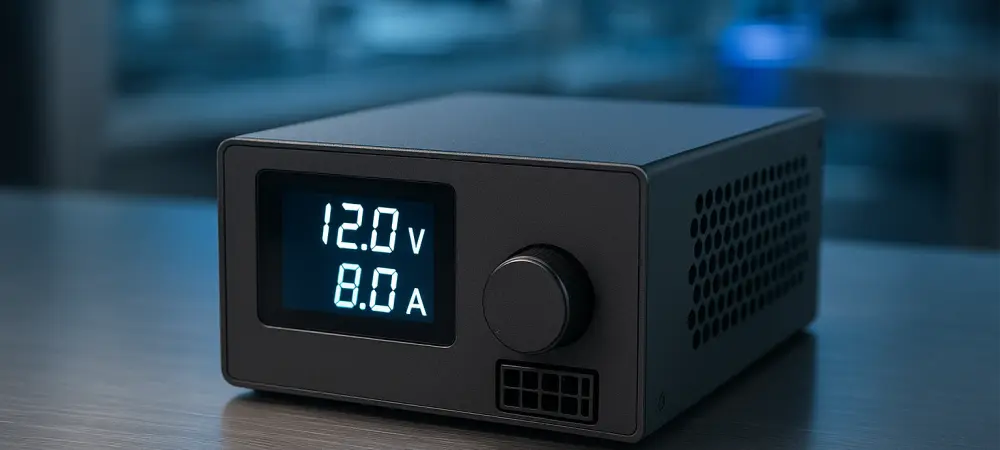
Unlike traditional power supplies that act as black boxes, ATX12VO V3 units report internal temperatures and voltage fluctuations through unified software diagnostic tools. For more than two decades, the sprawling 24-pin ATX connector remained a stubborn relic in a world of shrinking transistors and lightning-fast storage. While nearly every other component within the modern PC underwent radical transformations, the primary method of delivering power remained tethered to a standard established back in 2003. This massive physical footprint has long restricted motherboard designers, forcing them to dedicate substantial PCB real estate to trace routing for voltages that modern silicon rarely uses directly. The move to ATX12VO V3 signals a departure from this archaic architecture, replacing the cumbersome plastic block with a compact 8-pin interface. This transition isn’t just about saving space; it represents a fundamental rethink of how electricity is managed and distributed throughout the desktop.
Structural Modernization: Streamlining Hardware Architecture and Layouts
Modern chassis designs have increasingly moved toward hidden cable management, with the latest motherboard revisions featuring connectors on the reverse side of the PCB to create a cleaner aesthetic. However, the sheer size and rigidity of the legacy 24-pin cable often made these innovations difficult to implement without significant structural compromises to the case. By adopting the ATX12VO V3 standard, manufacturers can finally reclaim the space once occupied by the oversized power port, allowing for optimized airflow paths and more creative cooling solutions. This shift is particularly beneficial for small-form-factor builds, where every millimeter of clearance determines whether a high-end GPU can fit within the enclosure. The reduced pin count simplifies the internal layers of the motherboard, as the complex traces required for multiple voltage rails are no longer necessary, leading to potentially thinner and more resilient circuit boards for mainstream users. Beyond the physical footprint, the relocation of DC-to-DC conversion from the power supply unit directly to the motherboard represents a major architectural milestone. In the legacy system, the power supply was responsible for generating 3.3V and 5V rails, which were then sent across the primary cable. Under the V3 specification, the power supply exclusively delivers 12V, leaving the motherboard to step down the voltage as needed for specific components like SSDs or USB peripherals. This proximity to the point of load allows for much tighter voltage regulation and reduces the ripple effect often seen in long cable runs. Consequently, the power supply unit becomes a simpler, more reliable device with fewer internal components to fail. Engineers can now focus on perfecting a single high-power rail rather than balancing the loads across three disparate voltages, resulting in more stable performance during the heavy transient loads typical of modern high-performance processors.
System Intelligence: Integrating Advanced Telemetry and Awareness
One of the most significant leaps provided by the ATX12VO V3 standard is the introduction of the Power Management Bus, which bridges the gap between the power supply and the operating system. For years, users had to rely on external hardware or vague software approximations to understand how much power their system was consuming or whether the power supply was operating within safe thermal limits. This new digital interface turns the PSU into a smart component that provides real-time data on current draw, input voltage, and fan speeds directly to the motherboard. By treating the power supply as an addressable device on the system bus, the standard allows for sophisticated monitoring tools that can alert users to potential hardware issues long before they lead to a system crash. This level of transparency is vital for professionals who require maximum uptime and for enthusiasts who want to fine-tune their power profiles for maximum efficiency during specialized tasks like rendering.
Furthermore, this bi-directional communication enables the system to implement proactive safety measures that were previously impossible. The ATX12VO V3 protocol includes standardized signals that allow the motherboard to sense the capabilities of the connected power supply instantly. If the system detects a voltage drop or an over-current event, it can communicate with the CPU to instantly throttle clock speeds, preventing an emergency shutdown and protecting sensitive components from damage. This creates a feedback loop where the entire machine operates as a cohesive unit rather than a collection of isolated parts. As software ecosystems evolve to take advantage of this data, we are seeing the emergence of automated tuning utilities that can optimize power delivery based on the specific wear-level and performance characteristics of the individual power supply. This shift moves us away from a one-size-fits-all approach to power management toward a highly personalized and intelligent computing environment.
Efficiency Gains: Managing Dynamic Loads and Power States
Energy efficiency has taken center stage in the current hardware landscape, and the V3 standard offers a direct response to the wastefulness of traditional idle states. Standard ATX power supplies rely on a 5V standby rail that remains active whenever the unit is plugged in, consuming a constant stream of electricity even when the computer is turned off. The ATX12VO V3 standard replaces this with a more efficient 12V standby mode that integrates seamlessly with the primary power rail. By consolidating these functions, the system can enter deep sleep states more effectively, reducing total idle power consumption by as much as thirty percent. This is not just a benefit for environmental sustainability; it translates to lower electricity bills for massive server farms and home users alike. The ability to switch between low-power and high-power modes without the overhead of maintaining multiple active rails represents a massive optimization in how desktop computers manage their energy budget throughout the day. Stability during peak performance is another area where the V3 specification excels, thanks to the improved I_PSU% signal integration. Modern processors and graphics cards are notorious for sudden power spikes that can overwhelm older power supply designs, leading to the dreaded black screen reboots. The V3 standard addresses this by allowing the power supply to communicate its current load percentage to the motherboard in real-time. When the power supply approaches its maximum rated capacity, the motherboard can make micro-adjustments to the power draw of various components to maintain stability without sacrificing overall performance. This intelligent load balancing ensures that the system remains responsive even under extreme stress. Moreover, by simplifying the power delivery path, the V3 standard reduces the heat generated by the power supply itself, as there is no longer a need for bulky transformers to manage lower voltage rails. This leads to quieter operation and a longer lifespan for the power supply’s internal capacitors.
Industry Evolution: Transitioning the Market to New Standards
Despite the clear advantages of the 8-pin standard, the transition requires navigating a complex ecosystem of established vendors and legacy components. The 24-pin connector has been the universal language of PC building for decades, and moving away from it necessitates a synchronized shift among motherboard manufacturers, case designers, and power supply brands. We are currently seeing a tiered rollout where high-end enthusiast boards and pre-built systems from major OEMs are the first to fully embrace the ATX12VO V3 architecture. By mid-2026, the market reached a tipping point where the majority of new enthusiast-grade power supplies adopted the 8-pin standard by default. This phase is crucial for establishing a supply chain of compatible components and ensuring that the wider market eventually has access to affordable 12V-only options. While some DIY builders might initially hesitate to leave behind their existing power supplies, the benefits of cleaner builds are proving to be powerful incentives.
Looking back at the initial adoption phases, the shift to ATX12VO V3 successfully redefined the relationship between hardware components and power management. Builders prioritized compatible hardware ecosystems that supported the PMBus protocol for enhanced system monitoring, which stabilized the market. Manufacturers and system integrators focused on streamlining their inventory, effectively setting a new baseline for what users expected from a high-performance machine. The industry successfully educated consumers about the long-term benefits of telemetry, which helped overcome the initial resistance to changing the physical connector standard. Once these ecosystems matured, developers integrated deeper power-save features into firmware and operating systems. Strategic stakeholders invested in standardized software tools to ensure that telemetry data remained accessible across different platforms. This commitment to transparency and efficiency ensured that the 24-pin connector remained a legacy curiosity as the focus shifted toward granular control.