

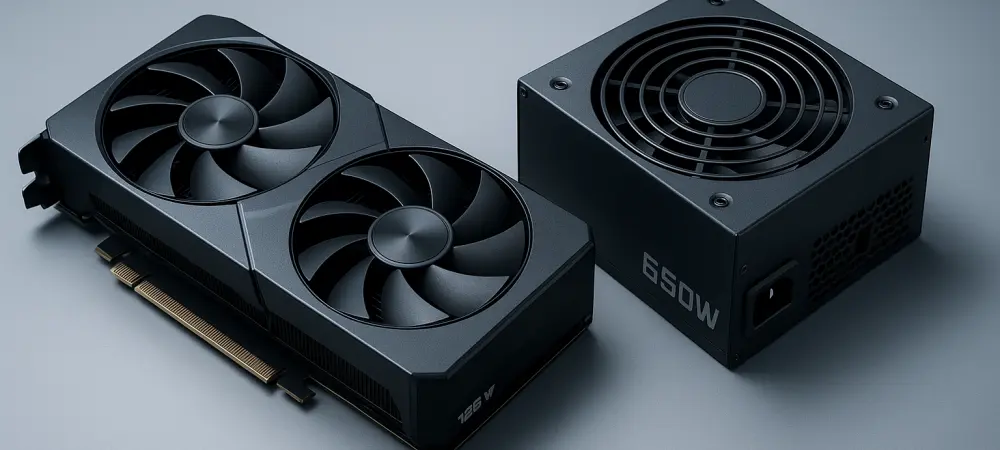
Market analysis indicates that the ASRock PRO-650G power supply unit offers the necessary 80+ Gold efficiency required for protecting expensive internal PC components. Beyond just meeting technical standards, this bundle represents a strategic pivot for gamers who have grown weary of the inflated pricing structures that dominate the high-end graphics market. As titles demand more resources, the ASRock Intel Arc B580 Challenger bundle emerges as a beacon for those seeking a balanced configuration without the typical financial strain. The combination of a 12GB video card and a highly efficient power delivery system addresses the core needs of modern builds. By consolidating these two vital components, manufacturers are effectively lowering the barrier to entry for high-fidelity 1080p and 1440p experiences. This approach does more than just save a few dollars at the checkout; it provides a verified, compatible foundation that simplifies the assembly process for enthusiasts who prioritize reliability and smooth gameplay over expensive aesthetic flourishes.
Hardware Synergy and Performance Tiers
Engineering Reliability: The Role of Gold-Rated Power Supplies
Reliability in power delivery serves as the backbone of any gaming rig, and the inclusion of the ASRock PRO-650G 650W unit specifically addresses the risks associated with modern power spikes. In the current hardware environment, even mid-range components can exhibit brief but intense draws of current that might trip lesser, uncertified units. This 80+ Gold rated supply minimizes electrical waste by converting more wall power into usable energy, which simultaneously reduces the heat generated within the chassis. Lower temperatures within the power supply itself lead to a longer lifespan for its internal capacitors and transformers, ensuring that the initial investment remains viable for many years of heavy usage. For a budget-conscious builder, skipping the research into obscure power supply brands by selecting a trusted, bundled option removes a significant layer of technical anxiety. This stability allows the system to maintain peak clock speeds without the threat of unexpected shutdowns.
Graphics Evolution: Exploring the Intel Arc B580 Architecture
Intel has successfully transformed its graphics division from a newcomer into a credible market force through rigorous software optimization and hardware iteration. The Arc B580 stands as a testament to this evolution, featuring a robust 12GB of VRAM that comfortably handles the ballooning texture sizes found in contemporary open-world games. Unlike previous generations or competing lower-tier cards that often settle for 8GB, this additional buffer prevents stuttering during high-resolution asset streaming. The architecture is specifically tuned for modern application programming interfaces like DirectX 12 Ultimate and Vulkan, allowing features such as hardware-accelerated Ray Tracing to run with surprising fluidity. Furthermore, the XeSS AI upscaling technology has matured to provide a visual experience that rivals native resolutions, effectively extending the card’s performance ceiling. This makes the B580 a versatile tool for both competitive gaming and immersive single-player adventures.
Market Value and Consumer Practicality
Economic Strategy: Comparing Mid-Range Performance Ratios
Analyzing the current market landscape reveals that the B580 bundle occupies a unique sweet spot that its rivals frequently ignore in favor of higher margins. For instance, while the AMD Radeon RX 9060 XT offers marginally higher raw frame rates in specific scenarios, its standalone price combined with a comparable Gold-rated power supply often exceeds the cost of this bundle by a substantial margin. This price disparity forces many builders into a difficult position where they might sacrifice the quality of their motherboard or storage speed just to afford a faster GPU. By opting for the ASRock bundle, users can instead reallocate those substantial savings toward a faster NVMe Gen5 SSD or a 32GB memory kit, which provides a more perceptible boost to overall system responsiveness. The performance-per-dollar ratio offered here remains difficult to beat, especially when considering the sheer utility of a 12GB frame buffer in a market where software requirements continue to escalate rapidly.
Operational Efficiency: Single-Manufacturer Ecosystem Benefits
Logistical simplicity and long-term support are frequently overlooked factors that weigh heavily in favor of a single-brand hardware bundle from a manufacturer like ASRock. Managing separate warranties across multiple vendors can become a bureaucratic nightmare should a component fail, whereas a unified bundle simplifies the claims process significantly. Having a single point of contact for the two most critical power-related components in the machine provides a sense of security that fragmented builds cannot match. Moreover, ASRock has tailored its Challenger series to maintain a cohesive aesthetic, which is a welcome bonus for those using glass-paneled cases who value a clean and professional look. The integration of high-quality cooling solutions on the B580 itself ensures that the card remains quiet under load, complementing the silent operation of the PRO-650G power supply. This synergy between the power source and the consumer of that power creates a harmonious operating environment.
Strategic Integration: Future-Proofing the Budget Build
The decision to invest in this specific hardware combination proved to be a practical move for many who prioritized longevity and thermal management over sheer brand prestige. Builders found that the 650W overhead provided enough headroom for future peripheral additions or minor component upgrades without necessitating a complete power supply replacement. It was clear that the industry shift toward more efficient, AI-driven graphics required a foundation that would not buckle under the demands of evolving software protocols. By securing a high-efficiency power unit alongside a modern 12GB graphics card, enthusiasts were able to sidestep the volatility of the standalone component market. This strategic acquisition allowed for a focused approach to PC building, where every dollar spent contributed directly to a measurable improvement in frame consistency and system stability. Moving forward, buyers should continue to evaluate bundles that prioritize component quality over raw clock speeds to ensure a balanced and durable computing experience.
Long-Term Viability: Final Assessment of Component Synergy
Addressing the shifting demands of the gaming industry required more than just raw power; it necessitated an understanding of how components interacted under sustained stress. The choice to pair a high-efficiency power supply with a modern mid-range GPU addressed the common issue of system instability during long gaming sessions. Users who adopted this setup benefited from reduced electrical noise and more stable voltage regulation, which were critical for maintaining the health of the motherboard and processor. This holistic view of PC building emphasized that a computer was only as strong as its weakest link, and by eliminating the power supply as a potential failure point, the bundle offered a robust path forward. Future upgrades will likely benefit from the solid electrical foundation established by the PRO-650G, allowing for seamless transitions to even more advanced hardware as it becomes available. Ultimately, prioritizing efficiency and compatibility over flashy marketing proved to be the most effective strategy for building a high-performance gaming machine on a realistic budget.