

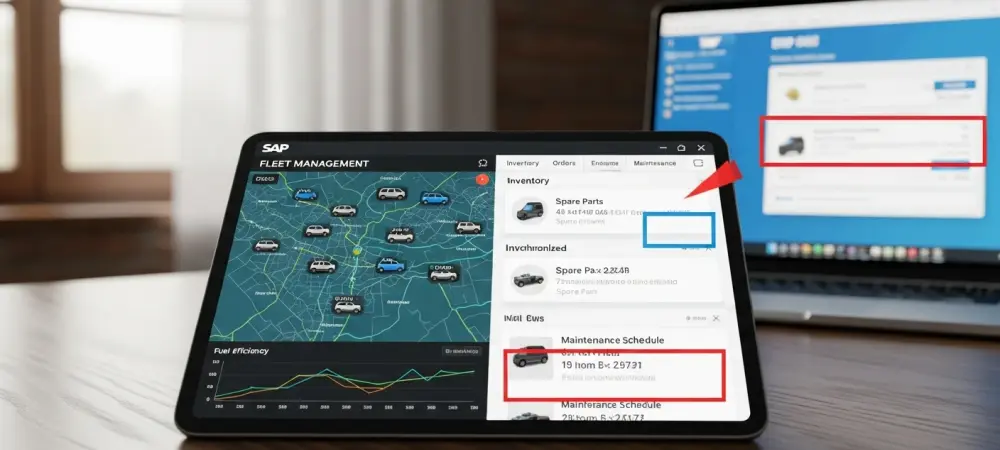
Modern logistical operations frequently lose substantial capital because their vehicle tracking systems operate in complete isolation from the core financial records that govern their corporate profitability and long-term sustainability. When a company manages a multi-million dollar fleet through disconnected spreadsheets and basic GPS trackers, it creates a dangerous “visibility gap” where dispatchers see the vehicles but the finance department only sees the expenses weeks after they occur. This structural fragmentation often leads to missed opportunities and operational leakage that can quietly erode a firm’s competitive standing in an increasingly unforgiving global market. Bridging this divide through ERP integration is no longer a technical luxury but a fundamental shift that transforms the fleet from a backend cost center into a strategic engine for corporate growth. By embedding fleet telematics into a robust system like Microsoft Dynamics 365, organizations move toward a reality where physical movements are instantly mirrored in financial ledgers. This synthesis provides the foundation for real-time decision-making, allowing leaders to respond to shifting market demands with a level of precision that was previously impossible under the old model of siloed data management.
The High Cost of the Data Silo in Modern Logistics
The persistence of operational silos represents one of the most significant hurdles to achieving true efficiency in the logistics sector. When fleet data remains trapped within standalone software, the information remains static, serving only the immediate needs of the dispatch team without informing the broader enterprise strategy. This isolation results in a lack of transparency regarding the true cost of each delivery, as fuel consumption, driver wages, and maintenance costs are rarely correlated with specific customer accounts or individual product lines in real-time.
Furthermore, these silos encourage a reactive rather than a proactive management style, as decision-makers are forced to rely on historical data that may already be obsolete by the time it reaches the executive dashboard. In an environment where fuel prices fluctuate and supply chain disruptions are common, waiting for monthly reports to identify inefficiencies is a recipe for stagnation. The absence of a unified data stream means that companies often miss the warning signs of rising “empty miles” or excessive idling, both of which represent direct hits to the bottom line that could be mitigated through better integration.
Why Unified Systems Define Today’s Competitive Edge
The pressure to modernize stems from a broader market shift where customers now expect total transparency and lightning-fast delivery cycles across all sectors. Organizations in construction, healthcare, and third-party logistics are finding that operational silos lead to unmonitored idling and reactive maintenance, which significantly diminishes profit margins. By anchoring fleet operations within Microsoft Dynamics 365, companies establish a “single source of truth” that enables them to meet these heightened expectations while maintaining rigorous control over their internal expenditures and asset utilization.
Maintaining a competitive edge in 2026 requires more than just moving goods from point A to point B; it demands the ability to pivot operations based on live intelligence. When fleet movements are synchronized with inventory levels and sales orders, a company can optimize its response to urgent requests without compromising its existing delivery schedule. This agility is what separates market leaders from those who are struggling to keep up with the demands of a high-velocity economy where information is just as valuable as the physical inventory being transported.
Strategic Pillars of Fleet and ERP Synthesis
The integration of telematics directly into the Dynamics 365 Finance module translates every mile driven and gallon of fuel consumed into immediate financial insights. This connection allows stakeholders to calculate the genuine “total cost of ownership” for every asset in the fleet, providing a granular view of profitability that extends down to specific routes or geographic regions. Instead of broad estimates, leadership can analyze data-driven reports to identify which clients are generating the most value and which ones might be draining resources through inefficient delivery requirements. Dynamic route optimization and load utilization also become a reality when real-time order data from the ERP is combined with live traffic and GPS feeds. Rather than relying on historical guesswork, managers can maximize vehicle capacity and reduce the number of trips required for a given set of deliveries. This direct synchronization ensures that delivery cycles are shortened and variable costs, such as driver labor and fuel, are kept at their absolute minimum, directly contributing to a healthier balance sheet and a more sustainable operational footprint. Shifting from reactive to predictive asset maintenance is another critical advantage of a unified system. Standalone environments often rely on calendar-based schedules, which can lead to unnecessary servicing or, conversely, unexpected breakdowns that stall the entire supply chain. By feeding engine fault codes and mileage thresholds directly into the Dynamics 365 maintenance module, the system can trigger automated work orders and check spare parts inventory in advance. This ensures vehicles stay on the road, avoiding the cascading costs of emergency repairs and the reputational damage caused by missed delivery penalties.
Strengthening regulatory compliance and traceability remains a non-negotiable priority for industries dealing with perishables or hazardous materials. A unified system centralizes driver certifications, vehicle logs, and maintenance records, making the auditing process significantly more efficient and less prone to human error. Furthermore, it enables end-to-end traceability; in the event of a product recall, the ERP can instantly identify the exact vehicle, the driver, and even the environmental conditions like temperature that were present during the transport of a specific batch of goods.
Driving Business Intelligence through Integrated Data
The true power of Microsoft Dynamics 365 lies in its ability to leverage the Microsoft Dataverse and Power BI to turn raw telematics into a sophisticated corporate intelligence engine. When fleet metrics are no longer isolated, they can be cross-referenced with sales trends, inventory turnover rates, and seasonal fluctuations to provide a comprehensive view of the enterprise. This allows for high-level pivots, such as making data-driven decisions on whether to lease or purchase new assets based on the performance history of existing models across the entire organization.
Expert analysts suggest that this transformation of telematics into actionable strategy is the primary differentiator for modern logistics firms. By using centralized dashboards, executives can monitor key performance indicators such as fuel efficiency per ton-mile or on-time delivery rates in a single unified view. This level of oversight empowers the organization to implement continuous improvement programs that are backed by hard data, ensuring that every strategic adjustment is designed to maximize ROI and enhance the overall resilience of the supply chain.
A Framework for Successful Integration Implementation
To improve cash flow and reduce administrative overhead, organizations should focus on automating the quote-to-cash cycle by linking proof-of-delivery data directly to the invoicing engine. This automation ensures that detention fees, fuel surcharges, and after-hours premiums are calculated accurately based on real-world events and billed immediately upon the completion of a trip. By reducing the time between service delivery and invoice generation, businesses can significantly lower their Days Sales Outstanding and improve their overall liquidity.
Enhancing the customer experience through a strategy of radical transparency is equally vital. By exposing live shipment statuses and accurate estimated times of arrival to customer portals, businesses provide a level of service that fosters long-term brand loyalty. Instead of requiring customers to call for updates, the integrated system provides proactive notifications. If a delay occurs due to unforeseen traffic or weather, the system can automatically trigger an alert, managing expectations and allowing the customer to adjust their own operations accordingly.
Developing a holistic transformation roadmap is the final step in ensuring that the integration provides lasting value. It was critical to avoid the pitfall of treating this process as a simple technical connection between two software platforms. A successful rollout required a structured approach that addressed data quality, staff training, and user adoption. By partnering with specialized consultants, organizations ensured that the technical bridge between telematics and financial modules supported daily workflows rather than hindering them, creating a seamless environment where technology and human expertise worked in tandem. The integration of fleet management with Microsoft Dynamics 365 was ultimately recognized as a vital step for any organization seeking to maintain a competitive posture. By harmonizing disparate data streams, companies successfully converted their logistics operations from a murky expense into a transparent and highly optimized component of their enterprise strategy. The transition required significant effort, but the resulting gains in visibility, efficiency, and customer satisfaction proved that a unified digital infrastructure was the only sustainable path forward. As market conditions continued to evolve, those who had invested in these integrated systems found themselves better equipped to handle volatility and capitalize on new growth opportunities. The shift toward a data-driven fleet management model provided a clear blueprint for how modern enterprises could thrive by embracing the full potential of their digital assets. This comprehensive approach allowed businesses to move beyond simple tracking and toward a future where every logistical move was calculated, costed, and controlled with absolute precision. Moving forward, the focus shifted toward further refining these connections and exploring how artificial intelligence could further enhance the predictive capabilities of the unified ERP environment.