

Setting the Stage for a Digital Powerhouse
Imagine a world where the backbone of artificial intelligence, cloud computing, and global connectivity hinges on sprawling facilities that consume as much energy as entire nations, and you’ll understand the critical role of the data center industry today. With global electricity demand projected to soar to nearly 1,600 terawatt-hours annually by 2035, representing a staggering 4.4% of worldwide power consumption, the stakes are incredibly high. Spain, with its strategic location and renewable energy potential, stands at the forefront of this transformation. This market analysis dives into the groundbreaking partnership between Iberdrola, a titan in Spain’s energy sector, and Echelon Data Centres, supported by U.S.-based Starwood Capital Group, to explore how their collaboration is shaping the future of digital infrastructure.
The purpose of this analysis is to unpack the trends driving the data center surge, particularly in Spain, and to assess the implications of integrating sustainable energy solutions into this energy-intensive industry. As digitalization accelerates across economies, understanding the intersection of technology and energy becomes paramount for investors, policymakers, and industry leaders. The focus here is on how this alliance positions Spain as a key player in the global tech landscape while addressing the pressing challenge of balancing immense power needs with environmental responsibility.
This examination offers a lens into market dynamics, from current investment patterns to long-term forecasts, shedding light on Spain’s unique advantages and the broader implications for the sector. By dissecting the specifics of this joint venture, the analysis aims to provide actionable insights for stakeholders looking to navigate the evolving digital infrastructure market. The stage is set for a deep dive into a partnership that could redefine industry standards.
Market Dynamics and Strategic Insights
Explosive Growth in Data Center Demand
The data center market is witnessing unprecedented expansion, fueled by the rapid adoption of data-intensive technologies like artificial intelligence and cloud services. Projections indicate that global demand for data processing capacity will continue to escalate, with electricity consumption expected to reach monumental levels over the next decade. In Spain, local industry groups predict that demand for data centers will nearly double by 2028, reflecting a broader trend of digitalization across European markets. This growth trajectory underscores the urgency for scalable infrastructure to support everything from enterprise solutions to consumer applications.
A critical driver of this surge is the computational power required for AI algorithms, which process vast datasets in real time. This has transformed data centers from peripheral facilities into essential pillars of the digital economy, attracting billions in investments worldwide. However, the sector faces scrutiny for its historical reliance on fossil fuels, which has often clashed with global sustainability goals. The shift toward cleaner energy sources is no longer optional but a market imperative, as tech giants push for carbon-neutral operations, creating a ripple effect across the industry.
Spain’s market is particularly ripe for investment due to its strategic positioning as a gateway to European connectivity hubs. The country’s robust digital growth is complemented by favorable conditions such as accessible land and proximity to key markets. Yet, challenges like regulatory constraints and infrastructure integration persist, requiring innovative approaches to meet rising demand while maintaining operational efficiency. This sets the context for strategic partnerships that can address both capacity and sustainability concerns.
Iberdrola and Echelon: A Game-Changing Alliance
At the core of Spain’s data center evolution is the collaboration between Iberdrola and Echelon Data Centres, focusing on a flagship project near Madrid named Madrid Sur. Spanning 160,000 square meters, this facility is poised to commence operations within the next few years, boasting a data processing capacity of 144 MW supported by a 230 MW power connection. Echelon holds an 80% stake in the venture, while Iberdrola’s subsidiary, CPD4Green, owns 20%, with Iberdrola tasked with securing electricity supply and identifying grid-connected land for development.
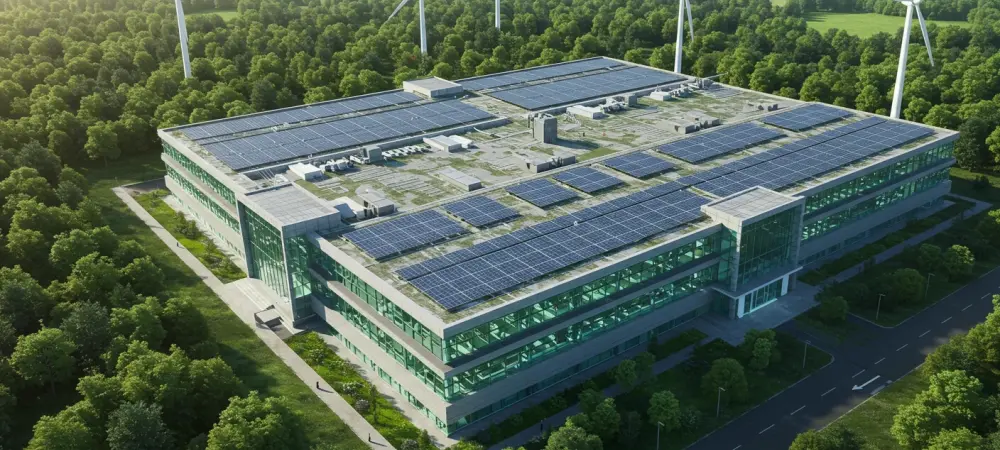
This partnership exemplifies a strategic alignment between energy expertise and digital infrastructure needs. Iberdrola’s significant role in supplying over 11 terawatt-hours of electricity to data center operators globally positions it as a vital player in ensuring reliability for such energy-hungry facilities. The Madrid Sur project is not just about scale but also innovation, as it integrates an on-site photovoltaic plant expected to generate one terawatt-hour of renewable energy annually, addressing a key market demand for sustainable power solutions.
However, the venture is not without hurdles, including high upfront capital costs and the complexities of aligning with existing grid systems. Despite these challenges, the benefits are substantial, with the project meeting the surging need for data processing in a pivotal European market. This collaboration highlights a growing trend where energy companies are becoming indispensable partners in the tech sector, potentially setting a benchmark for similar initiatives across other regions.
Renewable Energy as a Market Differentiator
Sustainability is rapidly becoming a defining factor in the data center industry, with forecasts suggesting that over half of new power generation capacity will come from renewables by the mid-2030s. The Madrid Sur project’s commitment to renewable energy through its solar plant reflects this shift, offering a competitive edge in a market increasingly driven by environmental considerations. This move aligns with the priorities of major tech firms seeking clean energy sources to power their operations, creating a demand pull for green infrastructure.
The integration of renewables presents both opportunities and risks for market players. On one hand, it promises long-term cost savings and compliance with tightening regulatory standards around carbon emissions. On the other hand, the intermittency of solar power necessitates robust backup systems, adding layers of complexity to project planning. Nevertheless, pioneering hybrid energy models in projects like Madrid Sur could redefine industry norms, positioning Spain as a leader in sustainable digital infrastructure and attracting further investment.
Beyond immediate project impacts, this focus on renewables signals a broader market transformation where energy efficiency is as critical as processing capacity. Investors are taking note, with capital flowing into regions that offer renewable energy advantages alongside connectivity. Spain’s abundant solar potential and policy support for green initiatives enhance its appeal, though scaling such solutions across diverse geographies remains a key challenge for the industry to address in the coming years.
Spain’s Competitive Edge in the Global Arena
Spain’s emergence as a data center hub is underpinned by unique market advantages, including vast available land, access to renewable energy, and strong connectivity to European networks. These factors make the country an attractive destination for tech investments, with regional benefits like a favorable climate for solar power adding to its allure. Industry projections indicate a near doubling of demand within Spain by 2028, positioning it as a critical node in the continent’s digital ecosystem.
Regional disparities also play a role, as rural areas near grid connections offer cost-effective alternatives to urban centers, challenging the misconception that data centers are exclusively city-based. This dynamic opens up new investment frontiers, with projects like Madrid Sur leveraging such locations for scalability. However, regulatory hurdles and land use conflicts pose potential roadblocks, requiring careful navigation by stakeholders to ensure sustained growth in this sector.
Globally, Spain’s model could inspire other markets to capitalize on natural and infrastructural strengths. The country’s ability to blend renewable energy with digital infrastructure offers a blueprint for balancing technological advancement with environmental goals. As competition intensifies among regions vying for tech investments, Spain’s strategic positioning and proactive partnerships provide a compelling case study for market analysts tracking the global data center landscape.
Reflecting on Market Implications and Strategic Pathways
Looking back, the analysis of the data center market in Spain through the lens of the Iberdrola and Echelon partnership reveals a sector at the cusp of transformation, driven by technological imperatives and sustainability demands. The Madrid Sur project stands out as a testament to how energy and technology sectors converge to address escalating digital needs while prioritizing renewable solutions. Spain’s ascent as a tech hub underscores its potential to influence global industry trends, supported by favorable market conditions and innovative collaborations.
For stakeholders, the insights from this partnership point to actionable strategies, such as investing in regions with renewable energy capabilities and fostering cross-sector alliances to mitigate energy challenges. Companies are encouraged to integrate green technologies into their operational frameworks, reducing costs over time and aligning with market expectations for sustainability. Policymakers, meanwhile, have an opportunity to craft incentives that support the growth of eco-friendly data centers, ensuring long-term economic and environmental benefits.
Moving forward, the industry is poised to benefit from continued exploration of AI-driven energy optimization and advanced cooling technologies to further enhance efficiency. The lessons from Spain’s market dynamics suggest that adaptability and foresight in energy sourcing will be critical for maintaining a competitive advantage. As the global data center landscape evolves, the strategic pathways illuminated by this collaboration offer a roadmap for balancing innovation with responsibility, guiding future investments toward a more sustainable digital era.