

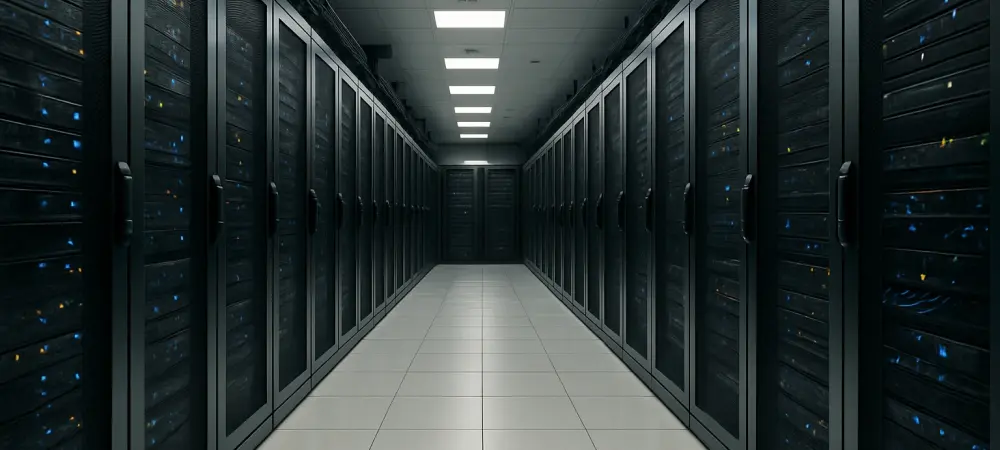
In the heart of today’s tech-driven economy, businesses are grappling with a silent budget killer: skyrocketing data center rental costs. For many, colocation facilities—shared spaces where companies house their IT infrastructure—promise savings over building private data centers, yet with expenses sometimes swallowing up to 30% of IT budgets, as reported by industry analysts, the reality often stings. How can organizations tame these costs without compromising critical operations? This question drives a deeper exploration into slashing expenses with smart, actionable strategies.
The Hidden Weight of Colocation Expenses
Colocation costs can sneak up on even the most budget-conscious companies. These expenses often include not just rack space but also power, cooling, and connectivity, which can vary widely based on location and provider. A recent study by Uptime Institute revealed that some businesses overspend by as much as 25% due to poorly optimized rental agreements. This financial strain forces a hard look at where the money goes and why it matters so much in an era of relentless digital growth.
Understanding the stakes is crucial. As more organizations pivot toward cloud solutions and edge computing, reliance on colocation facilities intensifies. The pressure to maintain uptime and scalability while keeping costs in check creates a balancing act. Without strategic intervention, these rental fees can erode funds needed for innovation, making cost optimization not just a goal but a necessity for staying competitive.
Why Colocation Costs Are Skyrocketing
The digital landscape of 2025 demands more from data centers than ever before. With global data creation expected to grow by 20% annually through 2027, according to IDC forecasts, the hunger for storage and processing power pushes rental rates upward. Colocation providers, facing their own rising costs for energy and infrastructure, often pass these burdens onto clients, especially in high-demand regions where space is at a premium.
Hidden fees further complicate the picture. Many contracts bundle in extras like maintenance or premium support, inflating bills for services that may not even be needed. For small to mid-sized enterprises, this can mean the difference between a manageable expense and a budget-breaking line item. Recognizing these trends underscores the urgency of finding smarter ways to navigate the colocation market.
Breaking Down the Cost Culprits
Several factors drive the price of renting data center space, starting with geography. Rates in hubs like Northern Virginia, a colocation hotspot, can be up to ten times lower than in remote areas due to economies of scale, as noted in a report by CBRE. Power costs, often billed per kilowatt, also play a huge role, varying based on local energy prices and facility efficiency.
Contract structures add another layer of complexity. Short-term leases might offer flexibility but come with higher rates, while bundled services can pad the bottom line unnecessarily. A case study of a mid-sized tech firm in California showed that switching to a facility with transparent pricing saved them 15% annually. These examples highlight how dissecting cost drivers is the first step toward meaningful savings.
Expert Insights on Taming Expenses
Industry voices offer clarity on navigating this costly terrain. Technology analyst Christopher Tozzi points out, “Strategic planning in colocation agreements can cut expenses by up to 20% if businesses prioritize location and contract terms.” His perspective aligns with data showing regional rate disparities, where choosing the right spot can yield massive returns.
Real-world stories reinforce this advice. A retail company based in Texas reported slashing rental costs by 18% after relocating servers to a denser data center hub and renegotiating terms. Such anecdotes, paired with expert input, emphasize that cost reduction isn’t a pipe dream but a tangible outcome of informed decision-making. The consensus is clear: proactive steps are essential to avoid being outpaced by rising fees.
Six Proven Strategies to Slash Rental Costs
Practical solutions can transform the way businesses approach colocation expenses. Here are six targeted tips to drive down costs while preserving performance and reliability, each tailored to address specific pain points in rental agreements.
Start by selecting a low-cost region for data center placement. Areas like Northern Virginia benefit from economies of scale, offering rates far below those in less dense locales. This move alone could save thousands annually, though proximity to end-users must be weighed to avoid latency issues.
Next, consider consolidating servers to minimize the physical space rented. Reducing the number of deployed units cuts down on rack fees and power usage, tackling inefficiencies head-on. While this requires upfront planning to avoid performance dips, the long-term savings can be substantial.
Another approach is consolidating into a single data center facility. By migrating workloads from multiple locations, bulk pricing discounts often become available. Network solutions like interconnection can offset potential latency, making this a cost-effective choice for many.
Negotiation also holds untapped potential. Providers may lower rates for clients deploying significant rack space—those with dozens of units have particular leverage. Approaching discussions with clear data on usage needs can unlock discounts that aren’t advertised.
Avoiding unnecessary services is equally critical. Many contracts include extras like setup assistance or enhanced monitoring, which inflate costs if not needed. Shopping for providers with unbundled options ensures payment only for essentials, trimming excess from the bill.
Finally, committing to long-term contracts can secure lower rates. While this sacrifices flexibility, it’s ideal for businesses with stable needs. Locking in a multi-year deal often results in significant per-unit savings, provided future scalability is accounted for in planning.
Reflecting on a Path to Savings
Looking back, the journey to curb data center rental costs revealed a landscape fraught with challenges yet ripe with opportunity. Businesses that took bold steps—whether by relocating to cost-effective hubs or streamlining their infrastructure—often reaped rewards that bolstered their financial health. The strategies employed proved that proactive management was key to turning a burden into a benefit.
As organizations moved forward, the focus shifted to continuous evaluation. Regularly revisiting rental agreements and staying abreast of market trends became vital practices. By blending these six tips into tailored plans, companies positioned themselves to not only save but thrive in a digital world where every dollar counted.