

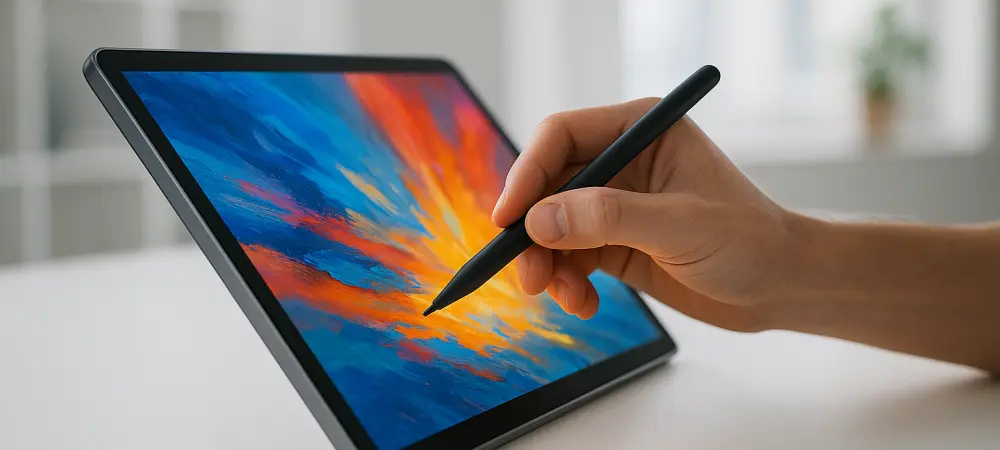
The convergence of ultra-portable hardware and high-performance silicon has fundamentally shifted the expectations for mobile workstations in the current digital landscape. The Huawei MatePad Air 2024 serves as a benchmark for this transition, prioritizing a thin profile without sacrificing the processing power required for modern professional tasks. By moving from a global debut to a specialized domestic launch, the manufacturer demonstrated a nuanced approach to regional market demands and software ecosystem maturity.
Introduction: The MatePad Air 2024
The “Air” branding focuses on balancing mobility and raw power, targeting users who find traditional laptops too cumbersome. This model serves as a direct competitor to high-end slates, bridging the gap between casual media consumption and rigorous content creation. Its release strategy reflects a growing trend where hardware is refined through global feedback before hitting the domestic market with enhanced specifications.
Core Hardware and Performance Metrics
Display: 12-inch 144Hz OLED Technology
A 2,800 x 1,840 resolution paired with a 3:2 aspect ratio provides the vertical space necessary for document editing and coding. The 144Hz refresh rate ensures that every interaction feels immediate, which is vital for those using precision styluses. While the global version offered a respectable 1,200 nits, the domestic upgrade to 2,000 nits makes it one of the most legible screens for outdoor professional use available today.
Processing: Kirin T93C Chipset and Internal Architecture
The Kirin T93C processor represents a major step toward hardware independence, offering seamless integration with the HarmonyOS environment. Supporting up to 12GB of RAM, the device handles intensive multitasking and background processes with ease. This efficiency is paired with a 10,100mAh battery that utilizes 66W fast charging, ensuring that downtime remains minimal during high-pressure work cycles.
Industrial Design and Portability
At just 5.3mm thick and weighing 509g, the aluminum chassis is engineered for maximum portability. The “Dawn Gold” finish adds a layer of aesthetic sophistication exclusive to specific markets, appealing to those who view their devices as professional accessories. The ergonomics allow for long-term use, though the slimness raises questions about thermal management during sustained peak performance.
Emerging Trends in Tablet Ecosystems
There is a clear shift toward proprietary silicon as manufacturers seek to optimize software performance without relying on external vendors. This allows for deeper AI integration and more efficient power management across the 2026 to 2028 product cycles. Consumers are increasingly viewing these slim tablets as legitimate laptop replacements, driving the development of more advanced multitasking interfaces.
Real-World Applications and Productivity
Digital artists and corporate professionals benefit from the magnetic stylus support and tactile keyboard covers that transform the tablet into a workstation. HarmonyOS 4.2 facilitates multi-device collaboration, allowing for effortless file sharing and screen mirroring within the ecosystem. These features make the device a primary tool for those operating in hybrid work environments where flexibility is paramount.
Challenges and Technical Limitations
The lack of an official IP rating for dust and water resistance is a significant trade-off in such a premium device. Furthermore, software compatibility outside of the proprietary app gallery remains a hurdle for users reliant on specific legacy tools. Maintaining thermal efficiency within a 5.3mm frame also presents a physical challenge, as the heat must be dissipated effectively to avoid performance throttling.
Future Outlook and Technological Trajectory
Generative AI will likely become more deeply embedded in HarmonyOS updates, enhancing automated content creation and system optimization. The success of this model suggests that future Kirin processors will continue to push the boundaries of energy density and computational speed. Huawei’s exploration of ultra-slim hardware is setting a standard that the broader industry will likely follow in the coming years.
Final Assessment: Summary of Impact
The MatePad Air 2024 established a new standard for display quality and portable design in the professional sector. It proved that a tablet could serve as a primary workstation when supported by a robust software ecosystem and high-efficiency silicon. Analysts observed that the device successfully addressed the mobility needs of the modern workforce while highlighting the necessity for future improvements in environmental durability. This release solidified the manufacturer’s trajectory toward complete hardware and software synergy.