

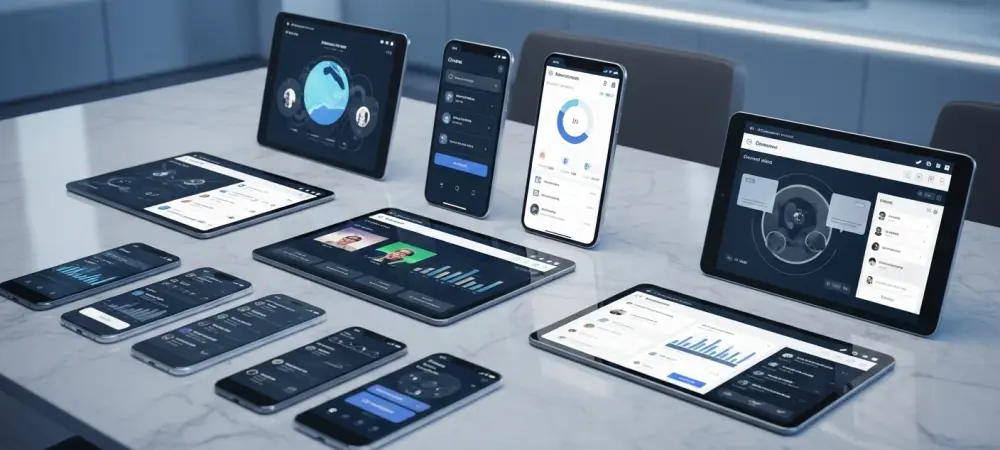
The glow of a smartphone screen once represented a simple portal to various apps, but the arrival of iOS 27 marks the moment that glass becomes a sentient partner in our daily lives. While the tech industry spent years refining voice triggers that often felt like shouting into a void, a fundamental shift has reached a boiling point within the Apple ecosystem. The traditional era of using Siri as a glorified kitchen timer has officially ended, replaced by a sophisticated, persistent intelligence that understands personal context before a sentence is even finished.
The End of the Command-Based Assistant
Apple is fundamentally redefining the relationship between hardware and software by moving away from isolated, one-off voice commands. In the past, every interaction with a virtual assistant was a siloed event, forgotten by the system as soon as the task was completed. With the release of iOS 27, the iPhone is no longer just a vessel for static applications; it is transforming into a multi-model conversational agent that challenges the very definition of what a mobile device should be. This evolution ensures that the device maintains a long-term memory of user preferences, previous discussions, and specific needs. This transition is not merely a cosmetic update but a deep architectural pivot toward a more proactive form of computing. Instead of waiting for a user to initiate a “Search or Ask” workflow, the system anticipates the next step based on the time of day, location, and active screen content. By removing the friction of repetitive commands, Apple has successfully repositioned the smartphone as a persistent digital companion. This shift signifies a departure from the “utility tool” phase of mobile technology, ushering in a period where the interface itself is an ongoing conversation rather than a series of menus.
Why the WWDC Shift Matters for Every User
Apple’s historically measured approach to new technology is currently facing its ultimate test against the breakneck speed of the generative AI industry. As competitors ship agents capable of booking entire vacations or managing complex financial spreadsheets, the pressure on Cupertino to maintain its status as the gold standard for integrated intelligence has never been higher. This moment is about more than just a software version number; it represents a strategic leadership transition from the era of Tim Cook to the vision of John Ternus, prioritizing functional utility over the company’s legendary closed-garden philosophy.
The stakes involve more than just consumer convenience; they involve the underlying logic of the digital economy. If Apple fails to integrate high-level intelligence seamlessly, it risks becoming a secondary layer for more capable third-party AI services. Consequently, the changes introduced this year are designed to prove that the ecosystem can be both open enough to leverage global innovations and secure enough to protect individual privacy. It is a delicate balancing act that determines whether the iPhone remains the center of the user’s digital universe or becomes a mere monitor for someone else’s artificial intelligence.
The Architectural Overhaul of Siri and iOS 27
At the core of this transformation lies the total reinvention of Siri, which now functions as a standalone application where conversations persist over time. The interface has moved away from the simple glowing orb at the bottom of the screen to a sophisticated workspace where users can revisit past inquiries, attach documents, and build upon previous ideas. This mirrors the depth found in advanced platforms like ChatGPT, allowing for a continuity of thought that was previously impossible on a mobile operating system. This persistence allows the assistant to evolve from a reactive helper into a project manager for the user’s digital life. In a landmark departure from decades of tradition, Apple is now integrating third-party AI models directly into the operating system. Users have been granted the flexibility to choose their primary engine, whether it is Google’s Gemini for expansive world knowledge, OpenAI’s ChatGPT for creative endeavors, or Anthropic’s Claude for nuanced reasoning. This strategic pivot ensures the ecosystem remains competitive even while Apple’s internal models continue to mature. By opening the gates to external intelligence, the company has transformed the iPhone into a platform that aggregates the best minds in the AI world under one unified interface.
Visual Intelligence and the Camera as a Data Sensor
The camera has evolved from a tool for capturing memories into a primary data-entry sensor through the implementation of Visual Intelligence. By utilizing a dedicated Siri mode within the Camera app, users can point their lenses at real-world objects like business cards, nutrition labels, or complex machinery to instantly log data into the Health or Contacts apps. This functionality effectively bridges the gap between the physical and digital worlds, making the act of typing information feel like a relic of the past. The lens now serves as a high-speed scanner that understands the context of what it sees in real time.
Furthermore, generative photography tools like “Extend,” “Enhance,” and “Reframe” are utilizing AI to manipulate photo boundaries and perspectives with professional-grade precision. These features allow users to expand the field of view of a captured image or fix lighting issues that were once unrecoverable. This advancement signals a shift in the philosophy of mobile photography, where the final image is no longer limited by the physical constraints of the lens. Instead, the software uses its understanding of the scene to recreate or improve upon reality, providing a level of creative control previously reserved for high-end desktop editing suites.
System-Wide Refinements and Daily Utility
Beyond the high-profile AI features, the entire ecosystem is receiving design updates characterized by a “Liquid Glass” aesthetic that enhances functional utility. The native keyboard is transforming into a context-aware writing assistant that can adjust tone and fix complex grammatical errors on the fly. In the Health app, AI-driven coaching—previously rumored to be a premium paid service—is now being provided to help users interpret their data through physician-backed insights. Even Safari is seeing a productivity lift, using background intelligence to automatically categorize and name tab groups based on the user’s current intent and research goals.
Industry analysts view this move toward model-sharing as a calculated gamble that prioritizes the user experience over absolute control. While some critics suggested that relying on rivals like Google and OpenAI indicated a lag in internal research, proponents argued that it was a brilliant way to offer the best technology without the friction of platform switching. The consensus among tech insiders is clear: the time for coy or playful responses from a digital assistant is over. To maintain its lead, Apple has focused on ensuring that Siri can execute complex, multi-step “App Intents” that move beyond simple voice triggers into true task automation.
Strategies for Navigating the New AI-Centric iOS
Mastering the “Search or Ask” workflow within the Dynamic Island has become essential for power users looking to maximize the efficiency of iOS 27. This text-based prompt offers a more discreet and powerful way to interact with the operating system, particularly when managing long-form queries or document analysis that requires the full-screen chat view. By transitioning away from strictly vocal triggers, users can engage with the system’s intelligence in public spaces or professional environments without the awkwardness of speaking to a device. This method provides a streamlined path to the most advanced features of the new persistent agent. To get the most out of the system, users should experiment with switching AI engines based on the specific nature of their tasks. One might use Gemini for real-time information and multimodal inputs while reserving internal Apple models for tasks that require maximum privacy and on-device processing. Additionally, the new “Create a Pass” framework in the Wallet app should be utilized to digitize physical memberships and tickets, creating a standardized way to manage assets. Ultimately, the successful implementation of these tools required a proactive approach to wellness and productivity, turning the smartphone from a source of distraction into a curated engine for personal growth and organized living.