

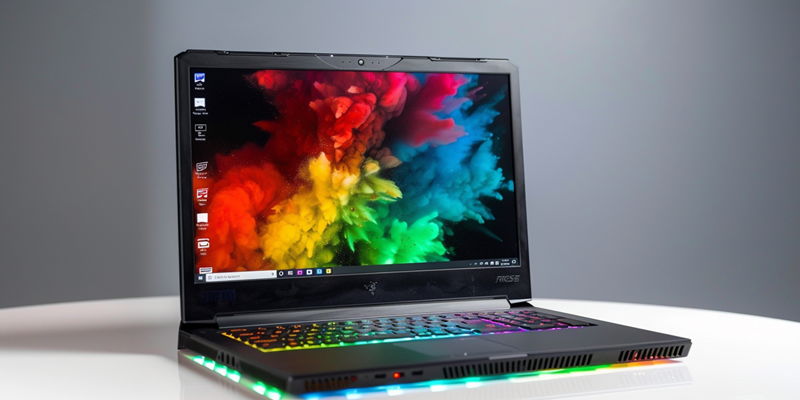
The anticipation surrounding the upcoming Intel Lunar Lake CPUs for laptops is building, especially with the confirmation of a new, integrated feature: the adaptive sharpening filter within the Xe2 graphics (Battlemage). Designed to elevate image quality selectively and intelligently, this innovative technology promises significant improvements for gamers and a broader audience concerned with image quality and laptop efficiency. This adaptive sharpening filter aims to sharpen areas that truly need enhancement while maintaining the integrity of the overall image. As this technology advances from concept to reality, it represents a considerable leap forward in graphics processing that could change how users experience visual content on laptops.
The excitement is not merely about the feature itself but its potential implications across various applications. With Linux patches and existing graphics driver support indicating imminent deployment, the adaptive sharpening filter is set to bring about a new era in laptop graphics. Those eager to achieve superior image quality without compromising battery life or performance will find Intel’s innovation particularly appealing. While the primary focus might initially be on gaming, the broader applications of this technology are set to benefit a wide range of users, from photography enthusiasts to professionals in creative fields. When the Lunar Lake CPUs finally hit the market, the enhanced image quality and device performance they promise are sure to make a noticeable impact.
Selective Sharpening for a Natural Look
One of the standout features of Intel’s adaptive sharpening filter is its ability to selectively enhance image sharpness. Unlike traditional methods that uniformly sharpen the entire image, this innovative approach focuses on foreground elements—like characters in a game—while avoiding unnecessary sharpening of background details such as trees or grass. This selective sharpening avoids the common pitfall of over-sharpening, which can result in an unnatural, overly processed look that detracts from the overall visual experience. By maintaining a natural balance, the filter ensures that images retain their intended aesthetic without appearing artificial or overdone.
The filter intelligently discerns which parts of the image would benefit from heightened clarity and which should remain untouched, thus providing a more aesthetically pleasing experience. This capability is particularly beneficial in gaming, where visual clarity of critical elements can enhance the overall user experience and immersion. Gamers will appreciate the distinction between the vividness of characters and the subtleties of background landscapes, resulting in a more engaging and lifelike gaming experience. However, the benefits of this technology extend beyond gaming alone, demonstrating its versatility and potential in various other applications that demand visual precision and quality.
Efficiency and Battery Life
Apart from improving image quality, the adaptive sharpening filter promises substantial efficiency gains. By focusing computational resources only where they are needed most, the filter reduces the overall workload on the GPU. This selective approach results in lower power consumption, which is crucial for maintaining the battery life of laptops, especially premium thin-and-light models. Enhanced efficiency not only prolongs battery life but also reduces heat generation, leading to cooler and quieter operation. For users who rely on their laptops for extended periods and in various environments, this is a significant advantage.
The technology’s ability to deliver high-quality visuals without the typical high-energy cost is likely to make it a standard feature in future high-performance laptops. This efficiency is not just about conserving battery life; it also means that users can enjoy more demanding applications, from high-definition video editing to immersive gaming, without worrying about frequent recharges. The cooler operation further implies that laptops can maintain peak performance for longer durations without thermal throttling, thus offering a more consistent and reliable user experience. All these factors contribute to making the adaptive sharpening filter a compelling feature for next-generation laptops, aligning perfectly with the needs of modern, dynamic users.
Beyond Gaming: Broader Applications
While the primary application of the adaptive sharpening filter may be in gaming, its potential extends far beyond. Photography enthusiasts and general users who focus on image editing and photo enhancement are also likely to find this technology beneficial. The ability to selectively sharpen photos can enhance the final output, making images appear more crisp and professional without the editable drawbacks of traditional sharpening methods. By offering a more sophisticated tool for image enhancement, the filter positions itself as an invaluable asset for creative professionals and hobbyists alike.
This broader utility means that the technology can potentially be integrated into various software solutions, providing a versatile tool for different user needs. Whether it’s enhancing a vacation photo or tweaking graphics for a presentation, the adaptive sharpening filter brings a higher degree of precision and quality to the table. Therefore, its inclusion in Intel’s upcoming CPUs signifies a major leap in both specialized and everyday computing tasks. Users across various fields and with diverse needs will likely find these advancements incredibly useful, as they enable a range of new possibilities for image manipulation and enhancement.
Technological Readiness and AI Integration
Intel’s efforts to bring the adaptive sharpening filter to life are evident in their recent developments. Linux kernel patches and existing graphics driver support suggest that the feature is on the brink of deployment. This readiness signals that users won’t have to wait long to experience these advancements. The groundwork laid through these updates emphasizes Intel’s commitment to delivering this innovative technology promptly and effectively. Users can anticipate a seamless integration of this feature into their systems, allowing for an immediate enhancement in visual quality.
There is also speculation that this sharpening technology may leverage the capabilities of the new Neural Processing Unit (NPU) present in Lunar Lake CPUs. If true, this would demonstrate a sophisticated use of AI, further enhancing the filter’s efficiency and effectiveness. By utilizing AI to handle sharpening workloads, Intel positions itself at the forefront of intelligent and efficient computing solutions. This integration showcases not just a technological advancement but an innovative approach to handling graphics processing which could set new benchmarks in the industry. The potential for AI-driven image enhancements opens up new avenues for development and application, reinforcing the transformative impact this feature may have.
Poised for Impact
Anticipation is growing for Intel’s upcoming Lunar Lake CPUs for laptops, especially with the confirmed inclusion of the adaptive sharpening filter in the integrated Xe2 graphics (Battlemage). This cutting-edge technology is engineered to enhance image quality selectively and intelligently, promising significant improvements for gamers and anyone concerned with image sharpness and laptop performance. The adaptive sharpening filter focuses on refining areas that need enhancement without compromising the overall image integrity. As this technology evolves from concept to reality, it signifies a major advancement in graphics processing that could transform how users experience visual content on laptops.
The excitement isn’t just about the feature but its wide-ranging implications. Indications of imminent deployment, such as Linux patches and existing graphics driver support, suggest we’re on the brink of a new era in laptop visuals. Those seeking superior image quality without sacrificing battery life or performance will find Intel’s new innovation particularly enticing. While gaming is likely to be the initial focus, the broader uses—benefiting photographers, creatives, and professionals alike—are undeniable. As the Lunar Lake CPUs hit the market, the promised enhancements in image quality and device performance are poised to make a significant impact.