

The seamless fusion of hardware and neural processing has finally reached a tipping point where the smartphone acts less like a reactive tool and more like an anticipatory digital extension of the human mind, fundamentally altering how users interact with their daily environments. With the arrival of iOS 27, Apple Intelligence moves beyond the novelty of generative text and simple image creation to a state of ubiquitous, low-latency contextual awareness that operates silently in the background. This shift represents a transition from on-demand AI, where a user must prompt a system to perform a task, to a proactive architecture that understands intent through multi-modal inputs. The integration of advanced Large Language Models directly into the core kernel of the operating system allows the device to parse information across all native and third-party applications simultaneously. This synchronization ensures every notification and biometric signal is processed to streamline the user’s cognitive load, making the mobile experience feel truly intuitive.
Semantic Orchestration: Redefining App Interconnectivity
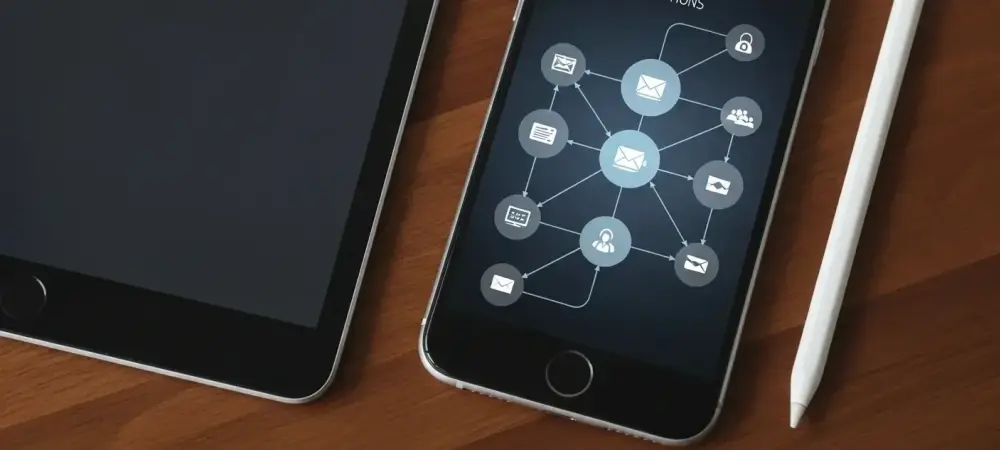
The primary transformation within iOS 27 centers on a concept known as semantic orchestration, which effectively dissolves the traditional barriers that have historically separated one application from another. Instead of a collection of isolated icons, the iPhone now operates as a unified intelligence layer where data flows securely between the Mail, Calendar, and specialized third-party tools like Slack or Trello without requiring manual input. For example, if a user receives an intricate logistical update in an encrypted messaging app, the system automatically cross-references this data with existing travel itineraries and suggests adjustments to home automation schedules. This is not merely a series of automated shortcuts; it is a deep-learning synthesis that understands the nuance of professional and personal commitments. By leveraging enhanced App Intents, developers can now expose their core functionalities to the system-wide intelligence, allowing the device to perform multi-step actions that were previously buried under layers of menus.
Building on this interconnected foundation, the hardware-level optimizations in the latest A-series silicon provide the necessary computational headroom to handle these complex operations without compromising battery longevity or thermal efficiency. The neural engine is now capable of running billion-parameter models locally, ensuring that the most sensitive personal data never leaves the device’s secure enclave for processing. When tasks require more heavy-duty computation, the system utilizes Private Cloud Compute to maintain a cryptographic bond between the user and the server, ensuring total privacy. This hybrid approach allows iOS 27 to offer sophisticated features like real-time video translation and complex financial forecasting while maintaining the strict security standards that users expect. As the system learns from individual patterns, it creates a personalized knowledge graph that evolves over time, making the intelligence more accurate the longer it is used. This persistent memory allows the iPhone to recognize subtle changes in a user’s routine easily.
Contextual Intelligence: The Evolution of the User Interface
The visual language of the iPhone undergoes a significant shift as Apple Intelligence introduces a truly adaptive interface that changes its configuration based on the user’s physical location and current activity. Rather than a static grid of icons, the home screen and lock screen now utilize dynamic widgets that surface relevant tools before the user even realizes they are needed. If the device detects a work-related context through geolocation and scheduled meetings, it promotes productivity apps and filters out social distractions with high precision. This contextual sensitivity extends to the Dynamic Island and the Control Center, which reorganize themselves to provide the most likely tools for a given situation, such as media controls during a workout or smart home toggles upon arriving at the front door. This reduction in friction means that the average interaction time required to complete a task is significantly lower, allowing the user to stay present in their physical surroundings while still benefiting from digital assistance.
The rollout of these advanced features required a massive shift in how developers approached application design, moving away from closed ecosystems toward a more open, yet secure, data-sharing model. Organizations that prioritized the early adoption of these intelligence frameworks saw significant increases in user retention and engagement, as their tools became indispensable components of the broader iOS ecosystem. For enterprise users, the focus shifted toward data hygiene and the implementation of robust metadata tags to ensure that the system-wide intelligence could accurately interpret and act upon corporate information. It became essential for users to audit their privacy permissions to ensure local processing optimized their personal data security. Developers adopted the latest SwiftUI frameworks to support generative UI elements that responded to user intent. Strategic planning for this phase of mobile computing involved auditing software architectures to ensure compatibility with multi-modal inputs and the latest neural engine requirements.