

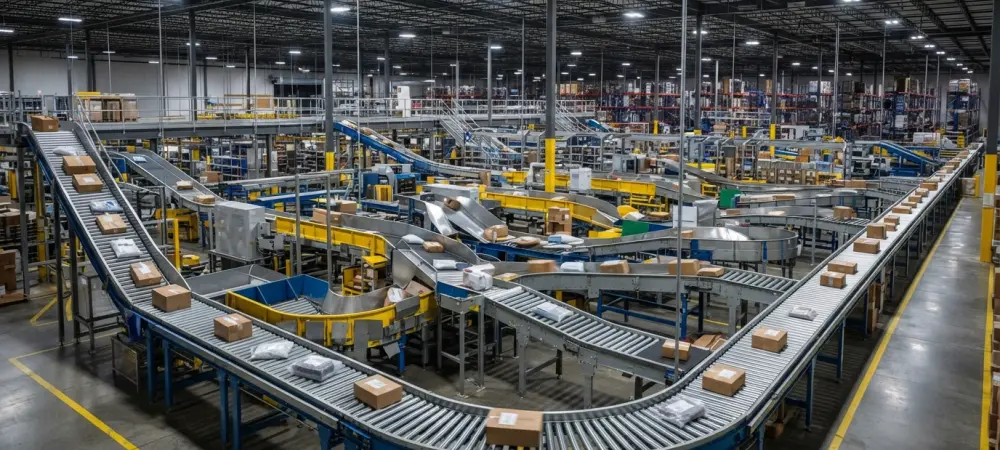
The seamless fusion of digital algorithms with physical machinery has fundamentally rewritten the rules of industrial safety and national security. Cyber-Physical Systems (CPS) now serve as the nervous system for modern infrastructure, spanning from smart power grids to autonomous manufacturing floors. This convergence is not merely a technical upgrade but a paradigm shift that integrates sensing, computation, and control into a unified feedback loop. As these systems become more interconnected, the vulnerability of the physical world to digital interference increases, necessitating a comprehensive reevaluation of protective strategies.
The relevance of CPS in the current technological landscape stems from its ability to translate digital logic into tangible, real-world outcomes. Unlike traditional computing, where the primary concern is the movement of data, CPS manages the movement of energy and matter. This shift has elevated the importance of security from a matter of privacy to a matter of survival, as the failure of a single sensor can now result in structural damage or environmental hazards. Consequently, the industry has seen a rapid evolution in how these systems are designed, moving away from isolated “air-gapped” silos toward integrated, network-reliant architectures.
Technical Architecture: Security Components
The technical foundation of any modern cyber-physical environment relies on a layered architecture that bridges the gap between high-level software and low-level physical actuators. At the core, these systems utilize a combination of edge controllers, communication gateways, and centralized management platforms. Each layer must be secured not only against external intrusion but also against internal synchronization errors that could destabilize the physical process. This architecture demands a high degree of interoperability, as components often originate from various vendors and generations of technology.
The Integration of Information and Operational Technology
The most significant architectural hurdle involves reconciling the disparate worlds of Information Technology (IT) and Operational Technology (OT). IT frameworks typically prioritize the confidentiality and integrity of data, often employing frequent updates and reboots to maintain security. In contrast, OT environments are defined by the requirement for process availability and uptime. In an industrial setting, a three-second delay caused by a security scan can lead to a catastrophic mechanical failure or a ruined production batch.
This divergence in priorities creates a friction point that modern security solutions must address. While an IT administrator might see an unpatched server as a high-risk liability, an OT engineer sees a patch as a potential source of downtime. Effective security components now act as a translation layer, allowing for the application of digital safeguards without infringing upon the rigid timing requirements of physical machinery. This integration ensures that data flows are protected while the mechanical heart of the system continues to beat without interruption.
Passive Monitoring: Asset Visibility
Because many industrial components are essentially “brittle” legacy hardware, they cannot withstand the aggressive probing typical of standard IT vulnerability scanners. Passive monitoring has emerged as the essential alternative, allowing security teams to gain visibility by observing existing network traffic rather than querying devices directly. This approach maps the entire ecosystem without adding any computational load to the sensitive controllers that manage physical processes. It provides a non-invasive way to identify every asset, from the smallest temperature sensor to the largest robotic arm.
Establishing this visibility requires a deep understanding of device and operational context. Knowing that a device has a specific IP address is insufficient; security professionals must also understand what that device does and what the impact would be if it were compromised. Impact analysis involves evaluating the consequences of a device failure on the broader system, which allows organizations to prioritize their efforts on the most critical nodes. By layering this context over raw network data, passive monitoring transforms a list of hardware into a comprehensive map of operational risk.
Emerging Trends: Digital-Physical Protection
A definitive shift in the security landscape is the movement “left” toward proactive risk management rather than reactive incident response. Instead of waiting for a breach to occur, organizations are now embedding security considerations into the earliest stages of system design and deployment. This proactive stance is driven by the realization that once a physical process is compromised, the time available for a human response is often too short. Advanced frameworks are now leveraging machine learning to predict potential failure points and recognize early signs of unauthorized manipulation within the network.
Moreover, there is a growing trend toward context-aware security policies that adapt to the current state of the physical environment. For instance, a security protocol might allow certain configuration changes during a scheduled maintenance window but block those same actions during peak production hours. This industrial digital transformation has turned security from a static barrier into a dynamic, responsive layer of the operational workflow. By focusing on risk management rather than simple patching, enterprises can maintain a higher security posture without sacrificing the agility of their physical operations.
Real-World Applications: Sector Deployment
The deployment of these secured systems is most visible in the manufacturing sector, where high-precision robotics and automated assembly lines require constant protection from unauthorized access. In these environments, even a minor change to the logic of a programmable controller could result in defective products or worker injuries. By implementing robust segmentation and real-time monitoring, manufacturers are able to protect their intellectual property and their physical assets simultaneously, ensuring that the transition to smart factories does not come with an unacceptable level of risk.
Beyond the factory floor, the healthcare sector has seen a surge in the use of connected medical devices, often referred to as the Internet of Medical Things (IoMT). These devices, such as infusion pumps and cardiac monitors, are classic examples of cyber-physical systems where security is directly tied to patient outcomes. Similarly, in the utility sector, the protection of electrical substations and water treatment facilities is paramount. These critical infrastructures use digital-physical integration to balance supply and demand across vast distances, making them prime targets for sophisticated actors seeking to cause widespread disruption.
Critical Challenges: Technical Hurdles
Despite technological progress, several hurdles remain, particularly regarding the hardware limitations of edge devices. Many controllers currently in operation have very limited CPU and memory resources, making it impossible to install modern encryption or local security agents. These constraints force security architects to rely on external, compensating controls, such as network-level firewalls and traffic isolation. The challenge is to protect these resource-constrained devices without introducing latency that could interfere with the real-time nature of the physical control loops.
Another significant risk is the danger posed by active scanning in sensitive environments. In many older systems, a simple network ping or a standard vulnerability probe can cause a device to crash or behave unpredictably. This creates a situation where the tools used to protect the system actually become a threat to its stability. To mitigate these risks, organizations are increasingly turning to network segmentation, which limits the “blast radius” of any single vulnerability. By compartmentalizing the network, teams can ensure that an issue in one area does not propagate through the entire system, thereby maintaining overall uptime.
Future Outlook: Strategic Evolution
Looking ahead, the expansion of the global IoT market will continue to drive the integration of cyber-physical systems into every facet of the supply chain. From 2026 to 2030, the number of connected devices is expected to grow exponentially, requiring even more sophisticated and automated security responses. The future of this field lies in the development of unified IT and OT workflows, where security data is automatically shared across the organization to create a single, cohesive view of risk. This alignment will be crucial for managing the complex interdependencies that define modern global commerce.
The long-term impact of these developments will be a transition toward autonomous security systems capable of defending themselves in real time. As breakthroughs in artificial intelligence and edge computing continue, we can expect to see systems that can automatically reconfigure their network paths or isolate compromised components without human intervention. This strategic evolution will not only protect industrial productivity but also enhance the general safety of society by ensuring that the critical systems we rely on—from transportation to energy—are resilient against both digital and physical threats.
Conclusion: Summary of Findings
The assessment of the current landscape revealed that the security of cyber-physical systems transitioned from a niche technical concern to a central pillar of operational resilience. It was observed that the initial friction between IT and OT priorities began to dissolve as organizations adopted more nuanced, context-aware frameworks. The reliance on passive monitoring proved to be a decisive factor in protecting legacy infrastructure, allowing for deep visibility without the risk of system instability. The industry moved toward a risk-based model that prioritized the physical consequences of a breach over simple technical vulnerability scores.
Furthermore, the integration of security into the lifecycle of industrial digital transformation established a foundation for more robust national infrastructure. Strategic implementations of network segmentation and compensating controls successfully mitigated the inherent limitations of aging hardware. In the final analysis, the successful fusion of digital vigilance with physical operational requirements emerged as the only viable path for sustaining modern industrial society. Moving forward, the focus must shift toward scaling these integrated workflows to meet the demands of an increasingly connected global economy.