

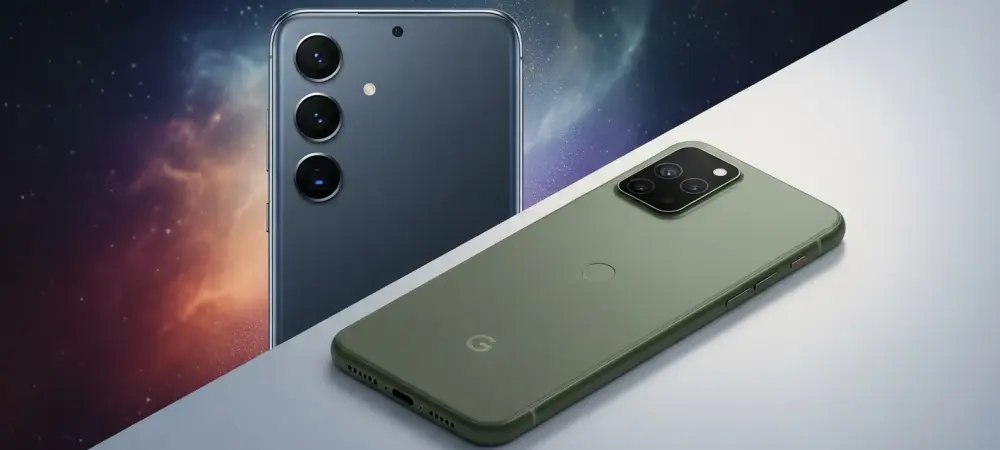
The modern smartphone landscape has moved beyond the simple excitement of annual software updates to a phase where hardware longevity defines the true cost of ownership for most consumers. As users look past the initial buzz of major developer events, the focus returns to finding tangible value in the physical devices they hold every day. This evolution marks a transition from chasing the latest software gimmicks to investing in reliable, long-term performance. Understanding these market shifts is essential for navigating the current strategies of tech giants like Samsung and Google as they reposition their flagship lineups.
Navigating the High-Stakes Shift Toward Hardware Value in a Software-First Era
Industry leaders recognize that the rapid rise of artificial intelligence has fundamentally changed what people expect from their hardware. Manufacturers are now forced to offer more robust internal specifications to support demanding background processes while keeping the initial purchase price competitive.
Instead of relying on brand loyalty alone, companies are pivoting toward aggressive hardware value propositions. This strategy ensures that the hardware remains functional and relevant throughout its entire intended lifecycle, providing a better return on investment for the average buyer.
Breaking Down the Flagship Pricing Wars Between Samsung and Google
The battle for market share is currently being fought through tiered pricing and promotional storage upgrades. Both Samsung and Google have identified that price sensitivity is at an all-time high, leading to frequent discounts that blur the lines between mid-range and premium tiers.
These manufacturers are no longer just selling a phone; they are selling a multi-year service commitment. By manipulating the entry price of their largest models, they effectively guide consumers toward specific hardware configurations that maximize brand revenue while satisfying user demands.
The Storage-to-Price Strategy: How Samsung Is Incentivizing the Galaxy S26+ Upgrade
Samsung has shifted its focus toward storage capacity as a primary driver of perceived value for its flagship series. By pricing the 512GB Galaxy S26+ identically to the 256GB version at approximately $900, the brand makes the higher-tier model feel like an essential bargain.
This move addresses the reality that base storage levels are becoming obsolete faster than processors. Industry analysts suggest this aggressive push ensures that users do not experience performance degradation during the phone’s seven-year update cycle.
The Google Discount Factor: Positioning the Pixel 10 Pro XL as the “Budget” Premium Alternative
Google continues to disrupt the premium market by positioning the Pixel 10 Pro XL as a more accessible alternative to the Ultra class. By undercutting its main competitor by nearly $200, Google makes a strong case for users who prefer intuitive software over raw hardware power.
The Pixel series capitalizes on its ecosystem’s appeal, offering a refined experience at a significantly lower price point. This creates a tension where buyers must decide if Samsung’s superior cooling and build quality justify the significant price premium.
The Impact of Seven-Year Software Support on Long-Term Purchase Decisions
The commitment to seven years of software support has fundamentally changed how consumers calculate a phone’s long-term worth. This shift has revitalized the interest in older flagships, like the Galaxy S25 FE, which often provide better value than new budget-oriented releases. Savvy shoppers are increasingly ignoring the latest low-tier releases in favor of slightly older premium hardware. This trend challenges the assumption that the newest model is always the best choice, forcing brands to justify the existence of their lower-tier devices.
Weighing Samsung’s Hardware Mastery Against Google’s Intuitive Ecosystem
Choosing between these giants often comes down to the balance between productivity and simplicity in a daily workflow. Samsung remains the powerhouse for users who demand multitasking, while Google focuses on a streamlined, “it just works” philosophy that appeals to a broader audience.
Samsung is betting on physical durability and battery longevity to keep users loyal over the years. In contrast, Google is investing in software intelligence that evolves and improves without requiring a hardware upgrade every year to remain useful.
Making an Informed Decision: Smart Buying Strategies for Today’s Market
To maximize a purchase today, buyers should prioritize internal storage and battery capacity over incremental camera improvements. The current market sweet spot is found in models that offer high capacity for the price of the base tier, especially during promotional windows. Practical advice for shoppers involves waiting for storage parity deals that offer the highest return on investment. Looking for these specific opportunities allowed for a flagship experience without paying the full premium price tag usually associated with top-tier tech.
The New Reality of Smartphone Longevity and Brand Loyalty
The competition between the Galaxy S26 and Pixel 10 proved that buyers valued future-proof investments over short-term trends. As manufacturers extended their lifecycles, the focus shifted toward securing devices with the most durable components and significant storage capacities to last through the decade. Future decisions should involve weighing the importance of hardware dominance against the growth of integrated software services. Consumers who identified these trends successfully balanced their budgets while maintaining a high-end mobile experience that stayed relevant for years.