

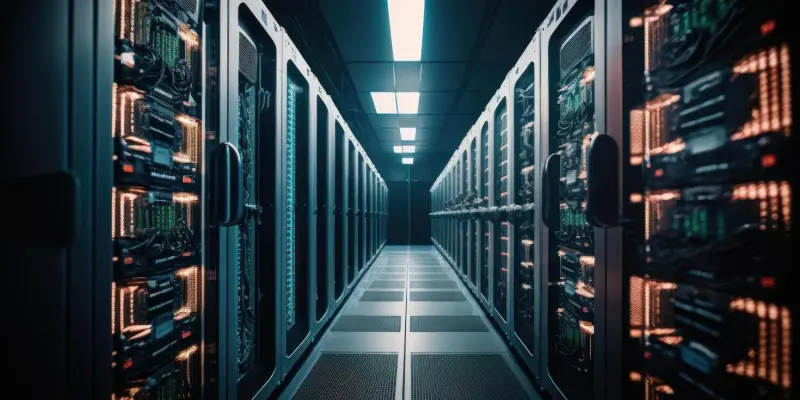
The rapid evolution of artificial intelligence (AI) technologies is poised to significantly alter the energy consumption landscape of data centers. Recent projections suggest that the electricity demand by data centers will nearly double by the end of this decade, with AI as the primary catalyst. This staggering increase raises critical questions about sustainability, infrastructure, and the future of energy use in the tech industry.
The Current State and Expected Surge
Growing Demand for AI-Centric Data Centers
In 2025, the International Energy Agency (IEA) estimated that data centers would consume approximately 415 terawatt-hours (TWh) of electricity annually. However, this figure is expected to surge to 945 TWh by 2030, marking a dramatic rise predominantly fueled by the growing integration of AI. Data centers accounted for around 1.5% of the global electricity consumption this year, and predictions indicate this figure will continue climbing as AI becomes more entrenched in various applications. A significant portion of this energy usage is attributed to servers dedicated specifically to AI tasks. These AI-centric servers represented 24% of the overall server electricity demand and 15% of the total data center energy demand in the recent evaluation. However, experts like Alex de Vries from VU Amsterdam caution that even these projections might underestimate the actual impact of AI on energy consumption. De Vries emphasizes the critical need to accurately understand the energy footprint of data centers, which are becoming increasingly pivotal in the global electricity consumption narrative.
Regional Distribution and Contributions
The geographical distribution of energy consumption by data centers reveals that the United States, Europe, and China are the primary contributors. These regions collectively account for 85% of the current data center energy use, driven largely by their advanced economic and technological infrastructures. Going forward, these advanced economies are expected to drive over 20% of the growth in data center energy consumption, leaving developing economies to contribute around 5% to this increase. The uneven growth in electricity consumption globally underscores a need for strategic energy planning to accommodate the rising demands. For instance, data centers tend to cluster in specific regions, thereby exerting considerable strain on local grids. The resulting energy demands necessitate extensive and forward-looking planning to ensure that power grids can handle the increased loads. Despite a shift towards renewable energy sources, the construction of new gas-fired power plants, particularly in the U.S., may extend the reliance on fossil fuels, thereby potentially undermining climate goals.
Infrastructure and Sustainability Challenges
Power Plant Construction and Grid Upgrades
As the demand for data center energy soars, countries are prompted to embark on extensive infrastructure projects to build more power plants and upgrade existing electricity grids. These initiatives are crucial for supporting the burgeoning data center energy needs projected for the coming years. Notably, the IEA warns that around 20% of planned data centers might experience delays in connecting to grids, a challenge that could impact their operational timelines and efficiency.
The shift towards using more renewable energy sources is underway; however, it presents its own set of challenges. While renewable energy aims to replace fossil fuels, the practicality of exclusively depending on these sources remains a significant hurdle. The construction of gas-fired power plants in the United States exemplifies this tension, as such developments could delay the broader transition to sustainable energy and potentially counteract efforts to meet climate objectives. Strategic investments and innovation in renewable energy are thus critical to balance the energy supply and demand equation effectively.
Localized Strain on Energy Grids
The centralized and clustered nature of data centers further complicates the energy consumption scenario. These clusters often lead to disproportionately high energy consumption in specific locales, imposing additional stress on local electricity grids. Areas with a high density of data centers face the challenge of maintaining a reliable energy supply while managing increased local demand. Thus, the planning and expansion of power infrastructure must consider these clusters to avoid potential bottlenecks and ensure a steady energy supply. To address these challenges, comprehensive and forward-looking strategies are imperative. Policymakers and industry stakeholders must collaborate to devise and implement solutions that balance the energy demands of AI-driven data centers with sustainable practices. Innovations in energy-efficient technologies, advancements in grid management, and the integration of renewable energy sources are critical components of this endeavor.
Navigating the Future of Data Center Energy Consumption
Strategic Planning and Innovations
The forecasted doubling of data center energy consumption by 2030 presents both challenges and opportunities. Responding effectively to this surge requires meticulous planning and innovative approaches to energy management. Governments and industry leaders are tasked with the responsibility of aligning energy policies, infrastructure investments, and technological advancements to meet these increasing demands sustainably. Investment in cutting-edge energy-efficient technologies is one such response. By optimizing the performance of AI-centric servers and improving overall data center efficiency, the tech industry can mitigate some of the projected energy consumption increases. Additionally, advancements in cooling technologies, which are a significant component of data center energy use, can further contribute to reducing the overall energy footprint.
Balancing Growth with Sustainability
The tension between growth and sustainability is evident in the AI-driven transformation of data centers. While AI applications drive remarkable advancements, they bring forth substantial energy demands that need to be managed responsibly. Pursuing a balanced approach that accommodates technological growth while promoting renewable energy integration and energy-efficient practices is crucial.
Renewable energy sources play a pivotal role in this balance. Governments and private enterprises must continue to invest in developing and deploying renewable energy infrastructure. This transition not only supports climate goals but also ensures a reliable and sustainable energy supply for the expanding data center industry. Furthermore, international cooperation and knowledge sharing can facilitate the adoption of best practices and innovative solutions across regions, mitigating the environmental impact of increased energy consumption.
Towards a Sustainable Future
The rapid evolution of artificial intelligence (AI) technologies is on track to significantly impact the energy consumption landscape within data centers. With AI advancements continuing at an unprecedented pace, recent forecasts indicate that the electricity demand of data centers will nearly double by the decade’s end, making AI the principal driving force of this surge. This dramatic increase in energy consumption prompts vital discussions about sustainability, the adequacy of current infrastructure, and the broader implications for energy use in the tech sector. As AI continues to develop, its role in pushing the limits of energy consumption highlights the urgent need for innovative solutions to manage this growth sustainably. Addressing these emerging challenges requires a concerted effort from technology companies, policymakers, and energy providers to ensure that the benefits of AI can be realized without compromising environmental objectives or overwhelming existing power grids. Balancing the growth of AI with sustainable energy practices will be crucial for the future stability and efficiency of data centers and the tech industry overall.