

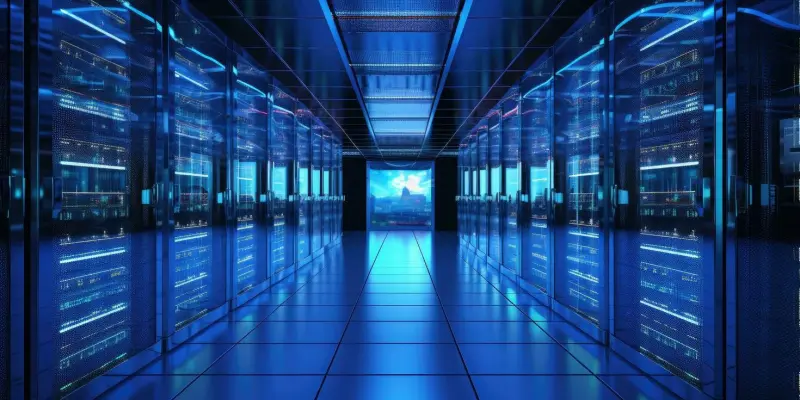
Artificial intelligence (AI) and high-performance computing (HPC) have made remarkable strides, propelling industries forward with transformative applications. With ambitious AI models becoming increasingly complex, data centers tasked with handling these computational demands are facing significant challenges in thermal management. The heat produced by powerful processors and extensive data operations necessitates advanced cooling solutions to ensure optimal performance and sustainability. Data centers have become the central hubs for processing, storing, and managing vast quantities of data essential for AI applications. The surge in AI workloads is exerting unprecedented pressure on these facilities, particularly on their cooling systems. As AI applications grow, so does the energy consumption, resulting in heightened heat levels that traditional cooling methods struggle to handle efficiently. This article explores the evolving needs of AI-driven data centers and the imperative for innovative cooling solutions.
The Growing Demand for Computational Power
AI applications are driving a massive increase in computational power, demanding infrastructures that can process and analyze data effectively. The complexity and size of AI models have skyrocketed, requiring robust systems capable of managing these workloads. The escalation in energy consumption leads to significant heat generation, presenting a formidable challenge for data centers that must manage this efficiently to maintain performance.
Data centers are the backbone of AI, responsible for the heavy lifting involved in data processing and storage. The continuous rise in AI workloads is pushing the operational limits of these centers, particularly concerning cooling capacities. Traditional cooling systems often fall short of effectively dissipating the increased thermal output from cutting-edge AI operations, prompting the need for new solutions.
Limitations of Traditional Cooling Methods
Historically, air cooling has dominated data center cooling strategies. This method employs the use of fans and air-conditioning units to dissipate heat generated by computing processes. However, as computational power increases, air cooling systems are becoming less effective, resulting in higher operational costs and decreased efficiency. The limitations of air cooling are becoming increasingly apparent as AI models grow in complexity and size. An alternative to air cooling, liquid cooling offers improved thermal management capabilities. Techniques such as direct-to-chip cooling and immersion provide more effective heat dissipation. Yet, liquid cooling introduces its own set of challenges, including system complexity, high maintenance demands, and the necessity for extensive infrastructure overhauls. These hurdles have made many data center operators hesitant to embrace liquid cooling fully, despite its potential benefits.
Addressing Energy Consumption
The energy consumption of cooling systems in data centers can account for nearly 40% of the total energy usage. The heightened demand for computational power due to AI advances exacerbates this consumption, creating an urgent need for energy-efficient cooling solutions to manage heat effectively. Elevated energy demand also translates to increased operational costs and larger carbon footprints, making the development of innovative cooling technologies crucial to meet these challenges.
Balancing performance with environmental sustainability is a pressing concern for data centers globally. Companies are striving to align with green targets, emphasizing the importance of cooling systems that reduce energy usage while maintaining efficiency. Advanced cooling solutions are imperative to achieve the dual aim of performance optimization and environmental responsibility, necessitating significant investment and strategic planning.
Infrastructure and Sustainability Challenges
Data centers often struggle with the extreme heat produced by modern AI workloads. Many existing facilities were not initially designed to manage the high thermal output of powerful processors, leading to significant wear and tear on cooling systems and infrastructure strain. The intensifying heat management demands are highlighting critical gaps in traditional cooling strategies, necessitating a shift to more advanced solutions.
The global push towards greener operations compounds these challenges, requiring cooling systems that are not only effective but also environmentally sustainable. Data centers are under pressure to implement solutions that reduce carbon emissions and align with broader sustainability goals. Adopting advanced cooling methods is vital to achieve this balance, ensuring both performance and environmental objectives are met.
Scalability and Future-Proofing
With AI adoption continuously expanding, data centers must be equipped to scale their cooling capacities accordingly. Advanced cooling solutions are essential to address current demands while anticipating future increases in computational power. Ensuring scalable solutions without incurring exorbitant costs or requiring disruptive upgrades is critical for maintaining efficiency and managing operational expenses effectively. Investing in innovative cooling technologies now provides data centers with the tools needed to handle the growing capabilities of AI applications. Proactive investments in scalable cooling systems are crucial for future-proofing infrastructures, allowing data centers to adapt seamlessly to evolving demands and technological advancements.
Exploring Advanced Cooling Technologies
Emerging thermal management solutions, such as semiconductor-based cooling, offer promising alternatives to traditional methods. Solid-state cooling approaches provide localized and quick-response cooling, efficiently addressing the high heat output of AI processors. These advanced technologies leverage innovative designs and materials to optimize energy usage and enhance operational efficiency. By adopting semiconductor-based cooling solutions, data centers can significantly improve their thermal management capabilities. The benefits include reduced energy consumption, alignment with environmental sustainability goals, and enhanced performance. These technologies present a critical step towards revolutionizing the cooling strategies in AI-driven data centers, ensuring they meet the demands of modern applications.
Ensuring Implementation and Adoption
To stay abreast of rapid advancements in AI technology, data center operators must invest in advanced cooling solutions. Effective implementation involves understanding the specific requirements of their facilities, planning necessary infrastructure changes, and ensuring maintenance capabilities are robust. Proactive integration of these technologies is essential to optimize performance and manage thermal challenges effectively.
Education and awareness among stakeholders about the benefits and practicality of new cooling technologies are crucial for widespread adoption. Demonstrating the long-term savings and environmental advantages can drive industry acceptance, leading to transformative change in data center operations. Ensuring stakeholder buy-in and aligning investments with sustainability goals are pivotal to achieving comprehensive and effective implementation.
The Path Forward for AI Data Centers
As AI adoption continues to grow, data centers must be prepared to scale their cooling capacities to meet increasing demands. Advanced cooling solutions are vital to address current requirements while also anticipating future increases in computational power. It’s crucial to ensure these scalable solutions are implemented without incurring excessive costs or necessitating major upgrades, which could disrupt operations. Effective management of operational expenses is key to maintaining overall efficiency. Investing in cutting-edge cooling technologies now equips data centers with the needed tools to support the expanding capabilities of AI applications. Proactive investments in scalable cooling systems are essential for future-proofing infrastructures, enabling data centers to adapt smoothly to evolving demands and technological advancements. By planning ahead, data centers can avoid potential downtime and ensure continuous optimal performance. These investments not only address present needs but also prepare for future challenges, making it easier to integrate newer technologies as they emerge.