

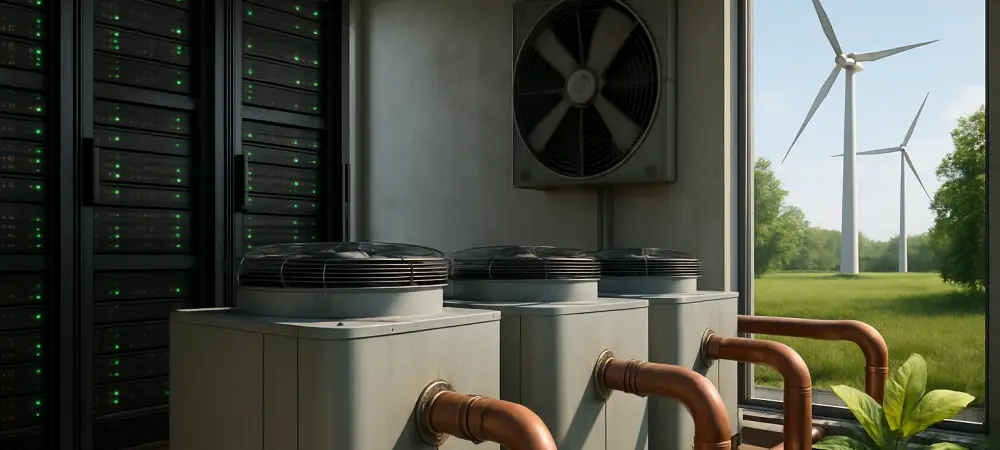
I’m thrilled to sit down with Dominic Jainy, an IT professional with deep expertise in artificial intelligence, machine learning, and blockchain. With a passion for applying cutting-edge technology to solve real-world challenges, Dominic brings a unique perspective to the intersection of tech and sustainability. Today, we’re diving into the critical role of sustainable water management in Europe’s data center industry, exploring innovative solutions, regulatory hurdles, and the broader impact on communities and the environment.
Can you give us an overview of the importance of sustainable water solutions in the data center industry, particularly in Europe?
Absolutely. Data centers are the backbone of our digital world, especially with the rise of AI and decentralized infrastructure. In Europe, where smaller, localized facilities are becoming the norm due to data sovereignty and security concerns, sustainability is a top priority. Water management plays a huge role here because cooling systems, which are essential to keep servers running, can consume massive amounts of energy and water. Addressing this through sustainable solutions isn’t just about cutting costs—it’s about meeting environmental goals and responding to community concerns.
How does water usage impact the operational efficiency of data centers?
Water is integral to data center operations, especially for cooling, which can account for 10% to 40% of energy costs. Inefficient systems not only drive up expenses but also strain local water resources, which can lead to backlash from nearby communities. The challenge is to design systems that minimize water waste while maintaining performance. This is where strategic design and advanced technologies come in, helping operators balance efficiency with environmental responsibility.
What kinds of innovative technologies are being used to tackle water and cooling challenges in data centers?
There are some fascinating advancements in this space. High-performance pumps and fluid management systems are being tailored for data centers to optimize cooling processes. These technologies reduce water and energy consumption significantly. Beyond that, solutions like heat recovery systems are gaining traction. They capture excess heat from data centers and repurpose it, which not only cuts down on waste but also creates a more sustainable operation overall.
Can you explain the concept of redirecting excess heat from data centers to benefit surrounding communities?
Sure, it’s a really innovative approach. Some data centers are implementing heat distribution systems that channel the excess heat generated by servers to nearby residential or commercial areas for heating purposes. The cooled water is then returned to the facility. This creates a circular system that reduces energy waste and provides a direct benefit to the community. It’s a win-win—data centers lower their environmental footprint, and locals gain access to a sustainable heat source.
How do local communities typically react to the water and energy demands of data centers, and what can be done to address their concerns?
Communities often express valid concerns about the environmental impact of data centers, especially regarding water usage and energy consumption. They worry about resource depletion and how it affects their daily lives. Transparent communication is key—operators need to show how they’re minimizing their footprint through sustainable practices. Projects like heat distribution also help by demonstrating tangible benefits to the community, fostering goodwill and trust.
Europe is known for its complex and fragmented regulatory environment. How do data center operators navigate these challenges with sustainability in mind?
You’re right—Europe doesn’t have a unified standard for data center regulations, which means environmental rules can vary widely from country to country. This fragmentation makes compliance tricky. Operators need partners who understand these nuances and can offer solutions that are not only compliant today but also adaptable to future changes. Expertise in local regulations, combined with scalable, sustainable technologies, helps ensure that investments are future-proof.
What advantages come from having a comprehensive, one-stop approach to water and thermal management in data centers?
A holistic approach is a game-changer. When you have a single partner managing everything—from cooling and HVAC to firefighting and wastewater systems—it streamlines the process for operators, builders, and consultants. It reduces complexity, ensures compatibility across systems, and often leads to better efficiency and cost savings. Plus, having localized support means faster response times and solutions tailored to specific regional needs.
What is your forecast for the future of sustainable water management in the data center industry?
I’m optimistic about the future. As sustainability becomes non-negotiable, I expect to see even more innovation in water and energy management. Technologies like AI-driven optimization for cooling systems and broader adoption of circular systems, such as heat redistribution, will likely become standard. Regulatory pressures will continue to push the industry toward greener practices, and I think we’ll see stronger collaboration between data center operators, tech providers, and communities to create solutions that benefit everyone.