

Pioneering Connectivity in the South Pacific: Why It Matters
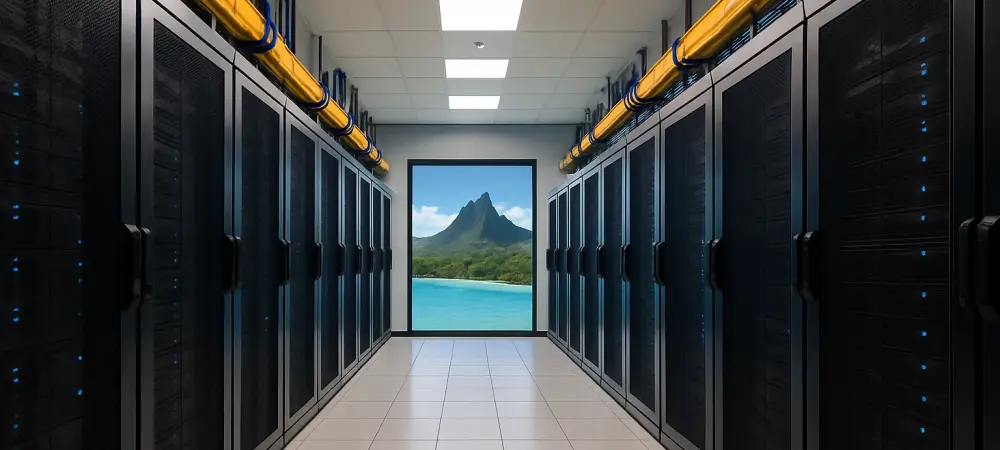
Imagine a region of over 100 islands scattered across thousands of kilometers in the South Pacific, where access to reliable digital infrastructure is not just a luxury but a lifeline for economic and social progress. French Polynesia, an overseas collectivity of France, faces precisely this challenge, with its geographic isolation creating significant barriers to modern connectivity. In 2025, Télédiffusion de France (TDF), a leading French broadcast infrastructure company, has stepped into this void with the launch of a cutting-edge data center in Papeete, the capital of French Polynesia. This development is not merely a local milestone; it represents a transformative shift in how remote territories integrate into the global digital economy.
This market analysis explores the strategic implications of TDF’s initiative, delving into the trends driving digital infrastructure growth in isolated regions. It examines how this project aligns with broader industry movements toward digital sovereignty, sustainability, and localized solutions. The purpose of this analysis is to uncover the potential impacts on regional markets, assess competitive dynamics, and forecast future opportunities for stakeholders in similar territories. By dissecting current patterns and projecting growth trajectories, this discussion aims to provide actionable insights for businesses, policymakers, and tech providers navigating the complexities of overseas digital expansion.
The significance of such a move extends beyond French Polynesia. As digital transformation becomes a cornerstone of global economic strategies, understanding how companies like TDF address unique regional challenges offers a blueprint for bridging digital divides elsewhere. This analysis sets the stage for a deeper look into market forces, technological innovations, and strategic partnerships shaping the future of connectivity in remote areas, highlighting why this seemingly small-scale project carries outsized importance for the tech infrastructure sector.
Market Trends and In-Depth Analysis of Digital Infrastructure
Rising Demand for Localized Data Solutions in Remote Territories
The global digital infrastructure market is witnessing a surge in demand for localized data centers, particularly in remote and underserved regions. French Polynesia exemplifies this trend, where sparse population distribution across vast distances has historically limited access to high-speed, secure digital services. TDF’s entry into this market with a facility in Papeete addresses a critical gap, catering to local businesses such as the Bank of Polynesia and Axians Polynesia, which require robust data storage and processing capabilities. Market data suggests that regions like this, often overlooked by major tech providers, are becoming focal points for growth as digital dependency in sectors like education, commerce, and governance increases.
This trend toward localization is fueled by the need for reduced latency and enhanced service reliability, key benefits of edge computing. Industry reports indicate that edge data centers, positioned closer to end-users, are expected to grow at a compounded annual rate of over 20% from 2025 to 2030, driven by applications requiring real-time data processing. TDF’s strategic focus on such technology positions it as a frontrunner in capturing this emerging segment, especially in overseas territories where traditional infrastructure models are impractical due to logistical constraints.
Moreover, the competitive landscape in French Polynesia reveals a niche but growing market. While other players, such as Tahiti Nui Fortress, offer data services, TDF’s established presence in the region since the 1980s—initially through television broadcasting—provides a unique advantage. This historical foothold, combined with a tailored approach to infrastructure, suggests that TDF could dominate the local market share, setting a precedent for how legacy companies can pivot into digital realms while leveraging existing assets.
Digital Sovereignty as a Market Driver
Another pivotal trend shaping the digital infrastructure market is the escalating emphasis on digital sovereignty. Governments and enterprises worldwide are prioritizing control over data to mitigate cybersecurity risks and ensure compliance with national regulations. In French Polynesia, TDF’s new data center in the Pic Rouge area of Papeete directly responds to this demand by offering locally managed digital services, aligning with France’s broader strategy to secure its digital assets across overseas territories.
This focus on sovereignty is not just a policy concern but a significant market differentiator. Businesses in remote regions, wary of relying on foreign-hosted data solutions, are increasingly seeking providers that guarantee local control. TDF’s ability to meet this need enhances its appeal to potential clients, from financial institutions to tech service providers, creating a ripple effect in market dynamics. Projections indicate that sovereignty-driven demand could account for a substantial portion of infrastructure investments in overseas regions over the next five years, with annual growth rates potentially exceeding 15% through 2030.
However, challenges persist in balancing security with operational costs. The high expense of maintaining infrastructure in isolated areas like French Polynesia poses a barrier to scalability, requiring innovative cost-sharing models or government incentives. TDF’s success in navigating these hurdles could influence market standards, encouraging competitors to adopt similar sovereignty-focused strategies while adapting to regional economic constraints, thus reshaping the competitive environment.
Sustainability as a Competitive Edge in Infrastructure Development
Sustainability has emerged as a defining factor in the digital infrastructure market, particularly for data centers notorious for their high energy consumption. TDF’s facility in Papeete incorporates a heat recovery system and has implemented photovoltaic panels on its roof as of this year, reflecting an industry-wide shift toward eco-friendly practices. This is especially critical in the Pacific, where environmental vulnerabilities to climate change amplify the need for responsible tech development.
Market analysis reveals that green data centers are not just a trend but a competitive necessity, with over 60% of global tech infrastructure investments now prioritizing energy efficiency. In regions like French Polynesia, where natural resources for maintenance are limited, sustainable design offers both cost savings and reputational benefits. TDF’s commitment to reducing its carbon footprint positions it favorably against competitors, potentially attracting environmentally conscious clients and partnerships.
Looking ahead, the integration of renewable energy sources and advanced energy optimization technologies, such as AI-driven systems, is expected to redefine market expectations. Forecasts suggest that by 2028, sustainability metrics could become a primary criterion for infrastructure contracts in sensitive regions, pushing companies to innovate or risk losing market relevance. TDF’s early adoption of such practices could serve as a model, influencing investment patterns and regulatory frameworks across similar markets.
Strategic Expansion and Regional Adaptation
TDF’s broader portfolio, encompassing multiple data centers in mainland France and over 100 edge facilities, underscores its strategic intent to dominate diverse geographic markets. The Papeete data center, though smaller in scale, is a critical component of this expansion, leveraging an existing broadcasting building for cost-effective deployment. This adaptive reuse strategy highlights a growing market preference for efficient resource utilization, particularly in regions where new construction is prohibitively expensive.
French Polynesia’s role as a landing point for trans-Pacific cables, such as Google’s Halaihai and Hawaiki Nui, further elevates its strategic importance in the global connectivity market. TDF’s presence in this hub enhances its positioning within the broader digital ecosystem, potentially attracting international partnerships. Market projections estimate that cable landing regions could see infrastructure investments double by 2027, driven by increasing data traffic across the Pacific, offering TDF significant growth opportunities.
Nevertheless, regional adaptation remains a complex challenge. Unlike mainland facilities, the Papeete center must cater to lower population density and unique demand patterns, requiring customized solutions. Industry insights suggest that successful market penetration in such areas hinges on collaboration with local stakeholders and sensitivity to cultural and environmental contexts. TDF’s planned expansion of the facility by 2026 indicates a long-term commitment to refining this approach, potentially setting benchmarks for market entrants in other remote territories.
Reflecting on Market Impacts and Strategic Pathways
Looking back, the launch of TDF’s data center in French Polynesia in 2025 marked a significant turning point for digital infrastructure in remote regions. It highlighted the growing market potential of overseas territories, where localized, secure, and sustainable solutions addressed longstanding connectivity gaps. The initiative underscored key industry trends, from the rise of edge computing and digital sovereignty to the imperative of green technology, while positioning TDF as a leader in navigating the complexities of regional adaptation.
The implications of this development were far-reaching, offering valuable lessons for stakeholders across the tech infrastructure sector. Businesses looking to expand into similar markets should consider prioritizing partnerships with local entities to build trust and ensure relevance, as TDF did with clients like the Bank of Polynesia. Policymakers, on the other hand, could play a pivotal role by crafting incentives that encourage sustainable and sovereignty-focused investments, fostering economic resilience in isolated areas.
Moving forward, the focus should shift to scalable models that balance profitability with social impact. Exploring innovative financing mechanisms, such as public-private partnerships, could mitigate the high costs of remote infrastructure projects. Additionally, investing in technologies like 5G integration and AI-driven optimization might further enhance service delivery, ensuring that even the most distant regions remain competitive in a digital-first world. TDF’s journey in French Polynesia serves as a compelling case study, urging the industry to rethink strategies for equitable connectivity on a global scale.