

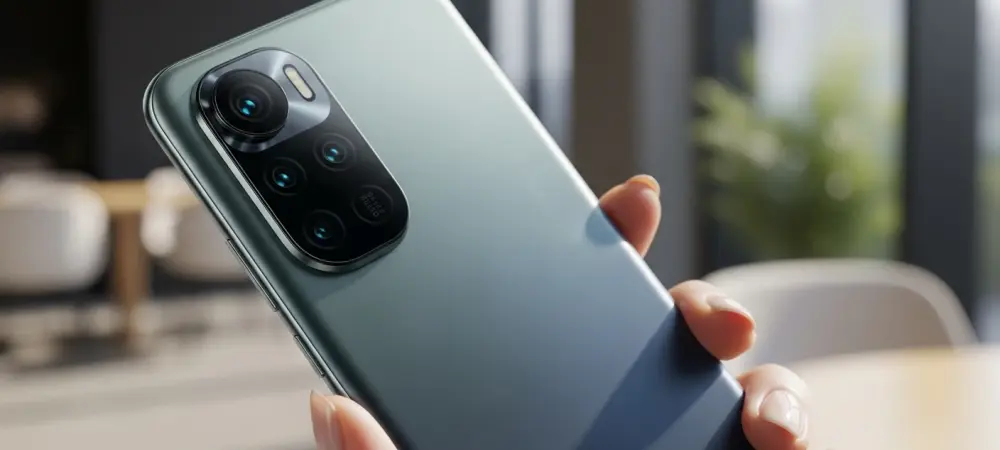
The long-standing conflict between high-capacity power reservoirs and the sleek aesthetics of modern smartphones has finally reached a technological ceasefire with the arrival of the newest flagship hardware. This engineering milestone effectively ends the era where users had to sacrifice slim designs for the sake of multi-day endurance. By rethinking the internal architecture of mobile devices, developers have managed to bridge a gap that previously seemed insurmountable due to the physical limitations of lithium-ion technology.
The recent arrival of the Huawei Nova 16 Pro and Ultra models represents a significant expansion of a smartphone lineup that prioritizes both form and function. By integrating massive battery capacities with cutting-edge displays, these devices have set a new benchmark for the mid-to-high-range market. This development challenges the entire industry to rethink the relationship between device thickness and operational longevity, positioning these handsets as high-performance tools for a demanding digital era.
Defying Traditional Design Constraints: The 7.1mm Ultra-Thin Profile
The engineering required to house a 7,000mAh battery within a chassis measuring a mere 7.1mm in thickness represented a paradigm shift in industrial design. Traditionally, increasing battery capacity necessitated a proportional increase in physical volume, often resulting in bulky or heavy handsets that compromised the user experience. By utilizing a high-density cell architecture, the designers maintained a slender profile that felt ergonomic while delivering power levels usually reserved for much larger tablets.
This spatial optimization was not merely about the battery itself but involved a complete reimagining of the internal motherboard and cooling systems. Every millimeter of internal real estate was accounted for, allowing for a 6.84-inch display to coexist with a power source that eclipsed the industry standard of 5,000mAh. The achievement signaled a new era where consumers no longer had to choose between a fashionable device and one that lasted through multiple days of intensive, uninterrupted use.
The Critical Role: Battery Longevity in the Modern Mobile Landscape
Modern mobile lifestyles in the current year demand a level of uptime that previous generations of hardware simply could not sustain. Between the rise of high-fidelity mobile gaming and the constant background processing of sophisticated software, the traditional battery cycle became a significant obstacle to personal productivity. The introduction of such massive capacity addressed a growing anxiety regarding charging availability in a world that is always connected and constantly moving.
Furthermore, the series positioned itself as a primary tool for individuals who operated far beyond the reach of standard power outlets for extended periods. While most competitors focused on incremental camera updates, the emphasis here shifted toward reliability and the freedom to travel without carrying external power banks. This strategic pivot acknowledged that the most advanced mobile features are essentially useless if the device cannot remain powered through a full day of professional or creative work.
Examining the Synergy: Kirin 9010S Silicon and High-Density Power Cells
The secret to this unprecedented endurance lies within the deep integration of the Kirin 9010S chipset and the HarmonyOS 6.1 operating system. Unlike generic hardware configurations, this proprietary stack allowed for granular control over energy consumption, ensuring that background tasks did not unnecessarily drain the massive 7,000mAh reserve. This synergy meant that the silicon operated at peak efficiency, only drawing significant current when the user engaged in demanding tasks like video rendering.
Additionally, the use of high-density power cells allowed for more energy to be packed into a smaller footprint than ever before in the mobile sector. These cells utilized advanced chemical compositions that remained stable under the stress of 100W wired fast charging, which both the Pro and Ultra versions supported. The Ultra model further enhanced this by including 50W wireless charging, providing a versatile power management system that catered to different user environments without compromising the structural integrity of the phone.
Validating Efficiency: LTPO Technology and Ruggedized Protection
Battery capacity is only half of the equation; the other half is how effectively that power is preserved during active screen time. The inclusion of a 6.84-inch OLED LTPO display played a central role in this efficiency, as it featured an adaptive refresh rate that scaled dynamically from 1Hz to 120Hz. By dropping the refresh rate during static tasks, such as reading a document, the screen drastically reduced its energy footprint compared to traditional high-refresh panels.
Durability also factored into the overall longevity and reliability of the hardware in various environmental conditions. The use of Kunlun Glass and high-frequency PWM dimming protected both the physical screen and the vision of the user, ensuring the device remained functional under harsh light or physical stress. With IP68 and IP69 ratings on the Ultra variant, the series provided a ruggedized experience that complemented the massive battery, allowing the hardware to survive stressors that typically shorten the lifespan of electronics.
Actionable Frameworks: Powering Professional Media and Satellite Connectivity
The integration of a 200-megapixel RYYB sensor and a periscope telephoto lens required a robust power framework that the 7,000mAh battery successfully provided. These high-resolution components, alongside the innovative color sensors, demanded significant processing power and sustained energy for long professional shoots. The hardware proved that professional-grade photography was sustainable in a mobile format without the constant threat of a depleted battery by the afternoon. Ultimately, the series established a blueprint for the future of mobile connectivity by prioritizing energy density and satellite navigation capabilities. The inclusion of Wi-Fi 7 and Bluetooth 6 ensured that the devices remained at the cutting edge of wireless standards, while the massive battery supported long-term satellite tracking for global travelers. This evolution demonstrated that the next phase of smartphone development would likely focus on maximizing internal efficiency to support increasingly complex computational demands.