

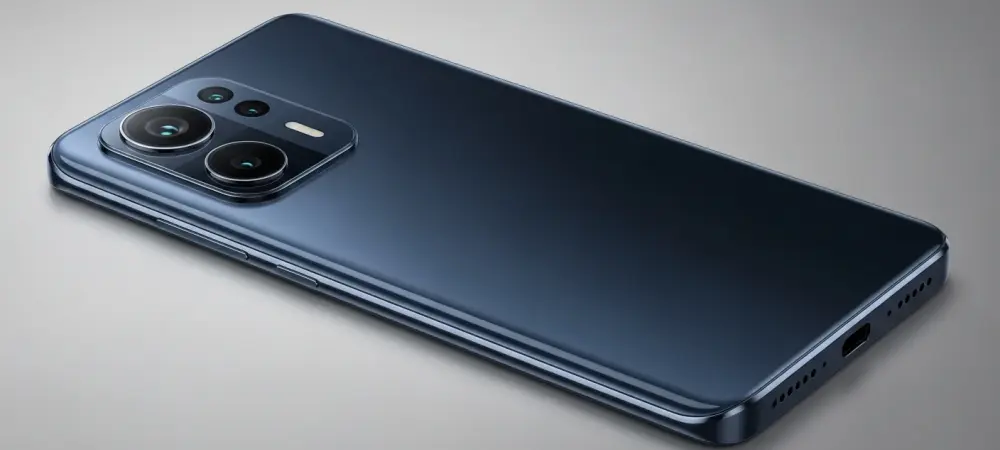
The sudden shift in Xiaomi’s pricing strategy for the latest 17T series marks a definitive departure from the brand’s long-standing reputation as a provider of budget-friendly flagship alternatives. For years, the T-series served as the sweet spot for consumers who craved top-tier performance without the stinging costs associated with established luxury brands. However, the current release landscape suggests that the gap between the standard flagship line and the T-series has nearly evaporated, leaving many loyalists questioning the value proposition of these newer models. This transition reflects a broader industry trend where rising component costs and advanced AI integration demand higher retail prices across the board. The 17T series now competes directly with the heavyweights of the mobile world, shifting from a “flagship killer” status to a “flagship peer.” As the market adjusts to these higher price points, understanding whether the hardware justifies the expense requires a deep look into the technological leaps made this year.
Evolution of Hardware: Pushing Boundaries beyond Mid-Range
Integrating the latest Snapdragon 8 Gen 5 processor alongside the specialized Leica Summilux lens system represents a significant investment in core mobile technology. This combination is not merely a marginal improvement but a complete overhaul of how the device handles computational photography and sustained gaming performance. The thermal management system has also seen a drastic redesign, utilizing a dual-vapor chamber setup that allows the 17T Pro to maintain peak clock speeds longer than its predecessors. This level of engineering was previously reserved for the Ultra models, but its inclusion here explains a large portion of the increased manufacturing costs. Furthermore, the 17T series introduces a satellite communication feature that works seamlessly with global emergency networks, providing a safety net for users in remote areas. These features push the device into a category where the “budget” label no longer fits, as the specifications now rival the most expensive handsets currently on the market.
Material Engineering: Enhancing Structural Integrity and Display
Beyond the internal processing power, the physical construction of the 17T Pro has transitioned toward more durable and premium materials like Grade 5 titanium and recycled ceramic. This shift significantly enhances the structural integrity and hand-feel of the device, moving away from the plastic or thin aluminum frames of the past. The display technology also features a 144Hz LTPO 4.0 panel that manages power efficiency more effectively than previous iterations, reaching peak brightness levels that exceed 4,000 nits. Such high-end display panels are notoriously expensive to source, yet they provide the visual clarity necessary for HDR10+ and Dolby Vision content consumption at a professional level. When considering the inclusion of 120W wired charging and 50W wireless capabilities, the package begins to look more like a primary flagship than a compromise. The manufacturing complexity involved in fitting these advanced systems into a sleek chassis naturally drove the retail price into the premium segment.
Strategic Outlook: Market Positioning and Long-Term Value
The evaluation of the latest series determined that while the price increase was substantial, the technological gains provided a sturdy foundation for the new market position. Potential buyers were encouraged to look past the sticker shock and consider the long-term utility of the titanium build and the extended software support cycle. It became clear that the best strategy for consumers involved assessing their personal need for high-end photography and satellite connectivity before committing to the upgrade. Those who required a durable device for professional-grade media creation found that the investment was justified by the superior Leica optics and processing efficiency. Moving forward, the focus shifted toward how well these devices would hold their trade-in value compared to their predecessors. Ultimately, the transition to a premium pricing model succeeded because the product quality met the expectations of a more demanding audience. Future considerations now involve monitoring the stability of the global supply chain.