

Introduction
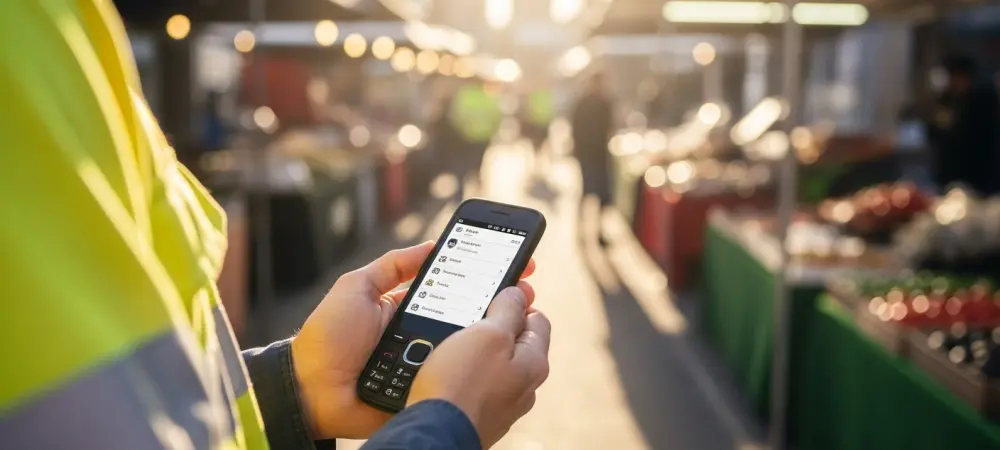
Finding a reliable mobile device that survives the unpredictable challenges of a demanding outdoor lifestyle often requires a significant financial investment. However, the launch of the Itel Aqua at Rs. 1,799 challenges this notion by offering rugged specifications in an affordable package. As the debut handset in the new Inno Series, this device targets users who need durability without the high cost of a smartphone.
This article examines whether the Itel Aqua provides enough value and resilience to lead the budget segment. It covers physical durability, modern charging standards, and specialized communication tools available in the device. Readers can expect to learn how this handset bridges the gap between basic connectivity and extreme environmental resistance.
Key Questions: Key Topics Section
Why Is the IP67 Rating Significant for This Device?
Most budget phones prioritize low prices over physical protection, making them susceptible to damage from dust and water. In demanding work environments, a single accidental drop or a sudden downpour often results in total hardware failure. The Itel Aqua addresses this vulnerability by incorporating an IP67 rating, which is rarely seen in this price category.
This certification ensures the phone remains protected against dust ingress and can withstand immersion in water for short periods. For users working in construction, farming, or other outdoor sectors, this resilience provides peace of mind. It effectively extends the hardware lifespan, ensuring the device remains functional even after exposure to harsh conditions.
How Does the Hardware Support Daily Use in Difficult Environments?
Outdoor usability depends heavily on display visibility and battery reliability. The Itel Aqua features a 2.4-inch display with high brightness levels, specifically designed to remain legible under direct sunlight. This ensures that users can read messages and navigate menus without straining their eyes while outdoors during the day. Furthermore, the 1,200mAh battery utilizes a modern USB Type-C charging port, simplifying the user experience by aligning with contemporary cables. The integration of AI Environmental Noise Cancellation further enhances utility by filtering out background sounds during voice calls. These hardware choices prioritize clear communication and ease of maintenance for the average user.
What Connectivity and Accessibility Features Are Included?
Linguistic diversity is a cornerstone of the Indian market, requiring devices to support multiple regional languages for effective use. The Itel Aqua includes support for ten languages and features the King Voice assistant for audible menu prompts in English and Hindi. This makes the device accessible to a wider demographic that may prefer spoken guidance over written text.
Beyond voice support, the handset offers wireless FM radio, Bluetooth file sharing, and expandable storage up to 32GB. It can store 1,000 contacts and 250 messages, providing ample space for essential communication data. A VGA camera and automatic call recording add layers of functionality that are often missing in more basic entry-level models.
Summary: Key Recap
The Itel Aqua provides a unique combination of ruggedness and modern technology for the budget-conscious consumer. Its IP67 rating and USB Type-C charging set it apart from traditional feature phones that often lack environmental protection. These features ensure the device remains a practical choice for those in challenging work environments.
Accessibility remains a strong point with the inclusion of regional language support and AI noise cancellation. The device serves as a reliable communication tool that balances physical durability with essential digital features. It represents a significant step toward bringing premium construction standards to the wider Indian mobile market.
Conclusion: Final Thoughts
The market moved toward prioritizing durability and functional design for everyday users. People discovered that selecting a device with certified water resistance prevented frequent replacement costs associated with environmental damage. Evaluating these rugged options allowed for a more sustainable approach to mobile ownership in demanding climates.
The transition to standardized charging and noise reduction technology provided a better overall experience for the consumer. Future considerations focused on how these entry-level innovations improved communication reliability across different industries. Choosing a resilient handset became a logical step for those seeking long-term value and dependable performance.