

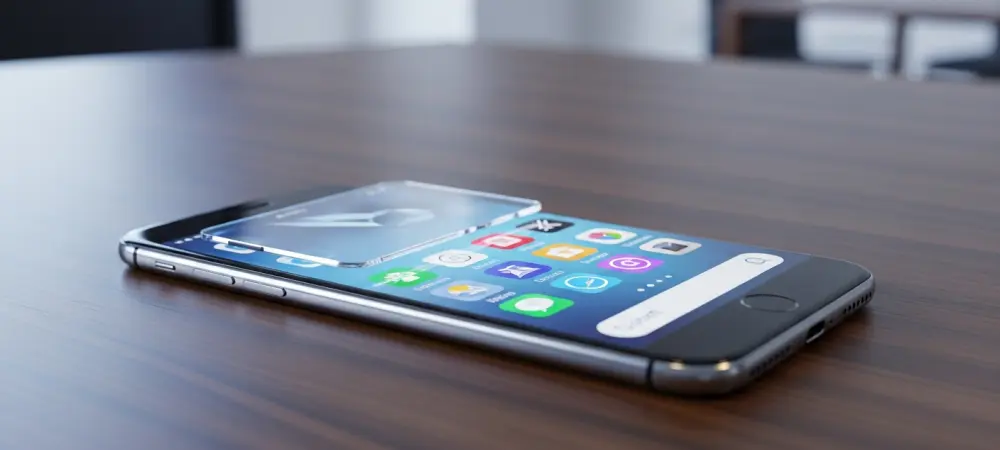
The transition from high-concept experimental software to a stable consumer environment represents the ultimate test for any mobile operating system attempting to maintain market dominance in a competitive landscape. With the arrival of iOS 27 Beta 5, the focus has shifted decisively away from the introduction of sweeping new features and toward the meticulous refinement of the core user experience. This developmental phase serves as a vital bridge, ensuring that the software matures from a testing platform into a high-performance engine capable of supporting the next generation of hardware. By prioritizing system stability and visual cohesion, developers are effectively laying the groundwork for a seamless public rollout. This strategic pivot highlights the necessity of fine-tuning existing elements to meet the rigorous demands of a global audience that expects nothing less than perfection. As the mid-September deadline approaches, the emphasis on optimization ensures that the ecosystem remains resilient and intuitive for millions of users worldwide.
Enhancing Visual Consistency and Functional Utility
Modernizing the Interface: The Evolution of Liquid Design
The visual architecture of the operating system has undergone a significant transformation through the implementation of “liquid” design elements that enhance depth and clarity across the interface. A prominent example of this aesthetic evolution is the complete overhaul of the Find My application, which now features a glass-like navigation bar that provides a more immersive and intuitive navigation experience. This modernization effort extends to Siri, whose visual presence has been minimized to ensure that user interactions remain fluid and non-intrusive across various complex tasks. Furthermore, the restoration of historical memory within Spotlight search significantly boosts daily productivity by allowing users to instantly recall previous queries without the need for repetitive manual input. These subtle yet impactful adjustments create a more cohesive visual language that aligns with contemporary design standards. By focusing on these granular details, the software provides a more professional feel that improves overall user satisfaction.
Streamlining Transactional Utility: Integrated Digital Receipts
Transactional transparency has been elevated to a new standard with the integration of Apple Pay receipts directly into third-party applications, simplifying financial tracking for modern users. In previous iterations, verifying a purchase often required navigating away from a specific app to access the Wallet or a separate banking statement, which created unnecessary friction in the digital workflow. This update bridges that gap by allowing users to view detailed transaction histories within the context of the application they are currently using. This approach not only saves time but also reinforces a sense of security and control over personal spending habits in an increasingly digitized economy. The ability to access financial data seamlessly without disrupting the user journey demonstrates a commitment to functional utility over mere aesthetic appeal. Such refinements suggest that the platform is moving toward a more holistic integration of services that prioritizes the convenience and privacy of the individual user.
Optimizing Technical Performance and Stability
Maximizing Efficiency: Power Management and Hardware Benchmarks
Technical performance remains a cornerstone of the Beta 5 release, with substantial advancements in power management and system stability that indicate the software is nearing its final form. Early development versions of software are notoriously demanding on hardware, but this latest iteration showcases deep optimizations that significantly extend battery life even under heavy workloads. Benchmarking data from Geekbench 6 confirms the robustness of the system, with single-core scores averaging 3,834 and multi-core performance reaching the impressive 10,000 threshold. These numbers prove that the operating system is fully equipped to handle resource-intensive tasks, such as 4K video editing and high-fidelity gaming, without compromising the device’s thermal efficiency. The focus on “under-the-hood” improvements ensures that the software can maximize the potential of the underlying hardware components. This level of technical maturity is essential for providing a reliable foundation for the upcoming suite of devices entering the market.
Refining Development: The Shift to a Weekly Release Cadence
The acceleration of the development roadmap is perhaps the clearest indicator that the software is approaching the Release Candidate stage of its life cycle. By transitioning from a traditional bi-weekly update schedule to a more aggressive weekly cadence, developers can address minor bugs and incorporate user feedback with much greater precision and speed. This rapid-fire deployment strategy ensures that any lingering issues are identified and resolved before the platform reaches the general public, thereby minimizing the risk of launch-day instability. Such a rigorous testing environment allows for the fine-tuning of system processes that might otherwise go unnoticed during a slower development cycle. This transition signals a move from experimental feature testing to the final polishing of the user interface and system kernel. As a result, the platform becomes increasingly feature-complete and stable, ensuring that the software performs with maximum reliability during high-stakes global product unveilings.
Finalizing the Launch Strategy
Synchronizing Readiness: Preparing for the Global Release
Coordinating the software launch with the arrival of new hardware components is a strategic maneuver designed to provide a unified experience for the entire consumer base. The public release, scheduled for approximately September 14, aligns perfectly with the debut of the next generation of smartphones, ensuring that early adopters can utilize the latest software capabilities immediately. This synchronization allows the operating system to take full advantage of the specialized processing power and camera technology found in the new devices from day one. By perfecting the software through these incremental beta stages, the transition for millions of existing users was made significantly smoother, reducing the potential for compatibility issues. The alignment of software readiness and hardware availability is a testament to the meticulous planning required to maintain a seamless global ecosystem. This synchronized approach ensures that the debut of the operating system is met with high levels of confidence.
Evaluating the Impact: Final Thoughts on System Maturity
The refinement process established by the final beta cycles successfully transitioned the mobile environment into a state of high-performance reliability and visual sophistication. By addressing both the aesthetic consistency of the interface and the technical efficiency of the system kernel, the update prepared the ecosystem for the rigorous demands of the modern digital landscape. Users who participated in the testing phases identified critical areas for improvement, leading to a more robust and responsive final product. Moving forward, individuals should prioritize backing up their data before the official rollout to ensure a seamless transition to the stable version of the operating system. It was essential for developers to focus on power management and transactional transparency to meet the evolving expectations of the consumer base. As the platform matured, it provided a clear roadmap for future software iterations that will continue to build upon this foundation of stability and user-centric design.