

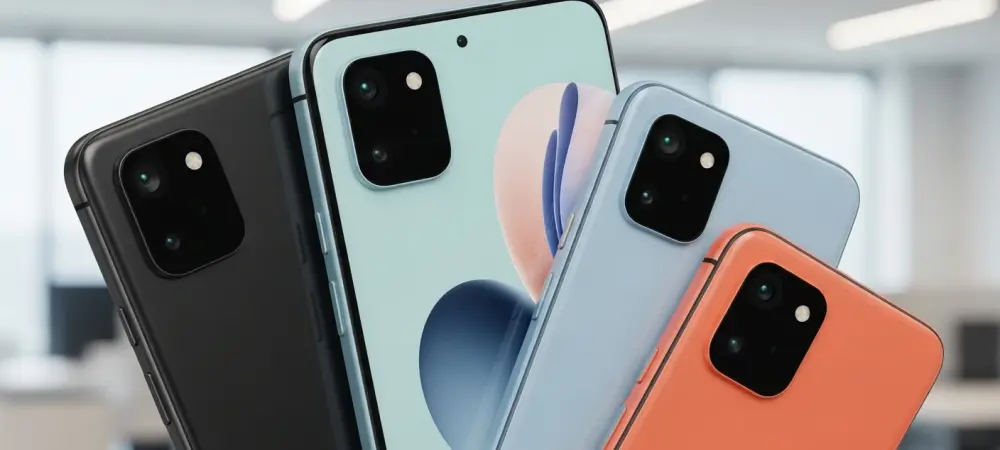
The Dawn of a New Hardware Era for Google’s Flagship Ecosystem
The sheer magnitude of technical data spilling onto the internet ahead of the scheduled August 12 Made by Google event suggests a seismic shift in how the search giant intends to compete within the increasingly crowded premium hardware market. Industry observers suggest that Google is pivotally moving toward a strategy where hardware finally matches its software prowess. The anticipated release of four distinct models indicates a desire to saturate the market at various price points. This expansion transforms the Pixel from a boutique choice for Android enthusiasts into a formidable ecosystem capable of standing toe-to-toe with established titans.
Moreover, this roadmap reveals a company no longer content with being the underdog. By diversifying the Pro lineup, Google acknowledges that flagship consumers have varying needs regarding size and form factor. The leaked data points to a refined aesthetic and a more robust internal framework that signals a departure from the experimental phases of earlier generations. Market commentators note that this aggressive posture is necessary to capture a larger share of the premium segment, where brand loyalty is often dictated by hardware reliability and consistent performance.
Analyzing the Technical Foundation and Core Hardware Evolution
The Tensor G6 Paradigm and Unified System Architecture
Analysts point to the Tensor G6 as the definitive turning point for the series. Unlike earlier iterations that sometimes struggled with efficiency, this custom-engineered silicon is built from the ground up for the localized processing required by Android 17. By placing this same chip across the entire lineup, Google ensures a consistent baseline for performance and artificial intelligence integration. This unified approach allows the company to optimize its software across multiple devices simultaneously, reducing the fragmentation that often plagues the Android ecosystem.
Technological experts also highlight the importance of the Titan M3 security coprocessor, which remains a staple for protecting sensitive user data. However, the success of this unified architecture will largely depend on whether Google has finally resolved previous issues with thermal throttling. If the G6 can maintain sustained high performance during intensive tasks, it could redefine the Pixel as a powerhouse for both professional productivity and mobile gaming. This shift toward high-performance silicon is seen as a prerequisite for the more advanced AI features planned for the coming years.
Divergent Display Technologies and the Pro Series Expansion
The distinction between the standard and Pro models becomes most apparent when examining the leaked display specifications. While the base Pixel 11 offers a very bright 3,000-nit Actua OLED panel, the Pro variants push boundaries with Super Actua LTPO screens reaching 3,600 nits. This provides a significant advantage for visibility in bright outdoor environments, a metric where competitors have historically held a slight edge. The use of LTPO technology further ensures that battery life is preserved through variable refresh rates. The introduction of the Pro XL model provides a larger 6.8-inch alternative for those who find the standard 6.3-inch frame too small. Industry commentators note that offering the same high-end internal specs in two different sizes mimics a successful strategy used by other major manufacturers. This ensures that users do not have to compromise on camera features or processing power simply because they prefer a more compact or more expansive screen. This choice reflects a mature understanding of consumer demographics and their ergonomic preferences.
Redefining Mobile Photography with Sophisticated Optical Arrays
Photography remains the primary draw for the Pixel brand, and the newest leaks suggest a move toward more powerful physical sensors. The Pro models are expected to feature a 48-megapixel periscope telephoto lens with 5x optical zoom. This shift indicates that Google is supplementing its legendary post-processing software with the high-quality glass necessary to capture superior detail at long distances. Experts believe this combination of raw hardware and AI-driven image synthesis will set a new benchmark for mobile photography.
In contrast, the foldable model requires a different approach due to its thin profile. It utilizes a 10.8-megapixel periscope lens, which still offers significant reach but accommodates the physical constraints of a folding chassis. Critics observe that while software still does much of the heavy lifting, the increased raw sensor data will likely improve low-light performance and color accuracy across all photography modes. This strategic sensor selection ensures that every model in the lineup remains competitive in its respective category.
The Foldable Frontier and the Challenge of Specialized Form Factors
The Pixel 11 Pro Fold stands out as the most complex engineering feat in the current roadmap, featuring a massive 8-inch internal display. Balancing a device that functions as both a phone and a tablet requires significant structural innovation and software refinement. Despite these challenges, the device maintains the same Tensor G6 core, though it necessitates a side-mounted fingerprint scanner to function correctly in both folded and unfolded states. This hardware parity is crucial for justifying its position as a top-tier flagship.
Furthermore, the 6.4-inch cover screen ensures that the device remains usable for quick tasks without needing to open the main display. Experts suggest that the success of this model will hinge on whether the refined hinge and lighter materials can justify its steep $1,899 price tag. It represents a commitment to the future of mobile computing, even as the segment remains a specialized niche. The focus here is on providing a seamless transition between screen states, which remains the ultimate goal for foldable technology.
Strategic Implementation and Consumer Considerations for Potential Buyers
Prospective buyers should carefully consider the value proposition of the $899 starting price for the base model. With 16GB of RAM standard on the Pro versions, Google is clearly prioritizing the longevity of these devices in an era of intensive AI applications. This increased memory overhead is vital for ensuring that future software updates do not degrade the user experience over time. It also allows for more complex background processes without the aggressive task killing seen in devices with less memory.
The adoption of the Qi2 wireless charging standard is another significant update for consumer convenience. This brings magnetic alignment and better charging efficiency, finally aligning the Pixel with broader industry trends. Potential users must weigh these hardware advancements against the price hike, as the series now firmly occupies the most expensive tier of the smartphone market. For many, the promise of seven years of software support and the latest security features will be the deciding factor in making the switch.
Synthesizing the Impact of the Pixel 11 Series on the Smartphone Landscape
The comprehensive leaks surrounding the Google Pixel 11 series revealed a company that was finally prepared to compete on pure hardware merit. By standardizing high-end silicon and memory across its entire flagship ecosystem, Google signaled a long-term commitment to performance and reliability. The expansion of the Pro lineup indicated that the transition from a niche brand to a mainstream powerhouse was nearly complete. This strategy successfully positioned the brand as a primary alternative for those seeking a premium Android experience.
The next steps for the industry involved observing real-world thermal performance once the hardware arrived on shelves. While the technical specifications were impressive on paper, the true test lay in how the Tensor G6 handled the demands of daily use over an extended period. The ultimate consideration remained whether these hardware leaps translated into a seamless and enduring user experience that justified the premium investment. Future buyers were encouraged to look toward professional endurance tests to confirm if the hardware finally matched the ambitious promises of the software.