

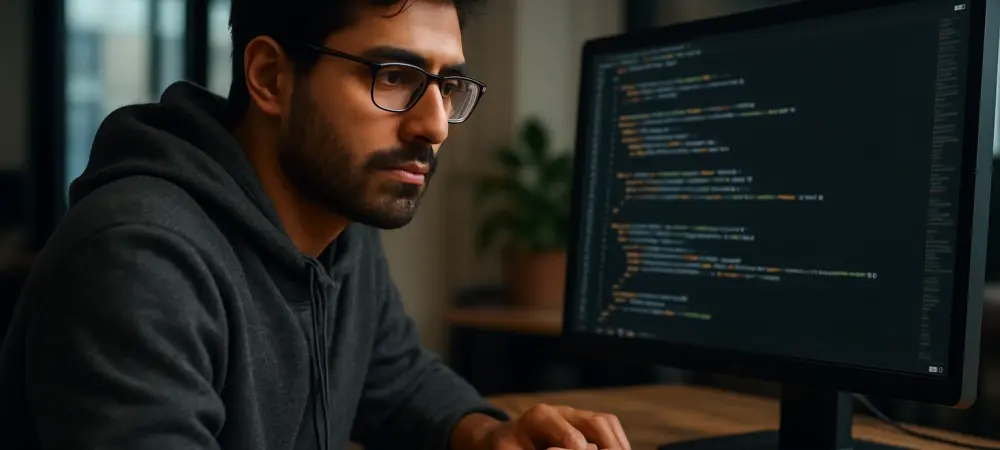
I’m thrilled to sit down with Dominic Jainy, a seasoned IT professional whose deep expertise in artificial intelligence, machine learning, and blockchain has made him a standout in the tech world. With a passion for applying these cutting-edge technologies across diverse industries, Dominic offers a unique perspective on the evolving role of developers. In this interview, we dive into how AI is reshaping coding workflows, the challenges of maintaining work-life balance, and the personal and professional hurdles developers face in today’s fast-paced environment.
How has AI changed the way you approach your daily work as a developer?
AI has been a game-changer for me. It’s like having a super-smart assistant that’s always on call. I use it for everything from debugging code to generating boilerplate scripts, which saves me hours of repetitive work. It’s also pushed me to level up my skills—seeing how AI handles complex problems inspires me to think more creatively. That said, I’m cautious about over-reliance. Sometimes, AI spits out solutions that don’t quite fit, and I have to spend time tweaking them, which can be frustrating.
What specific tasks do you find yourself using AI for most often?
I lean on AI a lot for code optimization and testing. It’s incredible at spotting inefficiencies in my scripts or suggesting alternative approaches I hadn’t considered. I also use it for documentation—turning messy notes into clear, structured guides. Honestly, it’s become second nature to run almost every task through an AI tool just to see if there’s a faster way to get it done.
How do you feel about AI stepping into areas beyond coding, like marketing or other non-technical tasks?
I think it’s fascinating, though I’m not fully sold on it yet. AI can churn out decent content or analyze data for marketing campaigns, which is impressive, but it often lacks the human touch. I’ve experimented with it for writing project summaries to share with stakeholders, and while it’s helpful, I still have to heavily edit to get the tone right. I’m confident it’ll get better, but for now, I see it as more of a starting point than a complete solution for non-technical work.
When you’re stuck on a problem at work, do you tend to turn to AI or a colleague for help, and why?
More often than not, I go to AI first. It’s faster—no need to wait for someone to be available—and it gives me a starting point to work from. Plus, I can ask it anything without feeling like I’m bothering someone. But if I’m really stumped or need a nuanced perspective, I’ll reach out to a colleague. Human insight still wins when it comes to understanding the bigger picture or company-specific context.
Can you describe what your work-life balance looks like right now?
I’d say it’s decent, but it’s a constant juggling act. I’m lucky to have flexible hours, which helps, but the nature of development work—especially when deadlines loom—can make it hard to unplug. I try to set boundaries, like not checking emails after 7 PM, but I’ll admit I’m not always successful. There’s always this nagging feeling that I could be doing more, which can creep into personal time.
What strategies do you use to keep work stress from spilling into your personal life?
I’ve gotten better at compartmentalizing over the years. One thing that works for me is setting a hard stop at the end of the day—shutting down my laptop and physically stepping away from my workspace. I also make time for hobbies like hiking, which forces me to disconnect. It’s not foolproof, though; during crunch times, I still catch myself thinking about code at midnight. I’m working on being more mindful about switching off.
How do you manage stress when it builds up in your role as a developer?
Stress is definitely part of the gig, especially when projects go off the rails or timelines get tight. I try to break problems into smaller chunks so they don’t feel overwhelming. Taking short breaks to clear my head helps too—sometimes just stepping outside for five minutes does wonders. My company offers some wellness resources, like access to counseling, which I’ve used during particularly rough patches. It’s nice to know that support is there if I need it.
What are some of the biggest challenges you face in your job as a developer?
One of the toughest things is dealing with legacy systems. They’re often clunky, poorly documented, and just a headache to maintain. It feels like you’re fighting the code more than building something new. Another challenge is bridging the gap with non-technical team members. Misunderstandings happen a lot—trying to explain technical constraints in plain language can be exhausting, but I’ve learned to be patient and focus on the end goal we’re all working toward.
Has your career in tech ever created tension in your personal relationships, and if so, how do you handle it?
Yeah, it has. There’ve been times when I’m so wrapped up in a project that I’m not fully present at home, and that’s led to arguments with my partner. I try to be upfront about when I’m in a high-pressure phase and set expectations, like warning them I might be less available for a week or two. I also make a point to carve out quality time after those periods to reconnect. It’s not perfect, but communication helps keep things from boiling over.
Looking ahead, what’s your forecast for the role of AI in the development world over the next few years?
I think AI is only going to become more integrated into our workflows. We’re already seeing it handle more complex tasks, and I expect it’ll evolve to the point where it’s not just assisting but proactively suggesting entire project architectures or identifying potential issues before they arise. My hope is that this frees developers up to focus on the creative, strategic side of coding rather than the grunt work. But I also think we’ll need to grapple with ethical questions—like how much we trust AI decisions and where we draw the line on automation. It’s an exciting, if somewhat unpredictable, future.