

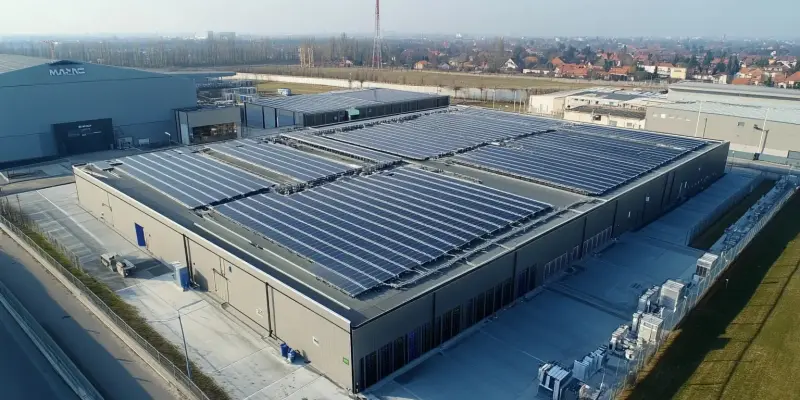
The urgent need to balance increasing data center demand with a clean power future is becoming more critical. Advancements in technology, digital innovation, societal trends, and changes in general manufacturing could potentially triple energy needs by 2030 in some markets. This rise in energy demand creates bottlenecks in energy grids, highlighting the necessity for innovative solutions and a place-based public-private partnership approach to develop effective, fit-for-purpose solutions. As we move forward, the growing reliance on digital infrastructure makes it imperative to find sustainable ways to power our data centers, ensuring that economic growth and environmental responsibility go hand in hand.
The Growing Energy Demand Challenge
Increasing energy demand, driven by various factors such as electrification and artificial intelligence, is expected to create significant challenges by 2030. Cities are facing the daunting task of meeting this rising demand while achieving climate goals, keeping costs affordable, and efficiently planning for current and future generations. As a result, the increasing power demand and potential shortages are emerging as the next big social and economic issue, affecting both development projects and everyday life. Compounding this is the fact that every generation, including the highly digitally proficient Gen Z, maintains a constant online presence, further amplifying energy requirements.
For instance, each ChatGPT query uses significantly more power than a Google search, highlighting the strain placed on existing systems. These growing energy demands are progressively becoming not just a technical concern but a critical social and economic issue that necessitates immediate attention. Powering the future sustainably is no longer optional but essential, as data becomes the backbone of modern society, driving e-commerce and AI advancements across various sectors. Therefore, addressing these challenges effectively will require coordinated efforts across multiple levels, involving both technological innovations and strategic planning to balance energy consumption with societal needs.
Innovative Solutions for Data Centers
Addressing these pressing challenges requires innovation in data center operations. In the United States, data centers in places like Minnesota face significant load-shedding challenges that necessitate strategic solutions. These include offloading non-critical systems during peak demand times and relying on backup generators to ensure continuous operations. However, some forward-thinking facilities, such as Iron Mountain, are taking more proactive measures by using 100% renewable power, implementing natural cooling techniques, establishing on-site solar power generation, and meeting BREEAM design certification standards.
Similarly, Canada is grappling with power limitations as provinces begin to restrict industrial expansion due to the inability to meet accompanying energy needs. In response, energy providers are becoming increasingly selective about granting access to power grids. This has prompted innovative solutions like leveraging data center waste heat for community benefits. An excellent example is in Quebec, where waste heat from data centers is used by greenhouses, thereby aiding the production of over 80,000 tonnes of food. These solutions not only help in conserving energy but also in providing tangible community benefits, showcasing how data centers can evolve to complement environmental and societal goals.
The Great Grid Update in the UK
The United Kingdom is proactively addressing its energy constraints with the Great Grid Update, the largest investment in the country’s grid since the 1960s. This ambitious initiative aims to overhaul the grid connections process by prioritizing projects that are ready for construction, thereby reducing the wait times for grid connections. Current wait times for some commercial and residential developments can be as long as 15 years, significantly delaying essential projects in areas already overburdened with data center proposals. This update is a critical step towards streamlining energy distribution and bridging the gap between energy supply and demand.
Such a significant overhaul poses substantial challenges for city planners and developers. Among these challenges is the difficult decision of whether to prioritize heating homes or businesses and determining which types of buildings should get priority space. These decisions raise critical questions about the importance of energy-efficient design, the potential necessity of making it a standard practice, and whether there should be mandated priority retrofits and clear national and local building codes. Successfully navigating these questions will be crucial to meeting energy demands without compromising on climate goals or development progress.
Balancing Energy Needs and Climate Goals
Balancing the escalating energy needs for data with ambitious net-zero goals and affordable housing solutions presents another layer of complexity. The issue of prioritizing land use for data centers in urban areas becomes glaring, as these facilities typically employ far fewer people compared to traditional employment uses. Addressing this imbalance involves broader considerations, such as pursuing denser development and exploring all available carbon reduction options. One promising alternative is the deployment of large battery storage systems for grid stabilization. This solution is rapidly expanding in the United States and could serve as a viable replacement for fossil fuels and nuclear energy.
These broader considerations also underscore the importance of making energy-efficient design a standard practice and ensuring that new technologies and policies prioritize both sustainability and efficiency. The solution lies not just in technological advancements but in a comprehensive strategy that balances climate, housing, and economic aspirations. By doing so, we can secure a better, more stable future for younger generations, such as Gen Z, and ensure a more equitable distribution of resources across all sectors of society.
Place-Based Public-Private Partnerships
The pressing need to reconcile the escalating demand for data centers with a clean energy future is increasingly vital. Advances in technology, digital innovation, societal shifts, and changes in manufacturing processes may potentially triple energy demands in certain markets by 2030. This surge in energy use results in bottlenecks within energy grids, stressing the importance of innovative solutions and collaborative, place-based public-private partnerships to develop effective, purpose-fit methods. As we progress, the heightened reliance on digital infrastructure makes it crucial to find sustainable ways to power our data centers, ensuring economic growth does not come at the expense of environmental responsibility. By leveraging renewable energy sources, improving energy efficiency, and encouraging innovative practices, we can help mitigate the environmental impact while meeting the growing digital demands. It is essential to strike this balance to sustain economic development and safeguard our planet for future generations.