

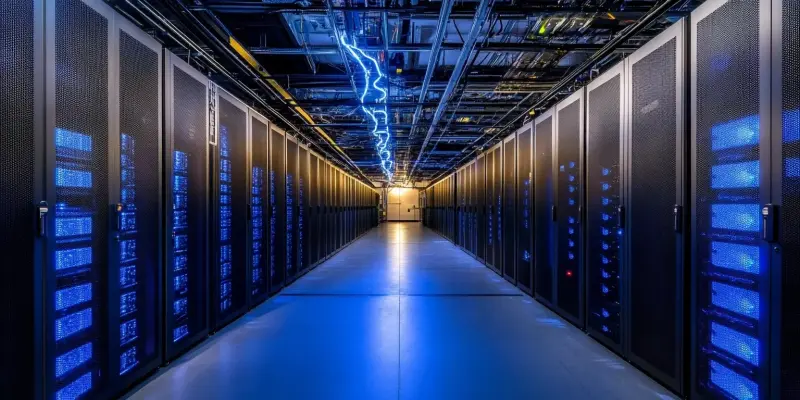
In an era dominated by immense data influxes and the increasing adoption of artificial intelligence, the global data center industry is gearing up for a dramatic transformation. According to JLL’s 2025 Global Data Center Outlook, an unprecedented 10 gigawatts (GW) of new capacity is projected to come online by 2025, marking a significant milestone in both the hyperscale and colocation sectors. This robust growth trajectory underlines a 15% average annual expansion expected through 2027, showcasing an era of remarkable opportunity and adaptation in data management.
Addressing Power Transmission Challenges
Rise of Secondary Markets
A fundamental challenge accompanying this expansion lies in addressing power transmission issues, especially in regions experiencing electricity constraints. The deployment of artificial intelligence has undoubtedly led to increased energy demands, thereby influencing the design and operational efficiency of data centers. Due to these intensified power needs, secondary markets with available affordable power and land have seen a corresponding surge in data center investments.
For instance, regions such as Richmond, south Dallas, west Chicago, Atlanta, Ohio, and northern Indiana have emerged as vital development hubs. These areas offer favorable conditions, including affordable and accessible land resources, which are instrumental in fostering data center growth. Furthermore, the geographical spread to these secondary markets reflects the broader industry strategy of mitigating risks associated with high energy costs and urban congestion, while amplifying infrastructure resilience.
Innovations in Sustainable Energy
Sustainability is another critical aspect of the evolving data center landscape, pushing the industry towards innovative energy solutions. The adoption of large-scale nuclear options and the development of small modular reactors (SMRs) symbolize the sector’s commitment to green energy alternatives. SMRs, in particular, offer a modular and scalable approach, potentially easing the strain on existing power grids and reducing carbon footprints. However, this innovation comes with its own set of challenges.
Specifically, widespread implementation of SMRs requires addressing significant regulatory barriers and overcoming public skepticism. Despite these hurdles, such sustainable solutions reflect the industry’s proactive stance on addressing environmental concerns and achieving long-term energy security. This forward-thinking approach is not only crucial for meeting regulatory demands but also aligns with global sustainability goals, further enhancing industry credibility and social responsibility.
Investment Surge Anticipations
Capital Investment and Development Obstacles
As the demand for digital infrastructure continues to skyrocket, investment in data centers is predicted to see robust growth, culminating in a landmark year in 2025. Standing out in this dynamic market, single-tenant, ground-up construction projects are expected to dominate, despite facing substantial barriers. For new investors, the high capital requirements and prolonged development timelines can be daunting, often dissuading participation.
Carl Beardsley, JLL Capital Markets US data center leader, highlighted that joint ventures could become a viable strategy, particularly in emerging markets. Joint ventures offer a pragmatic approach for navigating local regulatory landscapes and business hurdles, providing a collaborative pathway for realizing complex projects. Such strategic alliances not only mitigate risks but also create avenues for leveraging local expertise, thereby driving successful data center expansions.
Evolution of Merger and Acquisition Activities
Interestingly, while merger and acquisition (M&A) activities might experience a deceleration, the rise of joint ventures is poised to capture industry attention. Core investors have significant opportunities to recapitalize single-tenant centers, ensuring sustained momentum and financial vitality. These trends signal an evolving market landscape where collaborative financial strategies and shared investments become pivotal for driving sectoral growth.
In essence, as the data center industry undergoes rapid expansion, driven by technological advancements and energy innovations, the roles of capital investment and strategic alliances become increasingly pronounced. Investing in these infrastructures signifies not only meeting present digital demands but also paving the way for future technological integration, shaping a resilient and technologically advanced global economy.
Future Prospects and Industry Outlook
Technological Demands and Sustainment
Looking ahead, the data center industry is set to witness considerable advancements powered by burgeoning technological demands and innovative energy solutions. Leveraging AI and other emerging technologies will become imperative, pushing the boundaries of data management and operational efficiency. The sustained growth of data centers underscores the necessity for continuous adaptation and integration of cutting-edge technologies that cater to the evolving digital landscape.
Moreover, energy-focused initiatives and sustainability measures will remain central to industry advancements. As the adoption of green solutions and AI continues to shape the data center infrastructure, ensuring a balance between technological progress and environmental responsibility becomes crucial. This intricate dance between innovation and sustainability will define the industry’s trajectory, emphasizing the need for strategic planning and investment in eco-friendly practices.
Industry Adaptation and Strategic Investments
In an era marked by massive data surges and the increasing use of artificial intelligence, the global data center industry is preparing for a profound transformation. JLL’s 2025 Global Data Center Outlook forecasts an astounding 10 gigawatts (GW) of new capacity set to come online by 2025. This marks a major milestone for both the hyperscale and colocation sectors. This robust growth trajectory indicates a 15% average annual expansion expected all the way through 2027. This reflects a period of significant opportunity and adaptation in data management, as industries seek to accommodate the growing demand for data storage and processing facilities. The implications of this evolution are vast, impacting everything from business operations to consumer experiences. As AI’s role in processing and managing data continues to grow, the necessity for advanced, efficient data centers becomes even more critical. This impending transformation presents remarkable opportunities for innovation, resilience, and strategic advancements in the data center landscape.