

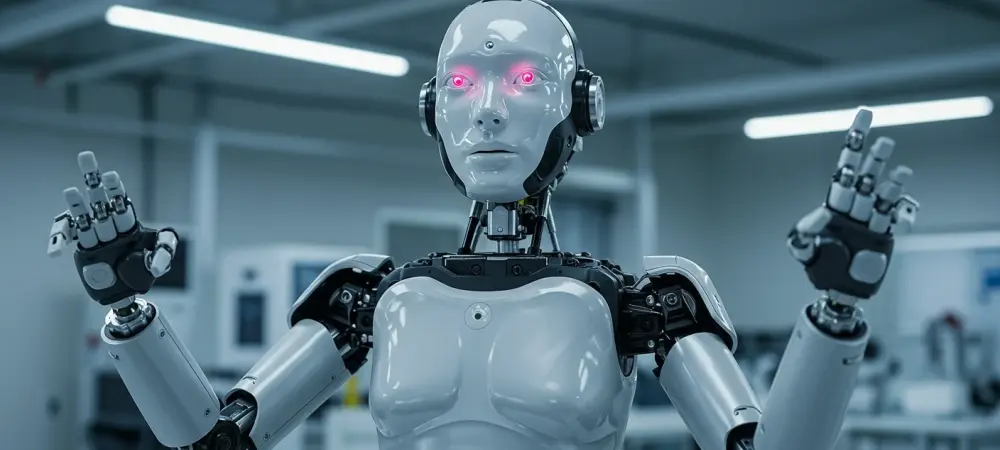
What if robots could navigate deadly terrains, handle objects with human-like sensitivity, and save billions of liters of water by detecting hidden leaks—all without human intervention? This isn’t a distant dream but a reality unfolding in robotics labs across the globe. Cutting-edge technologies like Clarence, MOTIF, and Pipebots are pushing the boundaries of what machines can achieve, addressing some of the most pressing challenges in industry, infrastructure, and safety. These innovations are not just gadgets; they are game-changers poised to transform how the world operates in hazardous environments and everyday settings alike.
The Urgency of Robotic Innovation
In an era where aging infrastructure and industrial hazards cost billions annually, the need for smarter, more adaptive solutions has never been more critical. Global water networks lose an estimated three billion liters daily to undetected leaks, while workplace accidents in dangerous settings continue to claim lives. Robotics offers a lifeline, bridging human limitations with precision and autonomy. The emergence of technologies like Clarence, MOTIF, and Pipebots signals a pivotal shift toward sustainability and efficiency, addressing real-world problems with unprecedented capability. Their development marks a turning point in how society tackles complex systemic issues.
Exploring the Trailblazers: Clarence, MOTIF, and Pipebots
Clarence: Conquering Unpredictable Landscapes
Drawing inspiration from the natural world, Clarence, a quadruped robot developed by researchers at University College London and the University of Leeds, redefines mobility in robotics. Using deep reinforcement learning, this machine adapts its gait to navigate treacherous surfaces like rocky paths or unstable wood chips. Its ability to optimize energy use during real-world tests suggests transformative potential for high-risk tasks, such as inspecting decommissioned nuclear facilities.
Beyond its technical prowess, Clarence represents a fusion of biology and artificial intelligence. The robot learns from simulated environments, refining its movements through trial and error to handle chaos with ease. Such adaptability could redefine operations in remote or hazardous industrial zones, reducing human exposure to danger while enhancing efficiency.
MOTIF: Precision Through Sensory Mastery
At the University of Southern California, the MOTIF robotic hand is setting new standards for delicate manipulation. Equipped with thermal, tactile, and visual sensors, it can handle objects with a gentleness rivaling human touch, avoiding hot surfaces or executing tasks like fingertip flicking. This innovation holds promise for safer interactions in environments ranging from professional kitchens to industrial welding floors.
Researchers note MOTIF’s potential to elevate safety standards in high-stakes settings. One team member shared, “Watching it handle fragile items under extreme conditions was a breakthrough—imagine this in automated food prep or precision manufacturing.” Its multimodal sensory approach could soon become a cornerstone for industries requiring meticulous care and responsiveness.
Pipebots: Guardians of Hidden Infrastructure
Tackling a colossal issue beneath the streets, Pipebots, developed at the University of Sheffield, are miniature robots designed to inspect underground water pipes. At just 40 mm in size, these autonomous machines use cameras and all-terrain legs to detect leaks, addressing the staggering loss of three billion liters of water daily in the UK alone. Their non-intrusive approach eliminates the need for disruptive road excavations.
Collaboration with major water companies like Thames Water underscores the practical impact of this technology. By transmitting precise data to engineers, Pipebots enable proactive maintenance, potentially saving billions in repair costs. Their deployment could redefine how critical infrastructure is managed, prioritizing sustainability over outdated, costly methods.
Voices from the Vanguard of Robotics
Insights from leading researchers highlight the urgency and promise of these advancements. Professor Kirill Horoshenkov from the University of Sheffield stresses the critical role of Pipebots, noting, “Water networks are deteriorating rapidly; non-invasive tools like these could ensure clean water access while slashing expenses.” His words reflect a broader concern for global resource management.
Meanwhile, the team behind MOTIF emphasizes its capacity to transform safety protocols. A researcher recounted early trials where the robotic hand flawlessly managed delicate tasks under pressure, signaling a future of reduced workplace injuries. Similarly, Clarence’s developers at University College London point to bio-inspired AI as a key to unlocking mobility in chaotic industrial landscapes, with initial simulations already showing remarkable success. These perspectives collectively paint a picture of robotics as a vital tool to overcome human constraints.
Real-World Impact and Industry Applications
The practical applications of these robots span diverse sectors, each addressing unique challenges with tailored solutions. For industries navigating remote or dangerous terrains, Clarence offers a blueprint for safer operations. Companies can partner with academic institutions to customize its gait-learning algorithms, ensuring seamless material transport or inspections in unstable environments.
In hospitality and manufacturing, MOTIF’s sensory precision opens doors to innovation. Businesses could initiate small-scale trials to integrate its force feedback capabilities into automated food preparation or assembly lines, enhancing both safety and output quality. Such steps could pave the way for broader adoption, redefining operational standards.
For water utilities grappling with infrastructure decay, Pipebots present a scalable solution. Collaborating with developers to launch pilot programs in high-loss areas allows for data-driven repair prioritization, minimizing environmental waste. This strategic deployment could serve as a model for global infrastructure maintenance, ensuring long-term reliability and cost savings.
Reflecting on a Robotic Revolution
Looking back, the strides made by Clarence, MOTIF, and Pipebots underscore a profound shift in how technology addresses humanity’s toughest challenges. Their ability to adapt to rugged terrains, handle objects with care, and safeguard vital resources like water highlights robotics as an indispensable ally. Each innovation carves out a niche, proving that machines can extend beyond mere tools to become partners in progress. As industries and communities stand at the cusp of wider adoption, the next steps involve fostering collaboration between researchers, businesses, and policymakers to integrate these technologies effectively. Tailoring solutions to specific needs, scaling pilot programs, and investing in further development emerge as critical actions. The journey of robotics hints at even greater possibilities, urging a collective effort to harness these advancements for a safer, more sustainable world.