

The contemporary landscape of hardware optimization has undergone a seismic shift as manufacturers grapple with the physical limitations of signal integrity, making the pursuit of raw frequency secondary to the mastery of timing precision. This transition occurred during a period of extreme market volatility known as the “RAMmageddon” crisis, where the explosive demand for high-bandwidth memory in the artificial intelligence sector stripped the consumer market of its most vital resources. As manufacturers redirected their fabrication efforts toward lucrative enterprise contracts, the PC enthusiast community faced a choice between non-existent high-frequency kits and a new generation of optimized, low-latency alternatives. Strategic pivots by industry leaders have now established a new performance hierarchy where efficiency outweighs theoretical speed.
In this environment, the race toward the 10,000 MT/s milestone has largely stalled for the average consumer, as such speeds remain “unobtanium” due to manufacturing shortages and the specialized cooling requirements they demand. Instead, the industry has standardized around a 6000 MT/s “sweet spot,” providing a foundation for stable, high-performance computing that does not compromise system longevity. Brands like Biwin, through its Black Opal DW100 series, and the enthusiast-centric Origin Code, have capitalized on this shift by utilizing hand-selected SK Hynix M-Die ICs. These components allow for aggressive timing profiles that rival the real-world throughput of much higher-clocked memory while maintaining compatibility with mainstream platforms like the AMD Ryzen 9000-series and Intel’s latest XMP-enabled architectures.
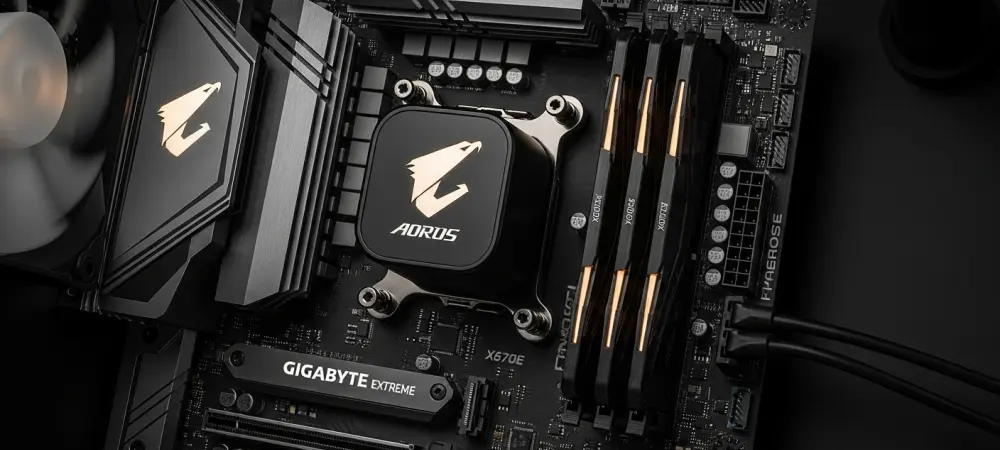
The adoption of the AMD EXPO ULL standard reflects a broader move toward reliability in a market where entry-level DDR5 prices have inflated beyond historical norms. Users now prioritize kits that can guarantee performance on enthusiast-grade motherboards, such as the Gigabyte X670E AORUS Extreme, rather than chasing benchmarks that the current silicon lottery cannot consistently deliver. This evolution in hardware selection demonstrates a mature approach to system building, where the focus has moved from arbitrary numbers to the tangible impact of low-latency optimization on daily workflows and intensive gaming sessions.
Analyzing Performance Metrics and Architectural Differences
Comparing Raw Frequency Throughput with Timing Precision
While high-frequency memory kits reaching toward 10,000 MT/s offer impressive theoretical bandwidth, the practical trade-offs often manifest in looser CAS latencies that can hinder overall system efficiency. In contrast, the Biwin Black Opal DW100 adopts a specialized CL28 profile, specifically the 28-36-36-72-108 timing set, which ensures that the delay between memory requests and data delivery is kept to an absolute minimum. This timing precision is made possible through the use of high-grade SK Hynix M-Die components, which are favored by tuners for their ability to sustain tight operations at a 6000 MT/s frequency without the signal degradation common in ultra-high-speed modules.
The architectural benefit of prioritizing latency over raw clock speed is particularly evident in the way data is handled during burst cycles. A higher frequency might move more data per second, but if the initial access latency is too high, the processor must wait longer for the first byte of information, creating a bottleneck in instruction execution. By focusing on the CL28 threshold, these optimized kits provide a more balanced approach that aligns with the internal clock cycles of modern CPUs. This synergy ensures that the memory subsystem remains a seamless extension of the processor rather than a source of unnecessary wait states.
Moreover, the physical construction of these low-latency modules supports their aggressive timing profiles through enhanced signal integrity. The 10-layer PCB design utilized in premium kits like the DW100 is engineered to minimize electromagnetic interference, which becomes increasingly problematic as timings are tightened. This robust electrical foundation allows the memory to maintain stability at 1.40V, ensuring that the “hand-picked” nature of the silicon is fully utilized. Consequently, the comparison between frequency and latency is no longer just about speed but about the sophisticated orchestration of electrical signals and data timing.
Evaluating Gaming Stability and System Responsiveness
Testing memory performance on top-tier hardware, such as the AMD Ryzen 9850X3D paired with an RTX 5090, reveals that the advantages of ultra-low latency are most pronounced in frame-pacing consistency. While a standard DDR5 kit with CL40 timings might produce high average frame rates, the 1% lows—often responsible for the sensation of micro-stuttering—are significantly improved by switching to a CL28 configuration. The ultra-low latency allows the CPU to access assets and instruction sets rapidly, ensuring that the heavy lifting done by the GPU is never interrupted by a slow memory sub-system.
System responsiveness also extends beyond the gaming environment into the general fluidity of the operating system. Enthusiasts have noted that the “snappiness” of a build is often a direct result of how quickly the memory can respond to interrupt requests and background tasks. When compared to high-frequency kits that may suffer from occasional instability or training errors during boot-up, the 6000 MT/s ULL kits provide a rock-solid experience. This stability is a key differentiator for users who demand a premium experience without the troubleshooting headaches often associated with pushing raw megatransfers to their breaking point.
Furthermore, the integration of advanced features like 3D V-Cache on modern processors has changed the way memory is utilized in the gaming loop. These CPUs benefit immensely from the rapid data exchange enabled by tighter timings, as the larger on-die cache can be more effectively replenished. The Biwin DW100, with its specialized EXPO ULL support, acts as a force multiplier in these scenarios, bridging the gap between the processor’s immense internal speed and the external storage of system RAM. This results in a gaming experience that feels more immediate and refined, regardless of the complexity of the scene being rendered.
Assessing Synthetic Workload Efficiency and Productivity
In the realm of productivity, synthetic benchmarks like WinRAR provide a clear window into how memory timings influence data-heavy tasks. Compression and decompression algorithms are notoriously sensitive to CAS latency, as they involve a massive number of small, random memory accesses rather than long sequential transfers. In these tests, a 6000 MT/s kit with CL28 timings frequently outperforms higher-frequency kits that rely on looser timing sets. This efficiency translates into saved time for professionals who regularly work with large data archives or complex media projects. The implementation of AMD’s AGESA 1.3.0.1b Path A firmware has further optimized the interaction between the memory controller and ultra-low latency modules. On motherboards like the Gigabyte X670E AORUS Extreme, this firmware update allows the system to maximize the throughput of the Biwin DW100, ensuring that every cycle is used effectively. This level of software and hardware integration is crucial for maintaining productivity in an era where software demands are constantly escalating. By removing the overhead associated with slower memory timings, the entire computing platform operates at a higher level of baseline performance.
Additionally, the use of 48 GB configurations, such as the dual 24 GB DIMMs found in the Black Opal series, provides the necessary headroom for modern multitasking. This specific capacity has emerged as a middle ground for users who find 32 GB insufficient for modern workloads but do not require the full 64 GB used in professional workstations. When this capacity is combined with the efficiency of low-latency ICs, the result is a system that can handle heavy creative applications and background tasks without experiencing the performance degradation that often occurs when a system begins to swap data to slower storage drives.
Overcoming Technical Challenges and Implementation Obstacles
Sustaining ultra-low latency at 6000 MT/s requires a sophisticated approach to thermal management, as DDR5 modules are inherently sensitive to heat-induced instability. The Biwin DW100 addresses this through the use of 2mm-thick aluminum alloy heat spreaders, which utilize a “three-fin” design to maximize surface area for heat dissipation. Integrated temperature sensors allow users to monitor the thermal state of the SK Hynix M-Die ICs in real-time, providing an essential safeguard when running the modules at the 1.40V necessary for CL28 stability. Without this robust cooling, the electrical stress of tight timings could lead to data corruption or hardware failure during prolonged heavy use.
Voltage stability represents another significant hurdle in the implementation of high-performance memory. Standard DDR5 kits often use locked Power Management Integrated Circuits (PMICs), which limit the user’s ability to fine-tune the power delivery to the DRAM. To overcome this, enthusiast kits feature unlocked PMICs that allow for precise control over voltage levels. This flexibility is vital for maintaining the 1.40V requirement under load, as it prevents voltage droop that could cause the system to crash during intensive operations. The engineering effort required to balance these power demands against thermal constraints is a testament to the complexity of modern memory design.
Market obstacles also play a role in how these technologies are adopted by the consumer. The global shortage of high-quality DRAM has led to a situation where premium kits are priced significantly higher than their predecessors, with the Biwin DW100 retailing between $529 and $699. While these prices may seem steep, they reflect the reality of the 2026 hardware market, where even basic CL40 kits have seen inflated pricing. For many enthusiasts, the decision to invest in a low-latency kit is a strategic move to ensure they receive hand-screened silicon that offers better value-to-performance than the overpriced, lower-tier alternatives that currently flood the market.
Strategic Recommendations for Hardware Selection
The decision-making process for hardware selection has shifted toward a “quality over quantity” philosophy, where the specific binning of the memory integrated circuits is more important than the sticker speed. For those building on the AMD platform, the Biwin Black Opal DW100 stands as a benchmark for what ultra-low latency can achieve when paired with the latest Ryzen 9000-series processors. Enthusiasts should prioritize kits that offer EXPO ULL certifications, as these are tailored to the specific architectural requirements of the AM5 platform. Selecting a kit with high-grade Hynix M-Die ensures that the user is getting the most resilient silicon available in the current market.
For Intel users, the focus remains on XMP compatibility and the ability of the motherboard’s BIOS to handle aggressive timing profiles. While Intel platforms often scale better with pure frequency, the current market scarcity of stable 8000+ MT/s kits makes the 6000 MT/s CL28 kits a much more practical and cost-effective choice. It is recommended that “tuners” and enthusiasts look for modules with robust physical construction, such as 10-layer PCBs and thick heat spreaders, to ensure that the memory can be pushed to its limits without thermal throttling. Navigating the current memory shortage requires a focus on finding these high-quality components that offer a tangible performance lead over mass-market products.
Ultimately, the best value-to-performance ratio is found in memory that provides a balance of capacity, stability, and speed. The 48 GB kits have proven to be the most versatile for modern systems, providing enough buffer for AI-assisted applications and high-resolution gaming. By choosing a kit like the DW100, users are investing in a product that has been engineered to overcome the limitations of the current era. As the industry continues to evolve, these low-latency standards will likely serve as the foundation for future innovations, proving that precision will always be a superior strategy to raw speed alone. The evaluation of high-performance memory standards demonstrated that the industry’s pivot toward ultra-low latency provided a necessary reprieve from the instability of raw frequency chasing. It was observed that kits like the Biwin Black Opal DW100 successfully utilized specialized SK Hynix M-Die components to achieve a level of system responsiveness that previously seemed unattainable at mid-range frequencies. The move toward optimized 6000 MT/s profiles allowed builders to navigate a volatile market without sacrificing the “snappiness” essential for modern workloads. As hardware enthusiasts looked toward future upgrades, they recognized that the mastery of timing precision remained the most reliable path to maximizing silicon potential. This strategic shift suggested that future memory development would likely focus on refining internal controller logic and power efficiency rather than just increasing megatransfers. The lessons learned during the memory crisis highlighted the importance of vertical integration and quality control in maintaining performance standards. Moving forward, the focus must remain on identifying high-bin components that offer long-term stability in an increasingly demanding computing environment.