

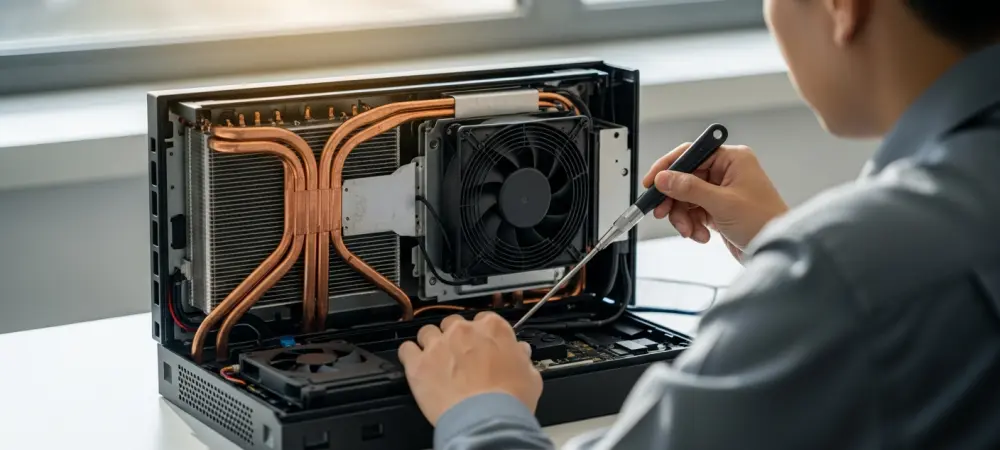
The delicate balance between hardware protection and uninterrupted performance has long been a point of contention for enthusiasts who push their systems to the absolute limit. This BIOS update represents a pivotal shift in thermal management, moving away from rigid, conservative limits toward a nuanced understanding of modern silicon. By recalibrating the underlying architecture, Valve has bridged the gap between raw power and user peace of mind.
Evolution of the Steam Machine Firmware and System Architecture
Modern gaming consoles often operate under restrictive profiles to ensure longevity, sometimes at the expense of peak performance. The Steam Machine architecture deviates by using high-performance components that share more in common with enthusiast PCs than traditional boxes. This evolution reflects a growing demand for devices that sustain high workloads without triggering aggressive throttling.
The core principles behind this overhaul emphasize a transparent relationship between hardware sensors and response logic. This move toward high-tolerance engineering is essential for maintaining a competitive edge. It ensures that firmware acts as a performance facilitator rather than a strictly defensive barrier in the modern landscape.
Technical Enhancements and Core Features of the BIOS Update
Recalibrated Thermal Thresholds for Zen 4 and Zen 5
The most significant change involves raising the temperature limits for the CPU and GPU. Previous versions triggered warnings at 95°C for the processor and 90°C for the graphics unit, but the new firmware pushes these to 100°C. This aligns with Zen 4 and Zen 5 architectures, which are designed to operate safely at these ranges.
By recognizing 100°C as the true throttling point, the system avoids unnecessary performance dips. This change demonstrates an understanding of modern silicon where heat is a byproduct of efficiency. Consequently, the hardware maintains higher clock speeds longer without the interference of legacy safety protocols.
LED Alert Synchronization and Notification Logic
The update introduces sophisticated logic for the red LED indicator, which previously fired off alerts at temperatures as low as 75°C. The new logic distinguishes between high operational heat and critical states. It ensures the red light only activates when the hardware reaches its actual thermal limit.
Emerging Trends in Hardware Thermal Management
The industry is trending toward high-tolerance designs that prioritize sustained output over cautious cooling. Modern cooling solutions are now resilient enough that older, conservative profiles are seen as bottlenecks. This shift reflects confidence in the durability of high-end materials and effective heat dissipation across devices.
Impact on High-End Gaming and Sustained Performance
In demanding 4K gaming scenarios, the absence of false thermal alarms creates a more immersive experience. Users no longer worry about flashing lights when the system is functioning within designed parameters. This precision benefits those using the hardware for resource-intensive tasks like rendering or machine learning.
Addressing False Alarms and Hardware Misconceptions
Correcting misleading warnings was a technical necessity to maintain user trust in the device. When hardware signals an alert at safe temperatures, it creates a false impression of instability. By refining these triggers, the update ensures safety mechanisms remain effective without being overly intrusive or distracting.
The Future of Valve’s Hardware Ecosystem
Future optimizations will likely focus on tighter integration between fan curves and power delivery. Breakthroughs in predictive cooling could allow the system to anticipate thermal spikes, extending component longevity significantly. This proactive approach will set a new standard for how integrated systems manage heat.
Final Assessment of the Steam Machine Firmware Review
The BIOS update successfully resolved thermal reporting discrepancies that caused unnecessary anxiety. This adjustment provided accurate feedback that mirrored the actual capabilities of the Zen architecture. The shift toward a 100°C threshold proved the hardware was more robust than original firmware suggested. Ultimately, the update transformed a flawed signaling system into a testament to engineering maturity, suggesting that future iterations would rely on even more sophisticated predictive cooling models.