
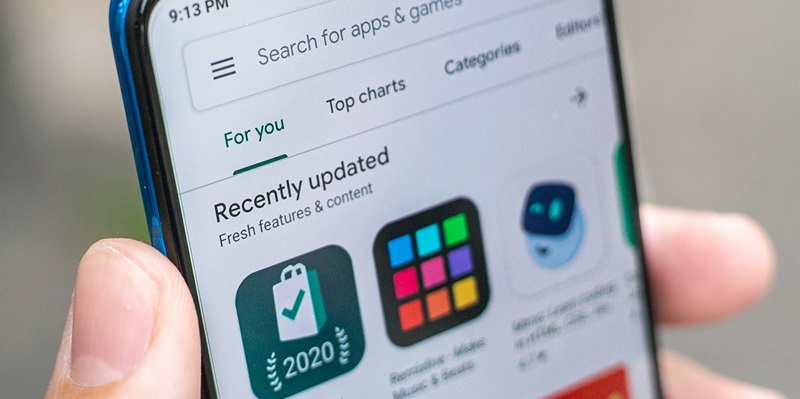
Google Rejects Millions of Apps to Boost Play Store Security

Google has recently ramped up its efforts to improve the security and privacy of its Play Store ecosystem. The tech giant rejected over 2.3 million app submissions last year for failing to meet privacy standards. These apps were linked to various malicious activities, including the potential for malware distribution. Further ensuring the safety of its users, Google banned more than 333,000 developer accounts tied to criminal behavior, highlighting severe privacy violations.

As part of its comprehensive approach to mitigate risks, Google didn’t stop at just rejecting apps. It conducted a thorough review of sensitive permissions, which led to the refusal of an additional 200,000 apps. This action demonstrates Google’s commitment to upholding strict privacy guidelines and preventing the misuse of user data.

Strengthening Privacy Amid Persistent Concerns

Despite these assertive actions, concerns over user privacy persist. Investigations have uncovered that some apps, which appear legitimate on the surface, still establish connections with servers situated in countries notorious for privacy infringements, such as China and Russia. This raises red flags about the potential for ongoing privacy risks even within apps that have passed initial screening processes.

To combat this, Google has not only collaborated with SDK providers to limit data access but has also implemented a security label audit specifically for VPN applications. This label certifies the reliability and credibility of VPN services offered in the Play Store, providing users with added assurance. These measures are part of a broader industry move toward increased transparency and responsibility, highlighting the continuous challenges tech companies face in fostering a secure digital environment.

Explore more

Essential Real Estate CRM Tools and Industry Trends

The difference between a record-breaking commission and a silent phone line often comes down to a window of less than three hundred seconds in the current fast-moving property market. When a prospect submits an inquiry, the psychological clock begins ticking with an intensity that few other industries experience. Research consistently demonstrates that professionals who manage to respond within those first

How inDrive Scaled Mobile Engineering With inClean Architecture

The sudden realization that a single line of code has triggered a cascade of invisible failures across hundreds of application screens is a nightmare that keeps many seasoned mobile engineers awake at night. In the high-velocity environment of global ride-hailing and multi-vertical tech platforms, this scenario is not just a hypothetical fear but a recurring obstacle that threatens the very

How Will Big Data Reshape Global Business in 2026?

The relentless hum of high-velocity servers now dictates the survival of global commerce more than any boardroom negotiation or traditional market analysis performed in the past decade. This shift marks a definitive moment in industrial history where information has moved from a supporting role to the primary driver of value. Every forty-eight hours, the global community generates more information than

Content Hurricane Scales Lead Generation via AI Automation

Scaling a digital presence no longer requires an army of writers when sophisticated algorithms can generate thousands of precision-targeted articles in a single afternoon. Marketing departments often face diminishing returns as the demand for SEO-optimized content outpaces human writing capacity. When every post requires hours of manual research, scaling becomes a matter of headcount rather than efficiency. Content Hurricane treats

How Can Content Design Grow Your Small Business in 2026?

The digital marketplace of 2026 has transformed into a high-stakes environment where the mere act of publishing information no longer guarantees the attention of a sophisticated and increasingly skeptical global consumer base. As the volume of digital noise reaches an all-time high, small business owners find that the traditional methods of organic reach and standard social media updates have lost