

Balancing Innovation with Public Interest in the Sunshine State
Florida has officially transformed its relationship with the digital economy by implementing a rigorous legislative framework that shifts the financial burden of technological growth from taxpayers to private developers. This landmark shift, enacted through SB 484, introduces a comprehensive set of rules designed to oversee the expansion of large-scale data centers. As the demand for cloud computing and artificial intelligence continues to rise, the state is positioning itself as a region that welcomes technological advancement only under conditions that protect its residents and natural resources. This move explores how the new law seeks to balance the rapid growth of the tech sector with the economic and environmental realities facing Florida taxpayers.
The Evolution of Data Center Regulation and Infrastructure Demands
Historically, data centers were viewed primarily as economic engines that brought high-tech jobs and tax revenue to a region without demanding much in return. However, as these facilities have grown in size and energy consumption, the narrative has shifted toward the strain they place on local infrastructure. In recent years, Florida has seen a significant uptick in interest from tech giants looking to leverage the state growing population and strategic location. SB 484 emerged from a need to modernize the state approach to these massive developments, moving away from a hands-off expansion model to one that emphasizes accountability and long-term sustainability. This shift reflects a broader national awareness of the massive energy and water requirements inherent in modern computing facilities.
Navigating the Strategic Pillars of SB 484
Protecting Ratepayers from Infrastructure Cost Shifting
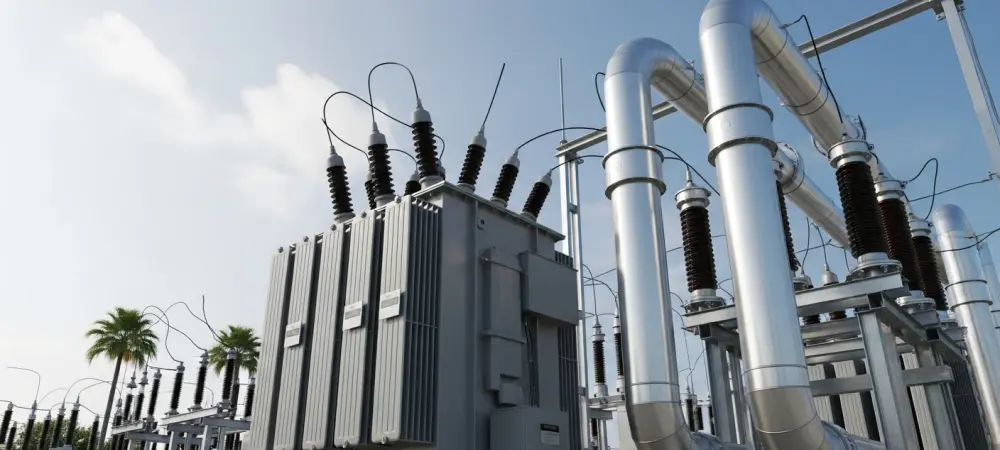
One of the most significant components of SB 484 is the protection of residential and small-business utility customers. The law explicitly prohibits utility companies from passing the costs of infrastructure upgrades, such as new substations or high-capacity power lines, onto the general public to accommodate data centers. By mandating that these large-scale users bear the full financial burden of the electricity and infrastructure they require, Florida is following a precedent set by states like Ohio. This model ensures that while tech companies can expand, they do not do so at the expense of the average Floridian monthly utility bill.
Preserving Local Autonomy and Environmental Integrity
Beyond financial concerns, the legislation reinforces the authority of local governments to manage their own land use. SB 484 preserves the power of cities and counties to oversee zoning, planning, and permitting, ensuring that communities are not bypassed by state-level mandates. Furthermore, the law introduces strict environmental safeguards, particularly regarding water usage. Data centers require immense amounts of water for cooling; the new law restricts the use of freshwater for these purposes, instead pushing developers toward reclaimed water systems. This approach prioritizes the state fragile aquifer system while forcing the industry to adopt more sustainable operational technologies.
Strengthening National Security and Corporate Transparency
The law also addresses modern geopolitical and transparency concerns by introducing strict oversight on ownership and disclosure. It prohibits utility providers from servicing data centers that are owned or controlled by foreign countries of concern, a move aimed at safeguarding domestic data and infrastructure. Additionally, SB 484 mandates the public disclosure of development agreements after a designated exemption period. This transparency was designed to prevent backroom deals and ensure that the public remained fully aware of the terms under which these massive facilities operate within their borders.
Future Outlook: The Impact of Regulated Growth on the Tech Landscape
As these regulations take full effect, the tech industry in Florida is likely to undergo a period of recalibration. The law sets a new standard for how states can interact with big tech, potentially serving as a roadmap for other regions facing similar growth pressures. Observers expect to see a shift toward more energy-efficient data center designs and a greater emphasis on brownfield redevelopment where existing infrastructure can be repurposed. Furthermore, the focus on reclaimed water may spur innovation in cooling technologies, making Florida a testing ground for sustainable high-density computing.
Best Practices and Strategic Recommendations for Stakeholders
For businesses and local officials, the enactment of SB 484 requires a proactive approach to development. Developers prioritized sites with existing access to reclaimed water and high-capacity power to minimize the cost of mandated infrastructure upgrades. Local governments updated their comprehensive plans to clearly define where data centers fit within their zoning maps to avoid legal friction. For residents, the law provided a new level of protection, but staying informed about local utility filings remained essential to ensure that the cost-shifting prohibitions were being strictly followed by energy providers.
Securing Florida’s Digital and Physical Future
The implementation of this law established a precedent where industrial progress remained secondary to public welfare. Stakeholders successfully transitioned toward infrastructure models that decoupled growth from resource depletion. Proactive energy audits and the integration of modular cooling units became the new industry standard for navigating these constraints. Ultimately, the framework ensured that the expansion of the digital world remained compatible with the long-term sustainability of the physical environment. Florida demonstrated that legislative foresight could effectively mitigate the risks of rapid industrialization while maintaining a competitive market for technological investment.