

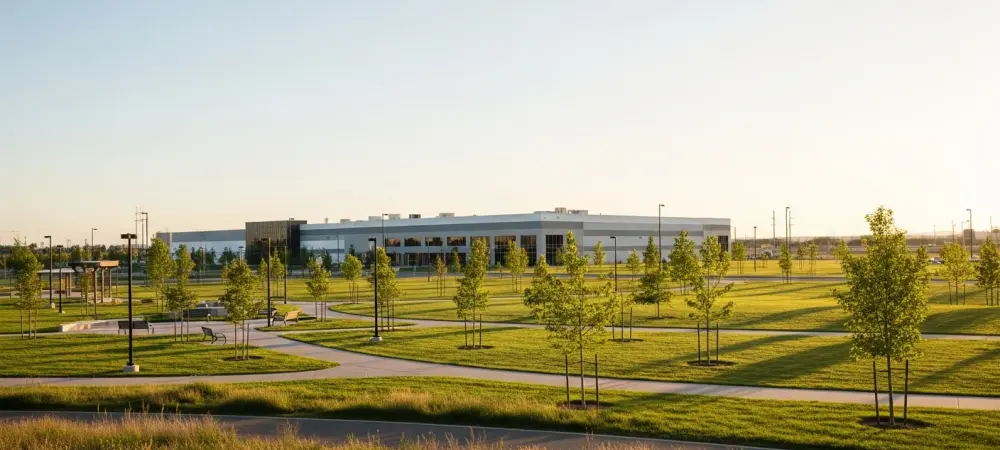
The rapid expansion of digital infrastructure often creates a tension between economic development and community preservation, particularly when massive facilities appear on local horizons. In the city of Broken Arrow, Oklahoma, local officials have begun evaluating a significant proposal for a new data center development situated on a strategic 51-acre tract of land located between State Highway 51 and the Creek Turnpike. This development cycle initiated in late April when an undisclosed developer formally expressed interest in the site, triggering a mandatory request for a pre-development meeting. During this stage, municipal departments analyze how such a massive project aligns with current zoning laws, building regulations, and existing development standards. It remains a preliminary phase of information gathering rather than a confirmed approval, allowing the city to scrutinize the technical requirements of the facility before any heavy machinery arrives on the site. This process ensures that the city maintains control over its urban landscape while exploring new revenue streams and modernization.
Governance and Public Accountability: The Rejection of Secrecy
Establishing a foundation of public trust is paramount when dealing with large-scale industrial projects that consume vast amounts of electricity and water resources. City Manager Michael Spurgeon has taken a decisive and proactive stance on transparency to prevent the atmosphere of secrecy that has plagued similar technological developments across the United States. Unlike many municipal leaders who enter into restrictive confidentiality agreements, Spurgeon and the City Council have explicitly refused to sign any non-disclosure agreements regarding this specific project. This policy ensures that residents remain informed about potential impacts, including noise pollution from cooling fans and the strain on local utility grids. By rejecting these common legal silencers, the administration aims to address environmental and logistical anxieties before they evolve into community-wide opposition, setting a new standard for how local governments negotiate with major tech entities. This commitment to openness serves as a safeguard for the public interest throughout the negotiation.
Future Considerations: Strategic Planning and Community Integration
Moving forward, the municipal government entered a rigorous due diligence phase to prepare a detailed list of inquiries and operational requirements for the developer to answer. This investigative process involved assessing the long-term impact on the local environment while ensuring that the infrastructure could support such a high-density facility without compromising service for existing residents. A formal meeting with the developer was scheduled to take place within the next month or two, providing a platform for technical interrogation. To maintain clarity, the city committed to providing public updates every two to three weeks, ensuring that the dialogue remained open throughout the review process. Future industrial strategies prioritized this type of open-door policy, where economic exploration was balanced by strict environmental and logistical oversight. This approach provided a roadmap for other mid-sized cities to navigate the complex demands of the digital economy while protecting the quality of life for the local population.