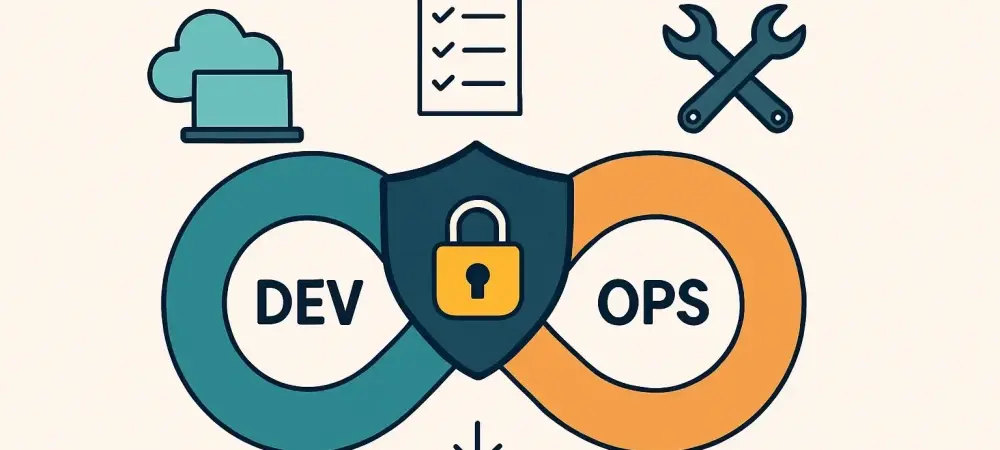
The era of the “brain without hands” left DevOps teams stranded in a manual loop, where high-level artificial intelligence could generate elegant code but remained fundamentally locked away from the production clusters and terminal windows it sought to manage. For
The era of the “brain without hands” left DevOps teams stranded in a manual loop, where high-level artificial intelligence could generate elegant code but remained fundamentally locked away from the production clusters and terminal windows it sought to manage. For
The era of the “brain without hands” left DevOps teams stranded in a manual loop, where high-level artificial intelligence could generate elegant code but remained fundamentally locked away from the production clusters and terminal windows it sought to manage. For
Deeper Sections Await

In the rapidly evolving landscape of gaming and blockchain technology, a partnership between MetaCene, a pioneering blockchain MMORPG, and Mantle, a high-performance blockchain infrastructure provider, promises to revolutionize the industry. This collaboration aims to integrate advanced technology into gaming, thereby

In the ever-evolving landscape of software development and cybersecurity, Backslash Security has introduced groundbreaking advancements to enhance DevSecOps practices by integrating state-of-the-art simulation tools and large language models (LLMs). These innovations aim to streamline application security and governance within the
Browse Different Divisions
In the rapidly evolving landscape of gaming and blockchain technology, a partnership between MetaCene, a pioneering blockchain MMORPG, and Mantle, a high-performance blockchain infrastructure provider, promises to revolutionize the industry. This collaboration aims to integrate advanced technology into gaming, thereby

Wine investment has always been shrouded in layers of tradition and exclusivity. However, Cantinium, a trailblazing startup, is now merging this age-old practice with cutting-edge blockchain technology. In doing so, Cantinium is bringing unparalleled levels of transparency, authenticity, and accessibility

In the ever-evolving hospitality industry, Escapade—a prominent player in the hospitality app market—has taken a pioneering step by integrating blockchain technology into its booking platform. This strategic move aims to enhance the security and trust of its user base, ensuring
The tech industry is abuzz with the latest rumors surrounding a potential acquisition of GitLab, a prominent DevSecOps platform provider, stirring significant market activity and attracting interest from major tech firms. The news has led to a notable surge in

The DevSecOps market is abuzz with the possibility of a high-profile acquisition—Datadog, a prominent observability vendor, is in discussions to acquire GitLab, a leading DevSecOps platform. With the potential merger on the horizon, industry experts and customers speculate on what
In the ever-evolving landscape of software development and cybersecurity, Backslash Security has introduced groundbreaking advancements to enhance DevSecOps practices by integrating state-of-the-art simulation tools and large language models (LLMs). These innovations aim to streamline application security and governance within the
Browse Different Divisions
Uncover What’s Next
B2BDaily uses cookies to personalize your experience on our website. By continuing to use this site, you agree to our Cookie Policy