

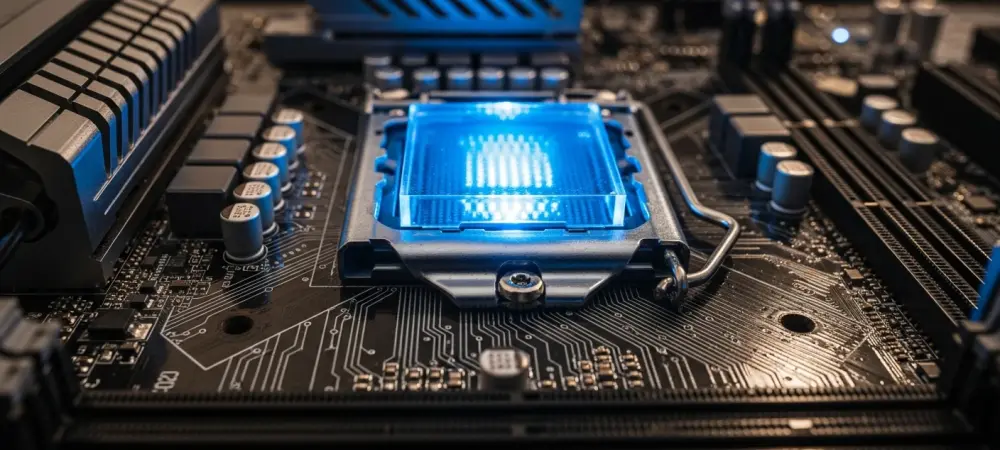
The modern desktop processor has undergone a fundamental transformation that transcends simple frequency increases to redefine the very essence of localized high-performance computing power. This evolution signifies a move away from the traditional silicon race where raw gigahertz was the only metric of success toward a more nuanced era of architectural sophistication. Today, the central processing unit is not merely a calculator but a complex orchestrator of specialized logic, managing diverse instruction sets and varying power profiles with microscopic precision. The current landscape is defined by an intense rivalry between Intel and AMD, where each manufacturer has carved out a distinct technological philosophy to satisfy a demanding consumer base. Understanding the current state of these silicon powerhouses requires an analysis of how they balance the demands of modern software against the physical limitations of semiconductor manufacturing.
The Evolution of Modern Computing Architecture
The journey of desktop silicon has transitioned from a monolithic design toward a more modular and efficient approach to data processing. In the early days, performance gains were primarily achieved by shrinking transistor sizes and pushing clock speeds higher, but this strategy eventually collided with the “power wall,” where heat dissipation became unmanageable. Modern Central Processing Units have overcome this hurdle by integrating specialized silicon components like hardware encoders, neural processing units, and integrated graphics directly onto the die. This integration reduces the latency that previously occurred when data traveled between discrete components, allowing for a more responsive and fluid user experience across various computing tasks.
In the current competitive context, the shift from raw power to architectural efficiency has redefined what enthusiasts expect from their hardware. The introduction of hybrid designs has fundamentally changed the internal logic of the chip, allowing for a more granular approach to workload management. Instead of all cores running at maximum capacity for every task, the processor intelligently delegates operations based on their complexity and priority. This architectural shift ensures that background processes do not interfere with high-priority foreground applications, creating a more stable environment for both intensive professional work and high-stakes competitive gaming.
Critical Innovations in Processor Performance
Hybrid Architecture and Efficiency Management
The implementation of a hybrid architecture, featuring Performance-cores and Efficiency-cores, represents one of the most significant shifts in x86 computing. P-cores are designed for high-frequency, single-threaded tasks that require immediate attention, such as gaming logic or complex calculations. Conversely, E-cores are optimized for throughput and multi-threaded background operations, handling system telemetry, browser tabs, and communication apps without taxing the primary resources. This division of labor is managed by sophisticated hardware schedulers that communicate directly with the operating system to ensure that every thread finds its most efficient home within the silicon.
Furthermore, the maturity of these scheduling algorithms has eliminated the early performance inconsistencies that plagued initial hybrid designs. Modern efficiency management now allows for a higher total core count within the same thermal envelope, providing workstations with massive multi-threaded capabilities while remaining manageable with standard cooling solutions. The intelligence of these chips allows them to ramp up frequency only when necessary, preserving the longevity of the silicon and reducing the overall energy footprint of high-performance desktop systems. This balance of power and restraint is what allows modern processors to deliver workstation-class performance in consumer-grade form factors.
3D V-Cache and Specialized Memory Tiers
While Intel has focused on core diversity, AMD has pioneered the use of vertically stacked memory to solve the long-standing problem of memory latency. The introduction of 3D V-Cache technology involves bonding an additional layer of L3 cache directly onto the processor die, drastically increasing the amount of high-speed data available to the cores. This innovation is particularly impactful in gaming and simulation tasks, where the processor frequently needs to access large datasets that would otherwise be stored in slower system RAM. By keeping this data closer to the execution units, the processor reduces the “wait time” for information, leading to significantly higher frame rates and improved stability in complex scenes.
However, the technical challenges of stacking silicon layers are immense, particularly regarding heat management. Since the additional cache layer sits on top of the heat-generating cores, manufacturers have had to develop advanced structural thinning techniques and specialized thermal interface materials to maintain safe operating temperatures. This dense silicon arrangement requires a more sophisticated approach to cooling but pays dividends in high-frequency stability. The result is a specialized memory tier that bridges the gap between traditional on-chip cache and system memory, providing a unique performance profile that competitors struggle to match without similar structural innovations.
Emerging Trends in the Hardware Market
The current market is witnessing a tactical shift where manufacturers are focusing on refining existing architectures to eliminate hidden bottlenecks. Intel has recently introduced its “Plus” series revisions, which specifically target the die-to-die latency issues that previously hindered its flagship performance. By increasing the internal fabric frequency and optimizing the communication pathways between different tiles of the processor, these revisions have managed to reclaim ground in the gaming sector. This trend suggests that the industry is moving away from the “new architecture every year” model toward a more iterative approach that prioritizes stability and real-world performance over theoretical benchmark scores.
Meanwhile, a growing consumer demand for platform longevity is reshaping how brands position their products. AMD has capitalized on this by maintaining support for its AM5 socket, promising users a clear upgrade path for several years without the need for a new motherboard. In contrast, Intel has adopted a value-oriented strategy, using aggressive pricing and motherboard bundling to offset the fact that its current platforms are often shorter-lived. This market stabilization has created a unique environment where the choice of a processor is no longer just about speed, but about the long-term economic strategy of the user, balancing immediate performance gains against future-proofing.
Real-World Applications and Sector Impact
The deployment of high-frequency silicon has had a profound impact on professional sectors like 3D rendering and video production. In these environments, the ability to process massive amounts of parallel data can mean the difference between a project taking hours or minutes. Modern mid-range processors now offer the kind of multi-threaded performance that was previously reserved for expensive, dedicated workstations. This democratization of power allows independent content creators and small studios to compete with larger entities, as the cost of high-end computing continues to fall relative to the performance provided.
The competitive esports sector also relies heavily on these technological advancements to maintain the low latency required for professional play. High-frame-rate stability is not just a luxury in this context; it is a necessity for ensuring that player inputs are registered and displayed with minimal delay. Beyond the professional sphere, the rise of AI-assisted tools in creative software has created a new use case for processors with robust integrated NPUs. These units handle tasks like automated video masking and noise reduction, freeing up the primary cores for more traditional processing and ensuring that the overall system remains responsive during complex creative workflows.
Current Technical and Market Limitations
Despite these advancements, the desktop processor market faces significant challenges, particularly the recurring “dead-end” socket dilemma. For many users, the requirement to purchase a new motherboard for every second generation of processor remains a major deterrent to upgrading. This lack of interoperability creates an electronic waste problem and increases the total cost of ownership, making it difficult for budget-conscious consumers to stay current with technology. While some manufacturers have committed to longer socket life, the rapid change in memory standards and power delivery requirements often makes these promises difficult to keep in the face of true innovation.
Innovation in the sub-$200 budget segment has also slowed as manufacturers prioritize the higher margins of flagship silicon. Many entry-level chips are now rebadged versions of older technology, which fails to provide a meaningful performance leap for new builders. Additionally, the physical reality of thermal limitations continues to haunt multi-chiplet designs. Maintaining die-to-die frequency stability while preventing localized hotspots requires expensive cooling and complex power delivery, which further drives up the price of high-end systems. These technical hurdles suggest that while we are getting more power, the complexity of managing that power is reaching a point of diminishing returns for the average consumer.
The Future Trajectory of Desktop Silicon
Looking ahead, the industry is preparing for the arrival of the “Nova Lake” architecture, which promises to further refine the integration of AI-driven processing units within the main die. This shift toward “AI-first” silicon will likely change how operating systems interact with hardware, allowing for more predictive resource allocation and even more efficient power management. As lithography moves into the Angstrom era, the ability to pack more transistors into smaller spaces will allow for even more specialized accelerators, potentially leading to a future where the CPU is a collection of dozens of dedicated engines rather than a general-purpose processor.
Furthermore, the potential for breakthroughs in backside power delivery and advanced 3D packaging suggests that the thermal and latency bottlenecks we face today may soon be mitigated. If these technologies reach the consumer market, we could see a massive leap in multi-threaded efficiency that would further blur the lines between mobile, desktop, and server hardware. The long-term impact of this trajectory will be the continued democratization of high-end computing power, making workstation-level performance accessible to anyone with a standard desktop computer, regardless of their professional or technical background.
Comprehensive Assessment of the CPU Landscape
The examination of the current desktop processor environment revealed a market that prioritized refinement and value over radical, unproven shifts. Intel successfully transitioned into a brand that favored productivity and aggressive pricing, leveraging its hybrid architecture to dominate the mid-range professional market. Meanwhile, AMD maintained its position as the leader for gaming enthusiasts, utilizing its specialized cache technologies to provide a performance ceiling that remained unmatched in frame-rate-sensitive applications. The competition between these two philosophies ensured that consumers had access to a wide variety of hardware tailored to specific needs, whether they prioritized long-term platform stability or immediate cost-to-performance ratios.
The review of these silicon advancements indicated that the era of simple clock speed increases finished long ago, replaced by a sophisticated focus on architecture and memory latency. While technical challenges such as thermal management and socket longevity persisted, the overall trajectory of the industry remained positive, with significant gains in efficiency and specialized processing power. The ultimate verdict was that the market had reached a state of healthy equilibrium, where the choice between manufacturers was defined by a specific set of user priorities rather than a clear objective winner. This period in hardware history was characterized by the successful optimization of complex silicon, providing a solid foundation for the next generation of computing breakthroughs.