

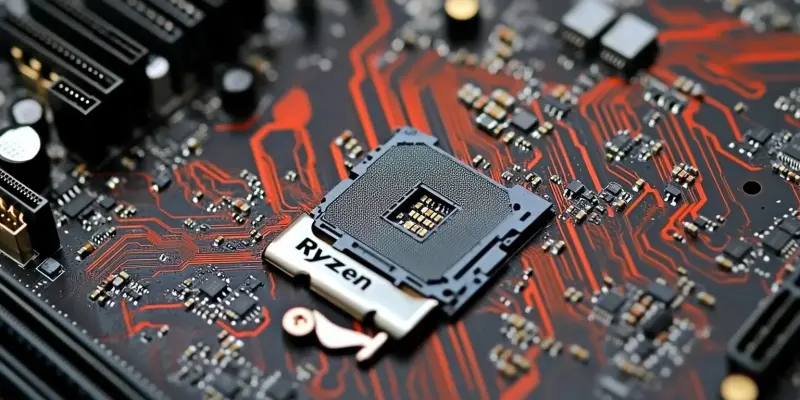
In the ever-evolving world of personal computing, AMD has consistently been at the forefront of innovation, particularly with its Ryzen series of CPUs. With the AM5 socket poised to support the latest Ryzen processors, understanding the various motherboard chipsets available becomes crucial for both enthusiasts and everyday users. The choice of chipset impacts not just immediate performance but also future-proofing against upcoming technological advancements. This comprehensive guide delves into the nuances of the available AM5 motherboard chipsets, comparing their features and determining their suitability for different user profiles.
Understanding Chipsets
The Role of Chipsets in Modern Motherboards
The chipset in a motherboard acts as a vital intermediary, managing communication between the CPU and other essential components such as memory, storage, and peripherals. Historically, chipsets were divided into two sections: the northbridge and the southbridge. The northbridge connected the CPU directly to high-speed components like RAM and graphics cards, while the southbridge handled other peripheral connections. However, modern CPUs, including AMD’s Ryzen series, have integrated northbridge functionality directly, streamlining the communication process and enhancing overall system efficiency. This integration facilitates more direct and faster data exchanges, making it a critical aspect of motherboard design and selection.
The simplification of chipset architecture has allowed for advancements in motherboard technology, maximizing performance and feature sets. For AMD Ryzen CPUs, the chipset plays an integral role in determining the accessibility and efficiency of various system components. As users demand more from their devices, from high-speed data transfers to seamless multi-tasking capabilities, the role of the chipset has expanded to accommodate these requirements.
Evolution of Chipset Technology
The evolution of chipset technology is marked by significant strides in integrating various functions directly into the CPU, resulting in more powerful and efficient motherboard designs. For instance, the integration found in modern Ryzen CPUs eliminates the need for a separate northbridge, thereby reducing latency and increasing the speed of data transactions. This shift has enabled Ryzen CPUs to support more robust features such as advanced PCIe lanes and higher-speed USB standards, directly impacting motherboard performance and capabilities.
This technological progression has also introduced new standards and expectations. Modern chipsets now come with enhanced support for features like PCIe 5.0 and USB 4.0, which are designed to handle the high data transfer rates demanded by contemporary applications, from gaming to content creation.
Chipset Variety and Differentiation
The diverse range of chipsets available today offers significant differentiation in terms of performance, power efficiency, and specialized functionalities. This variety caters to different segments of the market, from high-end gaming and data processing to everyday consumer electronics, ensuring that there is a chipset designed to meet the specific needs of various applications and users.
Overview of Available Chipsets
AMD offers a diverse lineup of chipsets for its Ryzen AM5 platform, catering to different user needs and budgets. The main offerings include the X870E, X870, X670E, X670, B650E, B650, A620, and the newer B850 and B840 chipsets. Each of these chipsets comes with a unique set of features and capabilities, enabling users to select the most appropriate one based on their specific requirements. For instance, the high-end X870E and X670E chipsets are designed with advanced users in mind, offering maximum performance and comprehensive connectivity options.
In contrast, the B650E and B850 chipsets provide a balanced approach, delivering robust performance without the premium price tag associated with the X-series. These chipsets support PCIe 5.0 for graphics cards and M.2 drives, making them suitable for gamers and general users who require a balance between cost and performance. On the other end of the spectrum, the A620 and B840 chipsets cater to budget-conscious users or those looking to upgrade older systems.
“E” Designation and Its Significance
The “E” designation found in chipsets like the X670E and B650E is particularly noteworthy, signifying support for PCIe 5.0 connections. This feature is crucial for users who require the highest performance levels and future-proofing capabilities. PCIe 5.0 offers significantly higher data transfer rates compared to previous versions, making it ideal for high-bandwidth applications such as advanced graphics cards and NVMe SSDs.
PCIe Lanes and USB Port Configuration
Understanding PCIe lanes and USB port configuration is crucial for optimizing the performance of a computer system, as both play significant roles in determining the speed and efficiency of data transfer and peripheral connectivity.
Importance of PCIe Lanes
The number and version of PCIe lanes in a chipset are pivotal in determining the system’s performance and compatibility with high-bandwidth components. Ryzen CPUs, particularly those in the Ryzen 7000 and 9000 series, feature 28 PCIe lanes dedicated to connecting essential components like graphics cards and NVMe SSDs. The availability of PCIe 5.0 lanes in certain chipsets further amplifies this potential, providing data transfer speeds that are significantly faster than previous generations.
The impact of PCIe lanes on overall system performance cannot be overstated. The difference in PCIe lane versions (5.0 vs. 4.0) can significantly influence the compatibility and future-proofing of a system.
USB Port Evolution
Alongside PCIe lanes, the evolution of USB port configurations in modern motherboards has emphasized speed and versatility. The transition from USB 3.0 to USB 4.0 represents a significant leap in data transfer capabilities, reflecting broader industry trends toward faster and more reliable connections.
Usage Scenarios and Recommendations
High-End Users: X870/X870E/X670E/X670
For high-end users who demand maximum performance, the X870, X870E, X670E, and X670 chipsets are the optimal choices. These chipsets are tailored for those who require the best in terms of performance, connectivity, and future-proofing. They offer extensive support for advanced features, including numerous PCIe 5.0 lanes and USB4 ports, making them ideal for professionals such as content creators, video editors, and game developers who need to connect multiple high-speed devices simultaneously. The inclusion of advanced Wi-Fi 7 support further enhances their appeal, providing faster and more stable wireless connections.
Gamers and General Users: B650E/B650/B850
For gamers and general users looking for a balance between performance and cost, the B650E, B650, and B850 chipsets provide an excellent middle ground. These chipsets support PCIe 5.0 for graphics cards and M.2 drives, ensuring that users can enjoy high-speed performance without breaking the bank.
Budget-Conscious Users: A620/B840
For budget-conscious users or those looking to upgrade older systems, the A620 and B840 chipsets offer practical and cost-effective solutions. While these chipsets may not support the latest PCIe 5.0 or have as many advanced features, they still provide reliable performance for less intensive tasks.
Overarching Trends and Consensus
Increased Support for Higher PCIe Versions
One of the clear trends highlighted in the analysis of the AMD Ryzen AM5 motherboard chipsets is the increased support for higher PCIe versions, particularly PCIe 5.0. This trend reflects the industry’s commitment to accommodating faster data transfers and better overall performance.
Consolidation of Functionality
Another significant trend observed in the evolution of AMD Ryzen AM5 motherboard chipsets is the consolidation of functionality into fewer, high-speed lanes and the declining necessity for multi-GPU setups. By integrating more functions directly into the CPU and supporting a higher number of high-speed lanes, modern chipsets can offer robust performance without the complexity and potential pitfalls associated with older, more fragmented designs.
Summary of Main Findings
The main findings indicate a comprehensive analysis of current trends and outcomes. First, there is a significant focus on market dynamics that shape the industry. Second, the data suggests an increasing demand for innovative solutions. Third, the research highlights critical areas for potential growth and development. Furthermore, the findings underscore the importance of strategic planning and foresight in navigating future challenges. In conclusion, the study provides valuable insights that could inform policy-making and drive sustainable progress.
CPU Integration with Chipsets
The integration of many functions directly into the CPU has significantly simplified motherboard designs and enhanced direct connectivity performance. Modern Ryzen CPUs exemplify this trend by incorporating features previously managed by the northbridge, thereby reducing latency and improving data transfer speeds.
PCIe and USB Evolution
The evolution from PCIe 3.0 to PCIe 5.0 and the inclusion of advanced USB standards highlight the industry’s focus on speed and capacity.
Target User Recommendations
In the rapidly changing landscape of personal computing, AMD has consistently led the charge with its innovative Ryzen series of CPUs. The introduction of the AM5 socket, which supports the latest Ryzen processors, has prompted users to pay close attention to the variety of motherboard chipsets available. This decision plays a significant role not only in current performance capabilities but also in the ability to stay updated with future technological advancements.