

What does it take to fuel the relentless march of artificial intelligence in today’s tech-driven world, and how is raw computational power becoming the backbone of this revolution? The answer lies in the hands of Cipher Mining Inc., a Nasdaq-listed leader in cryptomining and high-performance computing (HPC), which has just secured a staggering $3 billion deal with AI cloud firm Fluidstack, backed by a strategic investment from Google. This landmark agreement, unveiled in 2025, isn’t just about numbers—it’s a glimpse into the infrastructure race that will define the future of AI innovation. Dive into this story of ambition and technology as Cipher positions itself at the epicenter of a digital revolution.
A Monumental Leap in the AI Infrastructure Arena
This partnership marks a turning point for Cipher Mining as it transitions from a cryptomining specialist to a heavyweight in the HPC sector. The $3 billion contract with Fluidstack, supported by Google’s financial muscle, underscores the critical need for robust data centers to power AI’s insatiable appetite for processing capacity. It’s a deal that doesn’t just boost Cipher’s bottom line—it signals a seismic shift in how tech companies are aligning to tackle the computational challenges of tomorrow.
The significance of this collaboration cannot be overstated. With AI applications permeating industries from healthcare to finance, the demand for scalable, efficient infrastructure has skyrocketed. Cipher’s bold move, backed by a tech giant like Google, places it at the forefront of addressing this global need, setting a precedent for others in the industry to follow.
Why AI Data Centers Are Tech’s New Lifeline
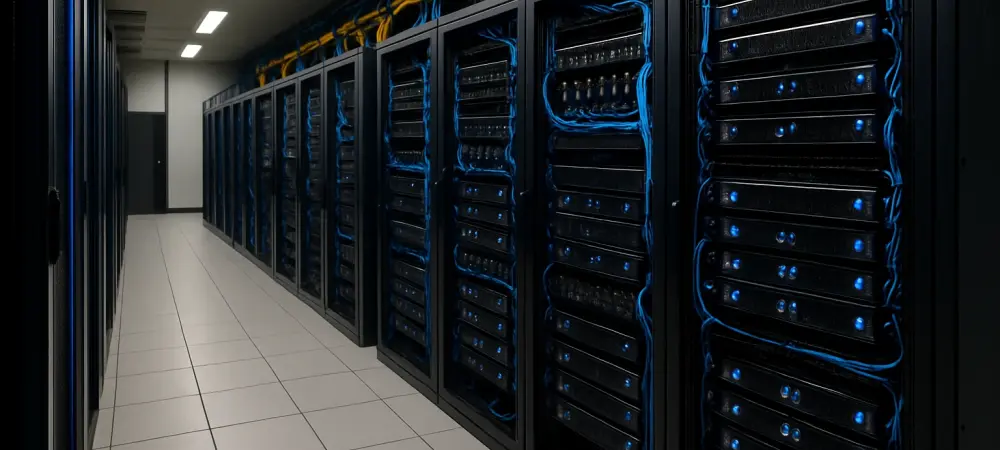
Behind every AI breakthrough lies a hidden hero: the data center. These facilities, once primarily tied to cryptomining, have evolved into indispensable assets for training complex AI models that require immense computational resources. Cipher Mining’s strategic pivot to HPC reflects a broader trend where infrastructure isn’t just a support system—it’s the foundation of technological progress.
The stakes are high in this rapidly expanding field. Industry reports estimate that the global AI infrastructure market will grow by over 30% annually through 2027, driven by the need for real-time data processing and machine learning capabilities. Partnerships like Cipher’s with Fluidstack and Google are pivotal in meeting these demands, ensuring that the tech ecosystem can keep pace with innovation’s relentless speed.
This shift also highlights a critical challenge: scalability. As AI workloads multiply, companies must invest in facilities that can expand without compromising efficiency. Cipher’s focus on high-capacity sites offers a glimpse into how the industry is adapting to support the next wave of digital transformation.
Inside the $3B Pact: Terms and Tactical Plays
The nuts and bolts of Cipher Mining’s agreement with Fluidstack reveal a meticulously crafted strategy. Under a ten-year HPC colocation contract, Cipher will deliver 168MW of critical IT load—backed by a maximum 244MW of gross capacity—at its Barber Lake site in Colorado City, Texas, starting in late 2026. Valued at $3 billion over the initial term, the deal could balloon to $7 billion with two optional five-year extensions.
Google’s role adds another layer of intrigue. The tech titan is backstopping $1.4 billion of Fluidstack’s lease obligations, facilitating project debt financing, and has secured warrants for approximately 24 million shares of Cipher’s stock, equating to a 5.4 percent equity stake. This investment mirrors Google’s involvement in a parallel deal with TeraWulf, where it took a 14 percent stake for 360MW of capacity, pointing to a pattern of tech giants betting big on HPC infrastructure.
Cipher’s broader portfolio amplifies the deal’s impact. Beyond Barber Lake, which can scale to 500MW, the company boasts sites like Black Pearl (up to 300MW) and Reveille (200MW), alongside other projects slated for completion by 2027, each with 500MW potential. This expansive footprint showcases Cipher’s readiness to dominate both cryptomining and HPC markets through calculated growth.
Industry Leaders Weigh In on a Transformative Alliance
Voices from the top echo the monumental nature of this collaboration. Cipher’s CEO, Tyler Page, hailed the agreement as a “transformative transaction,” noting its role in cementing the company’s momentum in HPC and opening doors to future opportunities. His optimism reflects a deep belief in the partnership’s potential to reshape Cipher’s trajectory in a competitive landscape.
Fluidstack’s co-founder and president, César Maklary, echoed this sentiment, emphasizing a unified vision for building essential AI infrastructure. Such alignment between partners suggests a shared understanding of the urgent need for cutting-edge facilities to support emerging technologies. Their combined enthusiasm paints a picture of a deal rooted in mutual ambition.
Google’s involvement adds a stamp of industry validation. By repeatedly investing in HPC providers like Cipher and TeraWulf, the tech giant signals unwavering confidence in the sector’s growth. This endorsement isn’t just financial—it’s a powerful nod to the critical role of computing capacity in driving AI advancements across diverse fields.
Charting the Path Ahead: Cipher’s Model for Success
Cipher Mining’s strategy offers a roadmap for others navigating the HPC and AI landscape. A key pillar is leveraging partnerships with industry leaders like Google, whose $1.4 billion backstop and SoftBank’s $50 million investment provide both capital and credibility. These alliances demonstrate how strategic backing can propel a company into new realms of opportunity.
Another lesson lies in infrastructure scalability. Cipher’s focus on high-capacity sites, such as the 500MW-capable Barber Lake and other projects in development, ensures preparedness for the surging demands of AI workloads. This forward-thinking approach positions the company to adapt swiftly to market needs, a critical factor in a fast-evolving industry.
Finally, balancing ownership with financial ingenuity stands out as a sustainable growth tactic. By retaining full control of Barber Lake while accessing capital markets for funding, Cipher showcases a model that mitigates risk while maximizing potential. This blueprint provides valuable insights for businesses and investors aiming to carve out a niche in the high-stakes world of HPC.
Reflecting on a Milestone with Eyes on Tomorrow
Looking back, Cipher Mining’s $3 billion deal with Fluidstack and Google marked a defining chapter in the company’s journey. It solidified a shift from cryptomining roots to a prominent role in high-performance computing, driven by a vision to power AI’s future. The partnership delivered not just revenue but also a strengthened foothold in a fiercely competitive arena.
Beyond this achievement, the collaboration underscored the indispensable role of infrastructure in technological advancement. As the demand for AI resources continued to soar, Cipher’s expansive portfolio and strategic alliances offered a robust foundation for sustained growth. The involvement of Google further validated the urgency of such investments, highlighting a collective push toward innovation.
Moving forward, the industry faces a clear imperative: expand capacity while fostering collaboration. Companies need to prioritize scalable solutions and seek partnerships that amplify impact, ensuring readiness for AI’s next frontier. Cipher’s story serves as a catalyst, urging stakeholders to invest in the infrastructure that will shape the digital landscape for generations to come.