

Setting the Stage for Digital Dominance in Europe
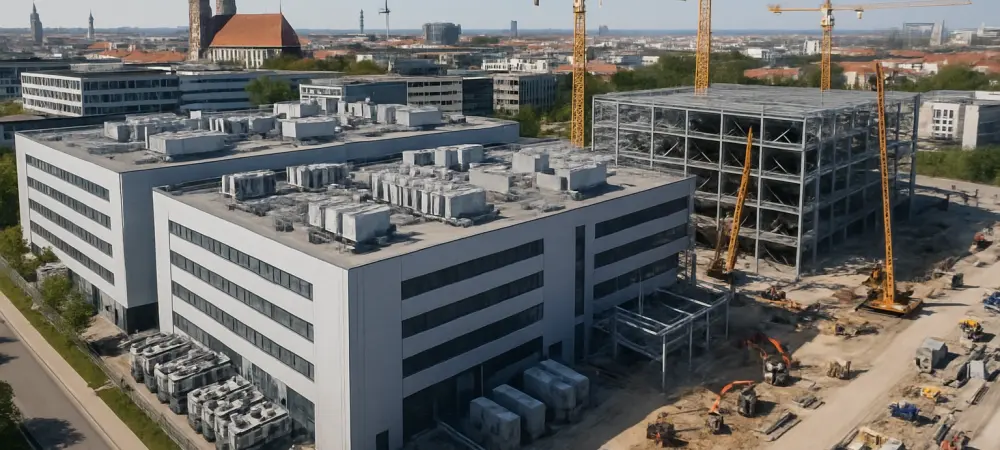
Imagine a Europe where every millisecond of data transfer could determine the success of a business, where digital infrastructure serves as the backbone of economic growth and shapes the competitive landscape. This is the reality driving the data center industry today, as demand for low-latency, high-capacity solutions skyrockets across the continent. Portus Data Centers, a key player in this space, has initiated a significant expansion with its second facility in Munich, Germany, known as Munich 2 (MUC2). Located in Kirchheim, this development is poised to add substantial capacity and strengthen Munich’s position as a digital hub. This analysis explores the market dynamics driving such expansions, the strategic implications for the European digital economy, and the future trends that will define this sector.
The purpose of this examination is to uncover how projects like MUC2 reflect broader market needs and what they signal for businesses reliant on robust digital infrastructure. With data sovereignty and sustainability becoming critical priorities, understanding these movements offers valuable insights for stakeholders across industries. The focus here is not just on one company’s growth but on how such initiatives are reshaping the competitive landscape of digital services in Europe.
Diving into Market Trends and Strategic Expansion
Unpacking the Surge in Localized Data Center Demand
The data center market in Europe is experiencing unprecedented growth, driven by the rapid adoption of cloud computing, IoT, and AI technologies. Industry reports indicate that demand for localized infrastructure has risen sharply, with edge computing needs growing by over 30% annually in recent years. Portus Data Centers’ decision to expand in Munich with MUC2, adding 2,200 square meters of space and 5.5MW of capacity, directly addresses this trend. The facility, set to be operational by early 2027, will increase total capacity at the Munich site to 7MW, catering to businesses that require immediate, high-performance data processing.
This surge is not merely a numbers game; it reflects a deeper shift toward proximity-driven solutions. Companies in sectors such as finance, gaming, and e-commerce are increasingly prioritizing low-latency services to enhance user experiences and operational efficiency. However, the market faces challenges, including high construction costs and the need to balance performance with energy consumption. Portus must navigate these hurdles to maintain a competitive edge in a region already bustling with digital activity.
Munich’s Emergence as a Digital Powerhouse
Munich stands out as a strategic location for data center investments, thanks to its robust business ecosystem and connectivity to southern European markets. The expansion of MUC2 reinforces the city’s role as a cornerstone of Europe’s digital economy, responding to Germany’s accelerating digital transformation across industries. Bavaria, as a region, benefits from such investments, which bolster digital resilience and align with European goals for data sovereignty—an issue gaining traction amid geopolitical concerns over data security.
Comparing Munich to other German hubs like Frankfurt reveals unique advantages, including a diverse industrial base and proximity to key markets. Yet, potential regulatory shifts around data privacy pose risks that could impact future operations. On the upside, facilities like MUC2 could attract further tech investments, fostering a cycle of innovation and economic growth. This positions Munich not just as a local leader but as a critical node in the broader European digital network.
Sustainability as a Market Differentiator
Sustainability has emerged as a defining factor in the data center industry, with energy consumption under intense scrutiny across Europe. Portus Data Centers is prioritizing environmentally conscious designs for MUC2, aiming to integrate efficient technologies that align with EU carbon neutrality targets for 2050. Innovations such as AI-driven cooling systems and renewable energy sources are becoming benchmarks for new facilities, offering a path to reduce carbon footprints significantly.
Despite these advancements, public misconceptions often paint data centers as inherently energy-intensive, overshadowing progress in green technology. The reality is that modern designs can achieve substantial efficiency gains, and companies like Portus have an opportunity to lead by example. Navigating regional differences in energy costs and policies will be crucial, as will educating stakeholders on the tangible benefits of sustainable infrastructure. This focus could set a new standard for market entrants and reshape competitive dynamics.
Forecasting the Future of Data Center Investments
Technological Innovations Shaping the Horizon
Looking ahead, the data center sector is set for transformative growth, with Europe’s market capacity projected to double over the next decade. The rise of 5G, IoT, and AI workloads will further fuel demand for edge facilities like MUC2, which bring computing power closer to end users. Technological advancements, including modular designs and liquid cooling, promise to enhance scalability and efficiency, addressing some of the industry’s most pressing challenges.
Economic and regulatory pressures, such as fluctuating energy costs and stricter data protection laws, are likely to influence investment strategies. Data center providers may need to adopt hybrid models, combining rapid expansion with continuous innovation, to stay ahead. The trajectory of projects like MUC2 could serve as a blueprint for balancing growth with adaptability, offering lessons for how the industry evolves in response to emerging demands.
Strategic Implications for Market Players
The implications of these trends extend beyond individual projects to the broader competitive landscape. Localized infrastructure is becoming a non-negotiable for businesses aiming to maintain agility in a data-driven world. Munich’s growing prominence highlights the value of regional ecosystems, where proximity to clients and robust connectivity drive technological progress. For market players, aligning with providers that prioritize both performance and sustainability will be key to long-term success.
Additionally, the emphasis on green practices is shifting from a niche concern to a core competitive factor. Companies that fail to integrate sustainable solutions risk falling behind, both in terms of regulatory compliance and brand perception. As the market evolves, strategic partnerships and investments in cutting-edge technology will likely define the leaders of tomorrow, with facilities like MUC2 paving the way for industry standards.
Reflecting on Insights and Charting the Next Steps
Looking back, the market analysis of Portus Data Centers’ expansion in Munich revealed critical shifts in the digital infrastructure landscape. The surge in demand for localized, low-latency solutions underscored the strategic importance of projects like MUC2, while Munich’s rise as a digital hub highlighted regional strengths. Sustainability emerged as a pivotal differentiator, reflecting broader European priorities that shape investment decisions.
For businesses and industry stakeholders, the path forward involves actionable strategies to leverage these insights. Partnering with forward-thinking providers to access high-performance infrastructure is essential, particularly for latency-sensitive applications. Additionally, prioritizing sustainability in digital strategies offers a dual benefit of compliance and enhanced market positioning. As the sector continues to evolve, staying attuned to technological and regulatory developments becomes a vital step, ensuring resilience and competitiveness in an increasingly connected world.