

Introduction
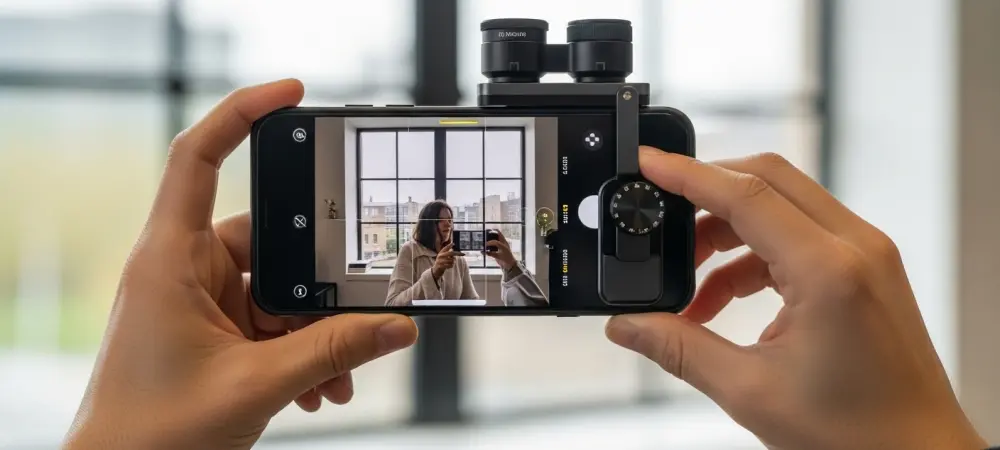
Modern mobile imaging has advanced to a stage where the distinction between a dedicated optical instrument and a pocketable device is no longer defined solely by sensor size but by the tactile interaction between the user and the machine. As smartphones adopt larger glass elements and sophisticated processing, the physical act of photography remains a hurdle for many traditionalists. The Xiaomi 17 Ultra seeks to bridge this divide through specialized peripheral kits designed to mimic the ergonomics and manual control of a high-end mirrorless setup.
This exploration evaluates whether these hardware additions truly elevate a phone to a professional status or if they remain enthusiast-level novelties. By examining the technical specifications of the Pro and standard kits, the objective is to clarify how manual dials, physical shutter buttons, and filter support alter the creative workflow. Readers will gain insight into the specific hardware differences and the practical implications for street and studio photography within the current mobile landscape.
Key Questions or Key Topics Section
What Differentiates the Photography Kit Pro From the Standard Version?
Choosing between professional-grade accessories often comes down to the connection type and the level of integration with the primary device hardware. The Pro kit utilizes a high-speed USB-C connection, allowing for a more robust data transfer and sophisticated power management during long shooting sessions. This version includes a substantial 2,000mAh internal battery capable of providing 90W HyperCharge pass-through to keep the smartphone powered when the primary cell begins to drain.
In contrast, the standard kit relies on a wireless Bluetooth connection and a significantly smaller 270mAh battery, which requires a separate two-pin cable for independent charging. While the standard model covers the fundamental needs of a hobbyist, the Pro version offers a comprehensive control suite including a zoom lever and a customizable dial for deeper manual intervention. The Pro kit also features a modular magnetic case design with interchangeable rings, whereas the standard version employs a more fixed, integrated grip.
How Does the Hardware Interface Improve the Mobile Shooting Experience?
Professional photography relies heavily on muscle memory and the ability to change settings quickly without diverting attention to a digital screen. These kits transform the flat surface of a smartphone into a textured, ergonomic tool that supports secure one-handed operation through dedicated thumb rests. The inclusion of a two-stage shutter button allows for the traditional focus and recompose technique, which is often difficult to replicate accurately on a glass touchscreen.
Furthermore, the Pro version features a dedicated video recording button and a physical dial that can be mapped to variables like aperture, shutter speed, or white balance. The integration of the Fastshot mode is particularly valuable for those working in fast-paced environments like street photography, as it allows the camera to activate and capture an image at a predetermined focal length in less than a second. By removing the friction of navigating menus, the kit enables a level of spontaneity that was previously reserved for dedicated compact cameras.
Can Standard Professional Accessories Be Used With These Mobile Kits?
One of the historical limitations of mobile photography has been the inability to use high-quality light-modifying glass without bulky adapters. A standout feature of these Xiaomi kits is the inclusion of a 67mm filter adapter ring, which opens up a vast ecosystem of professional-grade optics. Rather than relying on proprietary clip-on lenses that often degrade image quality, users can attach industry-standard circular polarizers or neutral density filters directly to the phone.
This capability allows for sophisticated long-exposure work or cinematic light blooming that software filters still struggle to replicate with total authenticity. The modular nature of the Pro kit case means these rings can be swapped out quickly, providing flexibility in the field for different lighting conditions. This move toward standardization suggests a shift in how manufacturers view mobile devices, treating them as central hubs within a larger photographic ecosystem rather than isolated gadgets.
What Are the Primary Ergonomic and Power-Related Trade-Offs To Consider?
Every hardware expansion brings a set of compromises regarding weight, portability, and the functionality of secondary features like wireless charging. While the grips significantly improve stability, they add noticeable bulk and generally interfere with MagSafe-style magnetic charging and other rear-mounted accessories. The specialized case must remain on the phone to use the grip, which may not be ideal for users who prefer a slim profile for daily tasks.
Additionally, while the IP54 rating provides some peace of mind against dust and splashes, it does not make the device fully waterproof for underwater use. Pricing also serves as a point of consideration, with the Pro kit carrying a premium of approximately €200 compared to the €140 price tag of the standard version. Potential users must weigh the benefits of a physical zoom lever and high-speed charging against the increased cost and the reality of carrying additional hardware in their pockets.
Summary or Recap
The Xiaomi 17 Ultra Photography Kits represent a significant step toward narrowing the gap between mobile convenience and professional control. By offering tactile buttons, dedicated power reserves, and support for 67mm filters, these accessories move the smartphone experience closer to that of a dedicated camera. The Pro kit stands out as the superior choice for power users due to its USB-C integration and expanded control dial, while the standard kit serves as an ergonomic upgrade for casual enthusiasts. Both kits prioritize physical feedback and stability, ensuring that the act of taking a photo is as precise as the digital output.
Conclusion or Final Thoughts
The decision to invest in these specialized kits ultimately depended on how much a photographer valued the tactile experience over pure software automation. Those who transitioned to these accessories found that the ability to control exposure and focus through physical dials fundamentally changed their creative approach to mobile shots. As the industry progressed, it became clear that the future of high-end mobile imaging resided in this hybrid space where hardware and software worked in perfect unison. Moving forward, creators should consider how these tools might fit into their existing workflows or if a traditional mirrorless system still held the edge for their specific needs. This evolution invited a broader discussion on whether the camera of the future was a single device or a modular system of interconnected parts.