

Dominic Jainy brings a wealth of knowledge from the high-stakes worlds of artificial intelligence and blockchain, yet his passion often grounds itself in how these complex technologies manifest in our daily gadgets. With an eye for hardware synergy and the evolving needs of the digital creator economy, he offers a unique perspective on the intersection of mobile computing and professional media production. This discussion focuses on the recent launch of a specialized secondary display designed to unlock the untapped potential of high-end smartphone cameras, examining how physical connectivity and thoughtful mounting solutions are reshaping the vlogging landscape.
With high-end smartphones boasting incredible rear camera sensors, why do you think creators still struggle with framing, and how does a device like the Viltrox DC-T1 solve this specific frustration?
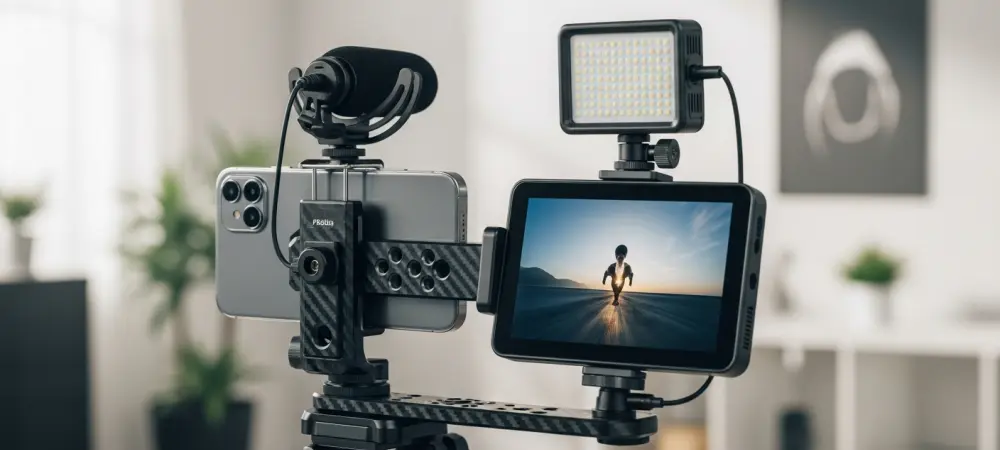
Creators often feel a sense of blindness when trying to capture high-quality vlogs using their phone’s best sensors, which are almost always located on the back of the device. The Viltrox DC-T1 steps in as a professional-grade 5-inch touchscreen that finally lets you see exactly what the 1080×1920 resolution sensor is capturing in real-time. By providing a crisp 400 nits of brightness, it ensures that even in tricky outdoor lighting, you aren’t guessing where your head is in the frame or if your focus has drifted. This hardware solution bridges the gap between professional cinematography and the portable nature of modern mobile devices, making “blind filming” a thing of the past.
How do the technical specifications, such as the triple port selection and display quality, impact the actual day-to-day user experience for a mobile videographer?
The triple USB-C port configuration is a stroke of engineering genius for a device priced at only about $74 at its Chinese launch. You have one dedicated port for the video input, a second for power passthrough so your phone doesn’t die during a long recording session, and a third specifically for connecting an external microphone. This creates a tactile, wired ecosystem that feels much more reliable and professional than the laggy wireless alternatives we have seen hit the market recently. Having physical quick buttons on the chassis to flip the screen or adjust brightness allows for immediate feedback without fumbling through software menus while you are trying to stay in character.
What are the practical trade-offs regarding the wired-only connection and the versatile mounting system included with this display?
While some might crave a wireless experience, the necessity of a USB-C connection ensures there is virtually zero latency between the camera’s lens and your eyes. However, this means users must ensure their smartphone supports USB-C display output, as the device simply mirrors the phone’s screen rather than running its own independent operating system. On the mounting side, the included magnetic mount is incredibly versatile for various rig setups, featuring a standard 1/4-inch screw port and a cold shoe mount. This allows a creator to stack essential accessories like the Ulanzi VL49 light, which costs around $15.95, effectively transforming a simple smartphone into a full-scale production rig.
How does the pricing and professional marketing of this device position it within the competitive landscape of camera accessories?
At a launch price of CNY 499, Viltrox is effectively disrupting the high-end accessory market by offering professional features at a consumer-friendly price point of roughly $74. The “professional” branding isn’t just marketing fluff; the inclusion of dedicated buttons and a high-resolution touchscreen suggests a tool built for the rigors of daily content creation. While it is currently only available in China, Viltrox has a strong global presence that suggests we might see an international debut soon. This device represents a shift toward making high-quality production values accessible to anyone with a modern smartphone and a story to tell.
What is your forecast for the future of mobile-first cinematography accessories?
I expect we will see a rapid evolution where the line between a smartphone and a mirrorless camera becomes almost indistinguishable thanks to modular peripherals. As manufacturers like Viltrox continue to provide low-latency, high-brightness external monitors, more creators will abandon bulky traditional cameras for these nimble mobile rigs. We will likely see more integrated power solutions and perhaps even AI-driven framing tools built directly into these secondary screens to assist solo shooters. The $70 to $100 price bracket will become the new battleground for professional-grade mobile gear, making high-end filmmaking more democratic than ever before.