

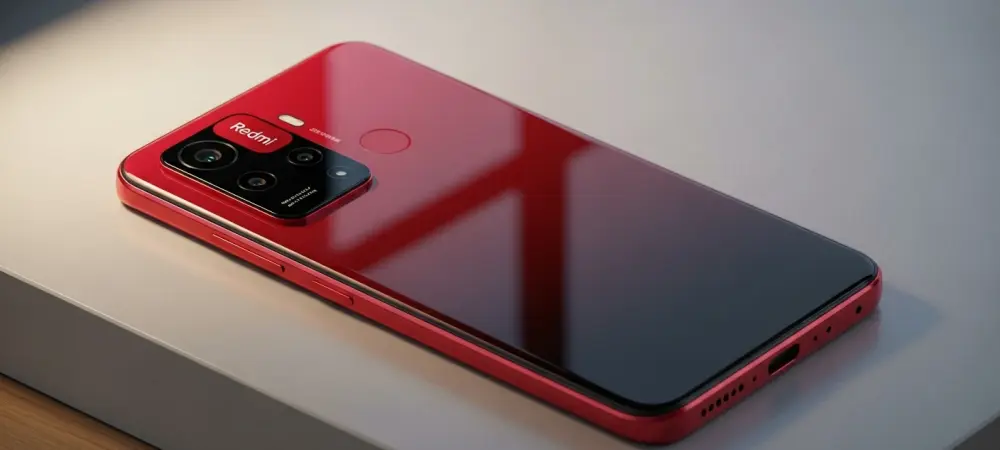
The rapid acceleration of mobile technology has created a landscape where consumers expect a seamless blend of industrial artistry and raw computational capability in every new release. This expectation is at the forefront of the latest reveals surrounding the Redmi K100 Pro, a device that appears poised to redefine the standards of the high-performance smartphone segment through meticulous design and internal upgrades. Early teasers suggest that the manufacturer has moved beyond mere incremental improvements, instead opting for a comprehensive overhaul of the physical chassis and the underlying silicon architecture. By focusing on the tactile experience as much as the technical specifications, the brand is attempting to capture the attention of both enthusiasts and professional users who require reliability in a sophisticated package. As the market reaches a saturation point with similar glass-slab designs, this new entry seeks to distinguish itself by offering a unique visual identity paired with the most advanced processing power available today. Such a move signals a strategic shift toward long-term brand elevation and a deeper commitment to user-centric engineering in an increasingly competitive global marketplace.
Evolution of the Physical Form Factor
Sophistication in Design: The New Visual Identity
The design language of the new flagship demonstrates a significant leap toward industrial minimalism, utilizing a high-grade magnesium-aluminum alloy frame that provides structural rigidity without adding unnecessary weight to the overall profile. Unlike previous iterations that focused heavily on aggressive gaming aesthetics, the teaser reveals a sleek, matte finish that resists fingerprints and offers a more professional appearance suitable for a variety of environments. The transition from a curved back to a more balanced, ergonomic structure ensures that the device feels substantial yet comfortable during extended periods of usage. Such a shift indicates a strategic move to appeal to a broader demographic, including business professionals who demand both style and substance. Furthermore, the integration of a new glass technology on the rear panel enhances the depth of color while providing a silky texture that significantly improves the grip, making the device feel like a singular, cohesive piece of engineering that resists daily wear. Attention to detail is evident in the redesigned camera module, which now features a more integrated layout that minimizes the physical protrusion from the main body of the smartphone. This refinement is not merely aesthetic; it serves a functional purpose by reducing the wobble when the phone is placed on flat surfaces and protecting the lens elements from accidental impacts. The teaser highlights a symmetrical arrangement of the sensors, suggesting a focus on balance and precision that mirrors the internal hardware layout. This design choice reflects a broader industry trend where the camera housing is treated as a centerpiece of the device’s personality rather than an afterthought. Additionally, the bezels surrounding the display have been further reduced to achieve a nearly borderless look, creating an immersive viewing experience that maximizes the screen-to-body ratio. By focusing on these minute adjustments, the manufacturer has created a device that feels contemporary and purposeful, setting a high standard for aesthetic excellence.
Visual Immersion: Advancements in Display Technology
The primary interface of the smartphone remains its display, and the latest teasers indicate a massive leap in panel technology with the implementation of a fourth-generation LTPO AMOLED screen. This new panel is capable of achieving a peak brightness that ensures perfect legibility even under direct midday sunlight, addressing a common complaint among mobile professionals. The variable refresh rate now scales more efficiently between one and one hundred forty-four hertz, providing fluid animations when needed and extreme power savings during static tasks like reading text. Additionally, the bezels have been narrowed to a uniform thickness around the entire perimeter, creating a “floating” screen effect that maximizes the immersion for video content and gaming. This achievement is made possible through a new chip-on-film packaging technique that hides the display drivers more effectively beneath the bottom edge. The result is a device that offers a significantly larger viewing area without increasing the overall footprint.
Color accuracy and eye comfort have also been prioritized, with the inclusion of hardware-level blue light filtering that does not distort the natural vibrancy of the on-screen content. The new panel supports a wider color gamut, covering one hundred percent of the DCI-P3 space, which is essential for mobile photographers and videographers who require precise visual feedback. A new localized dimming algorithm allows for deeper blacks and higher contrast ratios, rivaling the performance of high-end dedicated television sets in a handheld format. The teaser also hints at an improved under-display fingerprint sensor that utilizes ultrasonic technology for faster and more secure unlocking, even when the user’s hands are wet or oily. This integration of security and display technology demonstrates a commitment to a seamless user experience where technology recedes into the background. By focusing on these high-fidelity visual upgrades, the manufacturer ensures that every interaction with the device is as vivid and responsive as possible.
Performance and Computational Power
Silicon Superiority: The 2-Nanometer Era
Beneath the refined exterior lies the most advanced mobile processor ever developed for this series, utilizing a cutting-edge 2-nanometer fabrication process to maximize transistor density. This leap in manufacturing technology allows the Snapdragon 8 Gen 5 chipset to deliver a thirty percent increase in raw processing power while simultaneously reducing energy consumption by twenty percent compared to its predecessor. Such efficiency is vital for managing the complex AI models that are now integrated directly into the operating system for tasks like real-time image enhancement and predictive text. The teaser emphasizes a new octa-core configuration that includes a dedicated “super-core” clocked at unprecedented speeds, ensuring that even the most optimized mobile games run at stable frame rates. This silicon advancement is further supported by an upgraded memory system that provides the necessary bandwidth for high-speed data transfers. By adopting this architecture, the brand is positioning its flagship as a leader in computing performance. Thermal management has been completely re-engineered to support this high-performance silicon, featuring a dual-circuit vapor chamber that covers more than sixty percent of the internal motherboard area. This system uses a new phase-change material that absorbs heat more rapidly during peak workloads and dissipates it through the metal frame with improved efficiency. The result is a device that can maintain its maximum clock speeds for significantly longer periods without the performance degradation typically caused by heat buildup. The teaser highlights a significant reduction in surface temperatures during intensive gaming sessions, which not only improves user comfort but also protects the long-term health of the internal components. This focus on cooling is a direct response to the increasing demands of modern mobile software, which requires sustained power for extended periods. By ensuring that the hardware remains cool under pressure, the manufacturer allows users to fully exploit the capabilities of the chip.
Energy Management: Beyond Traditional Battery Solutions
Powering this sophisticated hardware is a revolutionary silicon-carbon battery that offers a much higher energy density than the standard lithium-ion cells found in most contemporary smartphones. This technology allows for a massive 6,000 mAh capacity to be fitted into a chassis that remains remarkably thin and light, solving the traditional trade-off between battery life and device aesthetics. The teaser suggests that this new battery chemistry is more resilient to the stresses of high-speed charging, maintaining a higher percentage of its original capacity after hundreds of cycles. This longevity is a key selling point for users who demand a device that can keep up with a demanding schedule without requiring a mid-day top-up. Additionally, the integrated power management chip uses machine learning to analyze usage patterns and optimize energy distribution to the most critical components. This proactive approach to battery management ensures that every milliampere-hour is utilized effectively for a reliable experience. Charging capabilities have reached new heights with a 150-watt wired system that can fully charge the large 6,000 mAh battery in less than twenty-five minutes, minimizing downtime for the user. This is complemented by an eighty-watt wireless charging solution that offers nearly the same level of convenience as a wired connection without the clutter of cables. The teaser also highlights a new “cool-charge” technology that manages the voltage and current flow to keep the battery temperature low during the charging process, further extending the lifespan of the cell. This comprehensive approach to power delivery addresses the primary concerns of modern users who are always on the move and need reliable, fast energy replenishment. Furthermore, the device supports reverse wireless charging, allowing users to power up their peripherals or other smartphones in emergency situations. This versatility makes the device a central hub for the user’s mobile ecosystem, providing value that goes beyond simple smartphone functionality.
Strategic Integration: Future Considerations for Mobile Adoption
The reveal of these refined design elements and internal hardware advancements marked a significant turning point in how mobile devices were perceived by the general public. It was observed that the focus shifted away from purely cosmetic updates toward a more integrated approach where every physical change served a specific functional purpose. Analysts noted that the adoption of high-density battery chemistries and 2-nanometer silicon provided the necessary foundation for more complex mobile applications that previously required desktop-level power. The market responded positively to the emphasis on thermal stability and long-term durability, suggesting that the era of disposable electronics was being replaced by a demand for high-value, long-lasting hardware. As these technologies became more widespread, it was clear that the successful integration of AI at the silicon level would be the primary differentiator for future flagship releases. This period of development demonstrated that true innovation required a balance between aesthetics and engineering.
To maximize the benefits of these technological leaps, users were encouraged to adopt a more proactive approach to managing their mobile ecosystems and optimizing their digital workflows. Organizations that integrated these high-performance devices into their daily operations saw a measurable increase in productivity and a reduction in the need for traditional computing hardware. It was recommended that prospective buyers evaluate their specific needs for processing speed and battery longevity before committing to a new hardware cycle. Looking back at the trajectory of these releases, it became evident that the most successful products were those that prioritized a seamless transition between various use cases, from professional creativity to immersive entertainment. The development of more efficient charging standards and universal compatibility also played a crucial role in reducing electronic waste and improving the overall user experience. Moving forward, the focus remained on refining these core technologies to provide greater efficiency.