

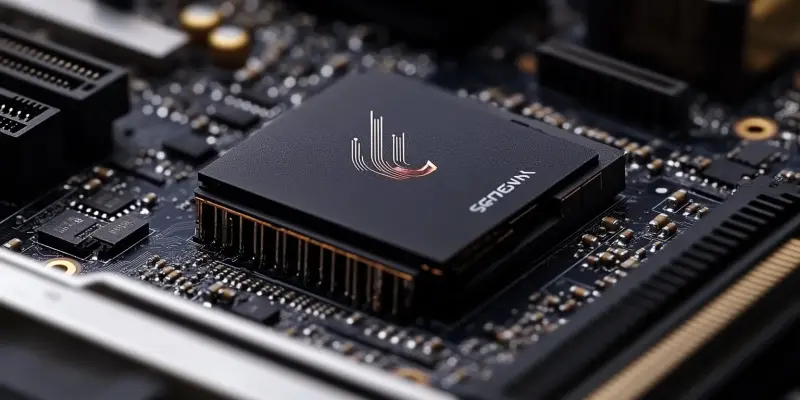
Qualcomm has made significant strides with its Snapdragon X Elite SoCs in the laptop market, garnering impressive adoption and leveraging the growing compatibility of ARM architecture, which was once the domain of Apple’s MacBook. However, as the company eyes the more competitive and complex desktop CPU market, the question arises: Can Qualcomm’s Snapdragon X Elite 2 series potentially carve out a niche in an industry long dominated by x86 architecture chips from Intel and AMD? Qualcomm’s rumored developments suggest an ambitious venture, but such a transition will require overcoming considerable challenges.
Industry analyst Roland Quandt has hinted that Qualcomm’s “Project Glymur,” initially believed to be geared towards next-generation laptop chips, might actually be tailored for desktop CPUs. Reports further reinforce this possibility, indicating that Qualcomm is testing an “SC8480XP” SKU equipped with liquid cooling—an attribute more commonly associated with high-performance desktop processors. This suggests Qualcomm is aligning its strategy with the increasing focus on “Windows on ARM,” a crucial step for the smooth integration and enhanced viability of ARM-based desktop CPUs. However, entering this market necessitates not just innovative products but also formidable execution and overcoming established competitors.
Qualcomm’s potential entry into the desktop CPU market underscores the need for substantial investments in research and development, as well as in manufacturing capabilities. The firm has already established a strong foothold in mobile CPUs with features such as advanced AI engines, which might provide some competitive leverage. Still, transitioning from making SoCs for mobile and laptop applications to high-performance desktop CPUs is a complex process. The company will have to address various technical challenges, competition pressures, and the widespread dominance of x86 systems. Moreover, Intel recently highlighted issues concerning the return rates of Qualcomm’s Snapdragon X Elite devices, pointing to performance and reliability challenges that Qualcomm must overcome to gain credibility in the desktop arena.
Despite these obstacles, Qualcomm’s efforts align with a broader industry trend—an eventual shift towards ARM architecture in mainstream devices. This trend, however, is gradual due to the deeply entrenched presence of x86-based systems that have powered desktops for decades. For Qualcomm to succeed, meticulous planning and robust innovation will be paramount. The firm’s experience in mobile CPUs, especially in features such as AI engines, does offer some advantages, but the desktop CPU market’s complexity cannot be understated. Qualcomm’s rumored desktop SoCs could exemplify the advancements within ARM architecture, but the company will need to ensure seamless integration and superior performance to compete effectively with established giants like Intel and AMD.
In conclusion, while Qualcomm’s rumored entry into the desktop CPU market holds promise, the road ahead is fraught with technological and competitive hurdles. The transition from mobile and laptop SoCs to high-performance desktop CPUs demands precise execution. Furthermore, Qualcomm must invest heavily in R&D and manufacturing to match the prowess of its x86 rivals. How the ARM architecture evolves and its adoption in mainstream devices will play a pivotal role in Qualcomm’s journey. If Qualcomm can navigate these complexities, it may well secure a prestigious place alongside established industry players in the desktop CPU market.