

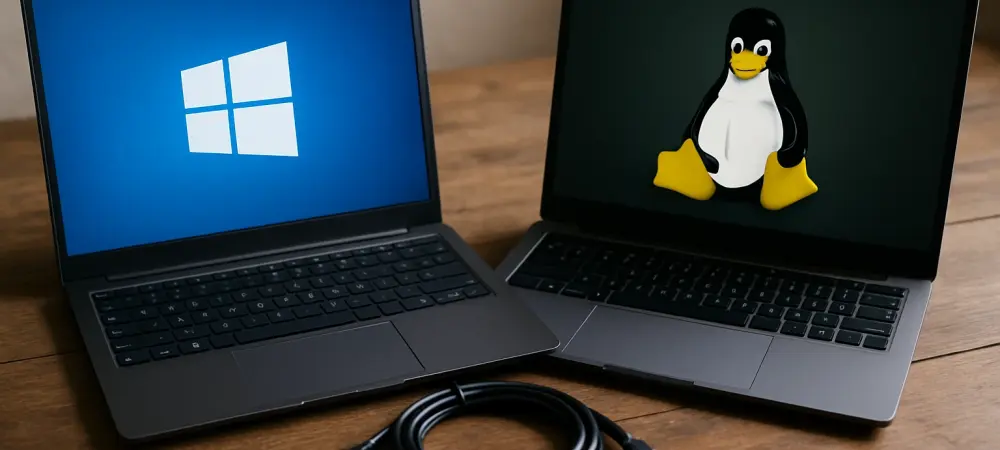
In today’s rapidly evolving tech landscape, the transition from one operating system to another often becomes a daunting task for many users. Dominic Jainy, an IT expert with a passion for artificial intelligence and blockchain, delves into such challenges with Operese, a tool designed to transition from Windows 10 to Linux. With Microsoft ending support for Windows 10 in 2025, many users face dilemmas about remaining secure without costly updates. Dominic shares insights from his experiences in creating Operese to assist this migration seamlessly.
What motivated you to create Operese?
The idea behind Operese stemmed from my experience with aging Windows machines constrained by strict upgrade requirements for newer systems like Windows 11. Many users have functional hardware that doesn’t meet these criterias, making them consider expensive alternatives or risking security vulnerabilities. I wanted to offer a solution that allows these users to continue using their devices effectively and securely.
During Operese’s development, what challenges did you face and how did you address them?
Developing Operese involved navigating several complexities, primarily ensuring a seamless transfer of data and settings from Windows 10 to Linux. It was crucial to maintain user familiarity in their new environment while solving compatibility issues with critical applications. Overcoming these challenges required extensive testing and refining of features to ensure robustness in real-world scenarios.
How does Operese facilitate the migration of Windows 10 files and settings to Linux?
Operese is designed to capture a user’s specific Windows 10 state, including files, applications, and settings, and recreate it in a Linux environment. It effectively maps and translates these elements to their Linux counterparts, thereby minimizing the transition friction and ensuring users find their familiar configurations where they expect them to be.
Could you explain how you customized Kubuntu within Operese for former Windows users?
Recognizing the steep learning curve often associated with shifting to Linux, we made strategic customizations to Kubuntu, rendering its interface as familiar and intuitive as possible to those accustomed to Windows environments. This includes tuning various elements to resemble Windows’ look and feel, aiding users in acclimating quickly.
What are some current limitations of Operese and your plans for future updates?
Operese currently struggles with certain applications that do not automatically transfer and may need manual installation. Future updates aim to streamline this process. We’re also focused on improving our compatibility layers and documentation to ease navigation for less tech-savvy users.
How does Operese simplify the transition to Linux compared to other methods?
Unlike typical software that requires a complete system wipe, Operese guides users through the migration process, ensuring essential data and applications transition smoothly. This reduces the intimidation factor commonly associated with moving to a new operating system and ensures a continuity of workflow for users.
What advantages does Linux offer for older hardware compared to Windows 11?
Linux is renowned for its optimized performance on older hardware. Unlike Windows 11, which demands more recent components, Linux’s flexibility ensures that users can continue to extract reliable performance from their existing devices, breathing new life into them without hardware upgrades.
How does Linux ensure a safer user experience after Windows 10 support ends in October 2025?
Linux’s structure inherently offers a more secure environment, thanks to its permission model and a community that regularly patches vulnerabilities. This proactive management decreases the risk of exploits that could target unsupported Windows 10 systems, making it a safer choice post-2025.
Given Operese doesn’t migrate every app automatically, which apps typically require manual installation?
More specialized or proprietary software often demands manual installation, primarily those lacking Linux equivalents or necessitating specific licensing. However, common productivity and media applications generally transfer smoothly, with remaining gaps easily bridged through available substitutes.
Could you elaborate on the improved performance and privacy Linux offers for older Windows 10 machines?
Linux is lightweight and efficient, extracting maximum utility from resources. This efficiency results in noticeable performance gains, especially on older systems. Furthermore, the Linux community’s commitment to privacy, backed by transparent and open-source development, drastically reduces user data exposure.
What’s your vision for the development of Operese and its future in open-source?
Our goal is to evolve Operese into a community-driven project, benefitting from diverse contributions that can enhance its functionality and reach. Once we achieve a stable core, we’ll open-source it to foster innovation, ensuring it remains a versatile and effective tool for anyone transitioning to Linux.
Do you foresee expanding Operese to support Linux distributions beyond Kubuntu?
While Kubuntu remains our primary focus due to its user-friendly interface and compatibility, future iterations of Operese aim to become more adaptable, supporting other Linux variations to cater to distinct user preferences and system needs.
How do tools like Wine support compatibility with Linux for applications not natively available?
Wine acts as a compatibility layer, allowing users to run Windows applications on Linux. It’s crucial for users relying on software that lacks Linux versions, providing a critical bridge maintaining functionality for essential programs during the migration.
Can you share how your development background at the University of Waterloo influenced Operese?
University life honed my problem-solving and coding skills tremendously. Collaborating with peers and professors exposed me to diverse perspectives in technology development, shaping my holistic approach to tackling the nuanced challenges of Windows-to-Linux migration.
What feedback have you received from users who’ve tried Operese, and how has it impacted your future development goals?
User feedback underscores the appreciation for the seamless experience, though it often highlights compatibility gaps which we’ve prioritized. Their insights directly shape our roadmap, guiding the focus on enhancing support for diverse setups and refining user experience continually.
How do you manage your time between work, school, and developing Operese?
Balancing these demands requires meticulous scheduling and prioritization. Critical to my routine is maintaining flexibility, allowing me to adapt schedules based on shifting priorities while ensuring consistent progress across all fronts.
Can you provide examples of specific cases where Operese successfully assisted users in transitioning to Linux?
We’ve seen instances where educational institutions used Operese to extend the life of computer labs unable to run Windows 11, preserving functionality and resources. Similarly, businesses have leveraged it to sidestep hardware upgrades, choosing Operese to sustain their operational needs cost-effectively.
What are your thoughts on the current PC ecosystem, especially regarding upgrading hardware or paying for extended support?
The ongoing cycle of forced upgrades presents financial and environmental challenges. Users deserve options that leverage existing technology sustainably without compulsory expenditures, reinforcing the need for projects like Operese that extend device lifecycles effectively.
How do you perceive the role of Linux as Windows 10’s end-of-life approaches?
Linux increasingly represents a viable alternative, largely due to its adaptability and security stance amidst changing Windows landscapes. As October 2025 draws near, I foresee an upswing in Linux adoption as users seek economic and reliable computing solutions.
What advice would you offer to someone considering switching from Windows 10 to Linux with Operese or another method?
Assess your current needs and readiness to engage with a new system. Be open to learning, and utilize the extensive online resources available. Most importantly, recognize the long-term benefits in performance, security, and cost-efficiency. Operese aims to ease this transition, making it a gateway rather than an obstacle.