

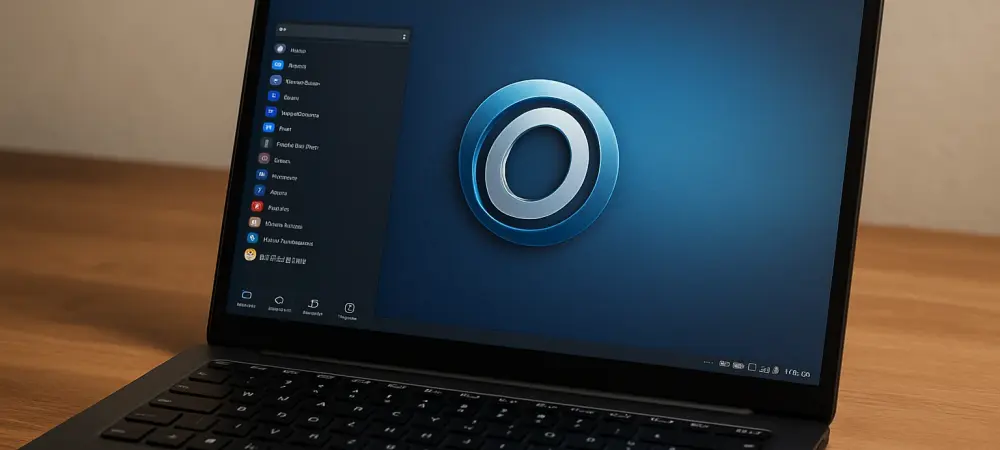
In the ever-evolving world of operating systems, KaOS Linux 2025.07 emerges as a compelling choice for users seeking a refined and modern platform. This review aims to determine whether KaOS Linux 2025.07 is a worthwhile innovation in the Linux distribution landscape. Known for its minimalist strategy, KaOS continues to focus exclusively on KDE Plasma, Qt, and x86_64 architecture, aiming to serve users seeking streamlined efficiency and aesthetics with its unique offerings.
Product Overview
KaOS Linux 2025.07 distinguishes itself with several intriguing core features. The distribution steadfastly supports KDE Plasma and the newer Qt6, completely removing Qt5-based applications, even though they remain available in repositories. This strategic move aligns with ongoing transitions in KDE applications to the 25.08 series, ensuring comprehensive Qt6 compatibility. New inclusions like KTouch and Okteta, alongside KQtQuickCharts, enhance overall system cohesion by being built on Qt6. Additional improvements encompass the introduction of Plasma 6.4, which upgrades visual appeal with enhanced window tiling and bolstered accessibility features. Furthermore, the Wayland session includes advanced input functionalities, such as numeric keypad-based pointer control and three-finger pinch gestures for zooming, accentuating user interaction capabilities. Supporting tools like Spectacle also enjoy improved recording quality under Wayland, bolstering the overall utility of the system.
Performance Evaluation
When evaluating the performance of KaOS Linux 2025.07, consistency and visual enhancements stand out prominently. The inclusion of Plasma 6.4 augments the aesthetic quality, ensuring smoother transitions and a more appealing user interface. The implementation of Wayland provides modern input functionalities, aiding user navigation and offering an intuitive system interaction experience. Updates extend to the base system, featuring the Linux kernel 6.15.7, Glib2 2.84.3, Perl 5.40.2, Bash 5.3, and Systemd 254.27. Together, these updates fortify the software stack while new graphical stack features such as Mesa 25.1.6 and Pipewire 1.4.6 highlight an evolution toward modernized system build and integration. The inclusion of the latest KDE Gear 25.04.3 and KDE Frameworks 6.16.0, running on Qt 6.9.1, indicates a focus on contemporary software compatibility and performance excellence.
Pros and Cons
KaOS Linux 2025.07 comes with notable strengths and some challenges. Among the advantages, its advanced tiling and accessibility features substantiate a user-friendly interface, catering to various needs. Further, consistent updates ensure system reliability and contemporary functionality, which many users could find appealing. On the flip side, the distribution faces challenges, especially concerning RAID installation issues, potentially hindering users reliant on RAID setups. Furthermore, the need for specific recommendations regarding ISO burning may pose initial difficulties for users unfamiliar with such requirements. Nonetheless, these are obstacles that may be resolved with subsequent updates or user guidance.
Conclusion and Recommendation
After evaluating KaOS Linux 2025.07, it becomes evident that the distribution delivers on its promise of modernization and streamlined efficiency. Designed for KDE aficionados and users prioritizing visual appeal and system integration, it excels through consistent updates and advanced features. Despite some initial hurdles regarding installation and compatibility, KaOS continues to be an inviting choice for many in the Linux community. Its dedication to continuous improvement suggests a valuable option for experienced users or those ready to embrace its specialized offerings.
Final Thoughts
Reflecting on the current version of KaOS Linux, it presents opportunities worth considering for users looking for innovation in their operating system experience. Best suited for those with a penchant for KDE and a firm understanding of Linux systems, KaOS 2025.07 offers a unique blend of modern features and refined aesthetics. Users contemplating a transition to this platform should prepare to engage proactively with its specific system intricacies, ensuring an effective and rewarding experience.