

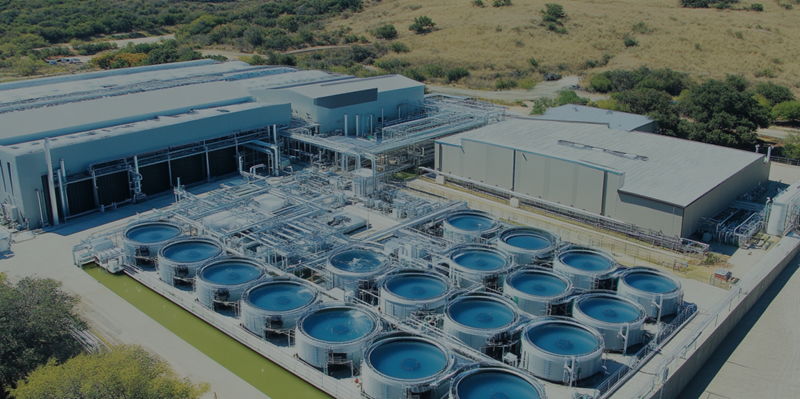
Microsoft is aiming to substantially change the sustainability landscape of its data centers by implementing a zero-water evaporation design. This pioneering technology will first be tested at pilot locations in Phoenix, Arizona, and Mount Pleasant, Wisconsin, starting in 2026. From August 2024, this innovative design will be integrated into all newly planned data centers, expected to be operational by late 2027. The current facilities will continue to operate using a combination of air-cooled and water-cooled systems. This shift is driven by a need to address the significant water consumption, which averages over 125 million liters per data center annually.
The new design focuses on advanced chip-level cooling solutions that precisely control temperatures without relying on water evaporation. This system uses a closed-loop mechanism to recycle water, significantly reducing the need for a constant fresh water supply. Once the system is filled during the initial construction phase, the same water is continuously circulated between servers and chillers, thereby conserving water resources. As a result, Microsoft anticipates achieving near-zero Water Usage Effectiveness (WUE) in data centers utilizing the new system.
However, the transition to mechanical cooling could potentially increase Power Usage Effectiveness (PUE). To counterbalance this effect, Microsoft’s advancements in chip-level cooling technology allow the data centers to operate efficiently at warmer temperatures. This helps to optimize the use of energy despite the initial increase in mechanical cooling needs. Additionally, the company is working on other innovative methods to enhance targeted cooling and to further reduce power consumption. Furthermore, Microsoft is investigating the potential of employing cross-laminated timber in the construction of future data centers, as part of their holistic approach to sustainable development.
This initiative is a reflection of Microsoft’s broader strategy to operate sustainably and minimize their environmental footprint through the application of cutting-edge cooling technologies. The commitment to sustainable practices, along with the adoption of eco-friendly designs, signifies Microsoft’s dedication to enhancing operational efficiency and environmental stewardship. It is through these detailed sustainability measures that Microsoft aims to set new standards in the tech industry, potentially revolutionizing the way data centers manage their resources and contribute to a greener future.