

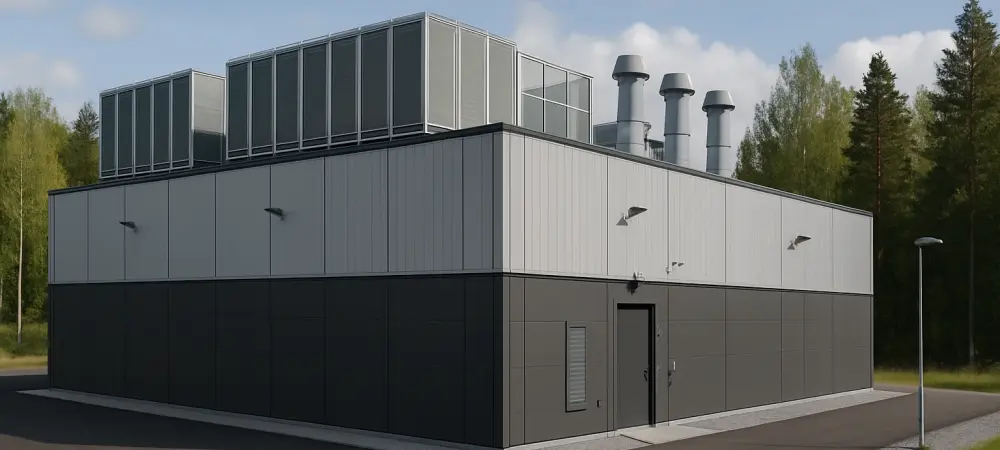
Picture a small Finnish town, barely a blip on the global map, suddenly thrust into the spotlight of cutting-edge technology with the potential to transform its future. Akaa, a quiet community in the Pirkanmaa region, is on the cusp of hosting a major data center project by Helsinki-based AI cloud company DataCrunch. With a €600,000 land deal already approved, this development promises not just servers and circuits, but a potential economic lifeline for a region hungry for growth. What could this mean for a town unaccustomed to such attention, and how might it reshape the broader landscape of Finland’s tech ambitions?
The significance of this story lies in its intersection of local impact and national strategy. Data centers are no longer just tech infrastructure; they are economic engines capable of transforming small towns like Akaa while aligning with Finland’s goals of sustainability and digital independence. As global demand for AI and cloud services surges, this project could position both the town and the country as key players in a rapidly evolving industry. This narrative explores the promise, the challenges, and the potential ripple effects of DataCrunch’s bold move.
A Small Town’s Bold Tech Leap
Nestled in southwest Finland, Akaa has long been a modest player in the Pirkanmaa region, overshadowed by larger urban centers. Yet, the recent approval of a 10-hectare land acquisition by DataCrunch in the Akaa Point business district signals a dramatic shift. This isn’t merely a real estate transaction; it’s a gateway to redefining the town’s identity in a tech-driven era.
Beyond the immediate buzz, the project carries significant implications for local livelihoods. With an estimated 100 new jobs on the horizon, the data center could provide a much-needed boost to employment in a field that promises long-term relevance. Additionally, the financial influx from building permit fees of €208,000 and an annual property tax of €550,000 offers a direct injection into municipal coffers, potentially funding public services or infrastructure upgrades.
The location itself adds a layer of strategic allure. Positioned near the Helsinki-Tampere motorway and adjacent to Ystie, the site ensures seamless connectivity and logistics—a critical factor for a data center’s success. This geographic advantage could draw further investment to Akaa, turning a once-quiet town into a budding hub of innovation.
Finland’s Data Center Edge
Finland has quietly emerged as a prime destination for data centers, leveraging its cool climate and abundant renewable energy resources. These natural advantages reduce cooling costs and align with global pushes for sustainable tech infrastructure. As a result, the country is becoming a magnet for companies seeking efficient and eco-friendly operations.
The broader trend ties into national priorities that extend beyond mere economics. With the European Union emphasizing AI self-sufficiency and green energy practices, Finland’s data center boom supports these goals while enhancing technological independence. For smaller towns like Akaa, hosting such facilities means tapping into a larger narrative of progress and resilience.
This isn’t just about one project; it’s a reflection of a growing industry. While Helsinki hosts major players like Verne and Equinix, emerging firms are eyeing expansions across the country. DataCrunch, already operating three facilities in Helsinki and one in Iceland with a Power Usage Effectiveness (PUE) of 1.2, exemplifies how Finland’s unique strengths are fueling a digital transformation with far-reaching potential.
Unpacking the Economic Ripple Effects
Diving into the specifics, DataCrunch’s investment in Akaa is poised to be a game-changer on multiple fronts. The immediate financial benefits are clear: the €600,000 land deal, coupled with significant permit fees and ongoing tax contributions, will bolster local budgets. These funds could be pivotal for improving schools, roads, or community programs in a town eager for development.
Job creation stands out as another critical impact. The projected 100 new positions—many in high-tech fields—offer not just employment but also opportunities for skill development. This could help retain talent in Akaa, preventing the brain drain often seen in smaller locales, while fostering a culture of innovation within the community.
Sustainability adds an intriguing dimension to the project. Plans to repurpose waste heat from the data center for local use align with Finland’s environmental ethos. Such initiatives could attract other eco-conscious businesses to the area, creating a virtuous cycle of green investment and positioning Akaa as a model for sustainable growth in the tech sector.
Voices Shaping the Vision
Local leadership is abuzz with optimism about what this data center could bring to Akaa. Mayor Antti Peltola has described the investment as transformative, highlighting its potential to enhance tax revenues and spur business opportunities. “The scale of this is substantial for our city, promising not only financial gains but also a brighter future for our residents through jobs,” he noted.
From the corporate side, DataCrunch CEO Ruben Bryon frames the project within a broader mission. “This aligns with the EU’s focus on AI self-sufficiency and sustainable energy practices, reflecting our commitment to both innovation and responsibility,” he stated. This perspective underscores how the Akaa initiative fits into a larger strategy of building resilient, future-ready tech ecosystems.
Industry trends lend further credibility to these ambitions. Finland’s data center market is gaining momentum, with established names and newcomers alike driving growth. Companies like Polarnode and Hyperco are planning expansions, signaling a competitive yet promising landscape. With DataCrunch’s recent $13 million seed funding and deployment of ##00 GPUs at another Finnish site, the company’s trajectory suggests it’s well-equipped to navigate this dynamic field.
Tackling Hurdles and Building Momentum
Despite the excitement, significant challenges loom on the horizon for the Akaa project. Finland’s grid operator, Fingrid, has imposed a temporary halt on connections for large-scale projects requiring 10MW or more until 2027 due to capacity constraints. This restriction has already derailed another data center plan in Akaa Point by Fincap DC Corp, raising concerns about similar delays for DataCrunch.
Strategic solutions are essential to keep the project on track. Leveraging their operational efficiency—evidenced by a PUE of 1.2 in existing facilities—DataCrunch could minimize grid strain through innovative energy management. Exploring temporary power alternatives or phased construction timelines might also offer a workaround to align with Fingrid’s schedule.
Community collaboration presents another pathway forward. By partnering with Akaa’s leadership to prioritize local hiring and training programs, DataCrunch can build goodwill and ensure tangible benefits for residents. Such engagement, combined with the company’s recent financial and technological milestones, could help sustain momentum even in the face of infrastructural bottlenecks.
Looking back, the journey of DataCrunch’s Akaa data center project unfolded as a testament to the power of strategic investment in small-town Finland. The initiative promised substantial economic gains, from job creation to enhanced municipal revenues, while aligning with national and regional goals of sustainability. Challenges like grid limitations tested the project’s resilience, yet innovative approaches and community partnerships offered hope for overcoming them. Moving forward, stakeholders could focus on advocating for grid capacity expansions and fostering similar tech-driven developments in other Finnish towns, ensuring that the legacy of Akaa’s transformation inspired broader economic and digital progress across the nation.