

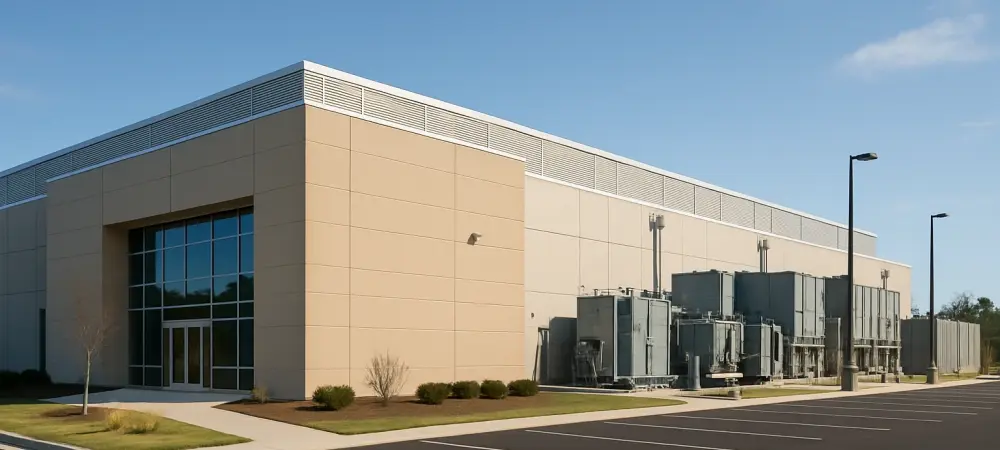
Setting the Stage for a Digital Dilemma
In the rapidly evolving landscape of digital infrastructure, Wake County, North Carolina, stands at a critical juncture with the proposed 250MW New Hill Digital Campus, a project that could reshape the regional tech market. Spanning an 89-acre site along Shearon Harris Road near Apex, this ambitious initiative by Natelli Investments LLC has sparked intense debate due to its power demands, equivalent to those of 10,000 homes, in a town of just 7,500 residents. This analysis delves into the market dynamics surrounding this proposal, examining how it fits into broader industry trends, its economic implications, and the challenges it poses to local infrastructure. The stakes are high, as this case could set a precedent for balancing technological growth with community sustainability in semi-rural hubs across the state.
Decoding the Data Center Market in North Carolina
Surge in Digital Infrastructure Investments
North Carolina has emerged as a powerhouse for data center development, particularly in areas like Charlotte, which has attracted billions in investments from tech giants. The state’s appeal lies in its competitive energy costs, strategic location, and access to robust power grids like that of Duke Energy, which serves the proposed site near the Harris Nuclear Plant. Over the next few years, from 2025 to 2027, industry projections suggest a continued influx of hyperscale facilities, driven by escalating demand for cloud computing and AI processing. This growth trajectory positions North Carolina as a key player in the national data center market, but it also amplifies the need for strategic planning to manage resource allocation.
Wake County as an Emerging Hotspot
While Charlotte dominates the state’s data center landscape, Wake County is gaining traction as an attractive alternative due to its proximity to major power sources and relatively undeveloped land. The New Hill project exemplifies this shift, targeting agricultural terrain for rezoning into industrial use. Market analysis indicates that semi-rural areas like this offer lower land costs and fewer zoning conflicts compared to urban centers, making them prime targets for developers. However, this trend introduces unique challenges, as local infrastructure often lacks the capacity to support such high-intensity operations without significant upgrades.
Community Resistance as a Market Risk Factor
A critical factor shaping this market is the strong opposition from local communities, particularly in Apex, where over 2,000 residents have signed petitions against the project. Fears center on skyrocketing energy costs and strained water systems, reflecting a broader market risk of social pushback against data center proliferation. This resistance could delay or derail projects, impacting investor confidence and timelines. Developers must navigate these social dynamics, as community sentiment increasingly influences local governance decisions on rezoning and annexation, creating a volatile variable in market expansion strategies.
Economic Promises Versus Infrastructure Challenges
Job Creation and Tech Ecosystem Growth
From an economic perspective, data centers like the one proposed by Natelli Investments LLC offer substantial benefits to regional markets. High-wage technology jobs and the potential to bolster the local tech ecosystem are key selling points, aligning with state-level goals to diversify economic bases beyond traditional sectors. Market forecasts suggest that each major data center can indirectly support ancillary industries, from IT services to construction, creating a ripple effect of economic activity. For Wake County, this could mean a significant boost in tax revenue and employment opportunities, provided the project moves forward.
Energy and Resource Strain as Cost Drivers
On the flip side, the immense power and water demands of a 250MW facility pose significant challenges to market stability. Analysts highlight that such projects could double local energy consumption, necessitating costly grid upgrades that often fall on ratepayers rather than developers. This cost distribution issue is a critical concern in market evaluations, as it risks alienating communities and prompting regulatory scrutiny. Without clear cost-sharing models, the financial burden on small towns like Apex could undermine the perceived benefits of data center investments, creating long-term market friction.
Balancing Regional Growth with Local Capacity
The tension between regional economic ambitions and local infrastructure capacity is a defining theme in this market analysis. While North Carolina aims to cement its status as a data center hub, disparities in readiness across counties complicate the landscape. Successful case studies in urban areas show that public-private partnerships can mitigate infrastructure strain, but semi-rural regions often lack such frameworks. Market observers stress the need for tailored policies that address these disparities, ensuring that growth in areas like Wake County does not come at the expense of community well-being or financial equity.
Future Projections for Data Center Expansion
Trends Toward Sustainability and Innovation
Looking ahead, the data center market in North Carolina is poised for transformation through sustainability initiatives. Emerging trends include the adoption of renewable energy sources to offset massive power consumption and advanced cooling technologies to reduce water usage. These innovations could alleviate community concerns if implemented in projects like the one near Apex. Industry projections indicate that developers integrating green practices may gain a competitive edge, as regulatory bodies and public opinion increasingly favor environmentally conscious operations.
Regulatory Shifts and Policy Implications
Another pivotal factor in market forecasts is the potential for state-level policy changes. There is growing momentum for regulations that ensure equitable cost distribution between developers and local consumers, addressing a key pain point in current projects. Such policies could reshape investment strategies, encouraging developers to prioritize community engagement and transparent planning. Market analysts anticipate that over the next few years, starting from 2025, these regulatory frameworks will play a crucial role in determining where and how data centers are built, particularly in less urbanized regions.
Hyperscale Focus on Semi-Rural Markets
Finally, the trend of hyperscale facilities targeting semi-rural areas is expected to intensify, driven by cost advantages and available land. Wake County’s experience with the New Hill proposal serves as a test case for this shift, highlighting both opportunities and obstacles. Market predictions suggest that successful integration in such areas will hinge on early stakeholder collaboration and infrastructure investment. If these elements align, semi-rural markets could become the next frontier for data center growth, reshaping regional economic landscapes in profound ways.
Reflecting on Market Insights and Strategic Pathways
Looking back, the analysis of the 250MW data center proposal in Wake County reveals a complex interplay of economic potential and community challenges that define the market dynamics. The resistance from Apex residents underscores a critical barrier to expansion, while the economic benefits touted by developers highlight untapped opportunities. For stakeholders, the path forward demands innovative solutions, such as adopting sustainable technologies to ease resource concerns and establishing clear cost-sharing agreements to build trust. Strategic partnerships between local governments and developers emerge as a vital step to ensure infrastructure upgrades do not burden consumers. Ultimately, the lessons from this case point toward a future where dialogue and proactive planning can harmonize technological advancement with local priorities, setting a model for other regions navigating similar market tensions.