

A New ErAustralia’s Digital Infrastructure
The relentless pursuit of artificial intelligence has moved beyond software development and into the physical realm of massive industrial complexes that consume vast quantities of electricity and water. While many global markets continue to prioritize speed over sustainability, Australia has implemented a groundbreaking national framework that fundamentally reshapes the relationship between technology giants and state interests. This transition marks a significant departure from a hands-off approach, replacing it with a model of strict federal oversight and strategic resource alignment. The government now views data centers not just as commercial assets, but as critical components of the national infrastructure that must contribute to the country’s stability. By establishing these high standards, the nation intends to prevent the AI surge from exhausting local utilities, ensuring instead that it acts as a driver for long-term domestic prosperity and environmental resilience.
Evolution: Data Infrastructure and Resource Management
To understand this pivot, one must consider the historical trajectory of digital infrastructure in the region, which was previously characterized by a largely unregulated, market-driven environment. For years, developers prioritized urban proximity and rapid construction to meet the growing demand for cloud services, often with little regard for the cumulative impact on the national grid. However, as the intensity of AI-driven workloads increased, the resulting strain on power supplies and cooling requirements became a matter of public concern. The previous industry shifts treated data centers as isolated hubs, but the current reality demands that they be integrated as interdependent parts of the social and ecological landscape. This realization necessitated a shift in policy, as the historical “unlimited growth” model became increasingly incompatible with modern energy transitions and the reality of resource scarcity.
The Strategy: Balancing Innovation with National Interests
The current framework seeks to harmonize the rapid advancement of technology with the long-term protection of the public good. It moves away from passive regulation and toward a proactive stance where the state defines the terms of engagement for any new hyperscale development. This strategy ensures that the private benefits of AI are balanced against the public cost of the infrastructure required to support it.
Strategic Integration into the Energy Grid
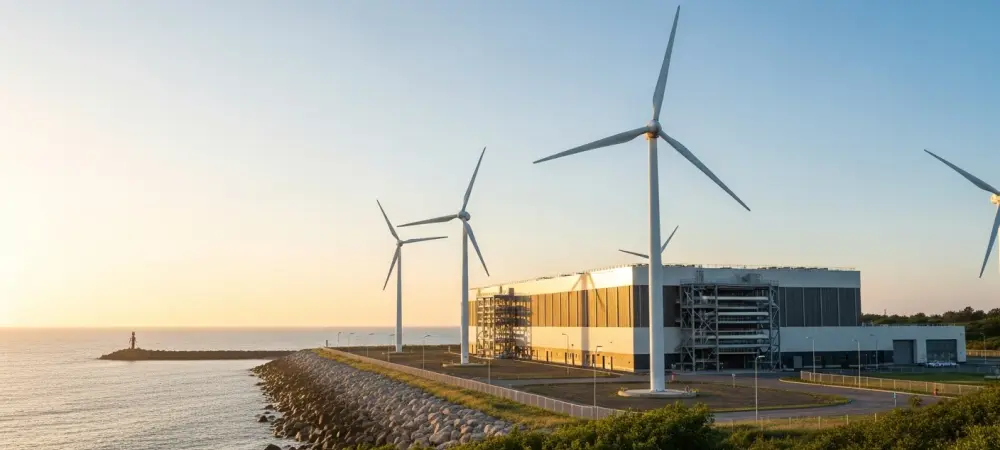
A primary pillar of this new framework involves the mandatory participation of hyperscale operators in the nation’s energy evolution. Under the current regulations, large-scale developers are no longer allowed to simply draw from the existing power supply without making significant contributions to its expansion. They are now required to invest in renewable energy generation and provide direct funding for grid enhancements to offset their massive consumption. This policy effectively shifts the financial burden of infrastructure upgrades from the average household to the industrial consumers who necessitate them. By making development permits contingent upon these green energy commitments, the government has fostered a symbiotic environment where the expansion of digital capacity directly subsidizes the transition to a carbon-neutral economy.
Administrative Leverage and Approval Processes
Beyond energy requirements, the government has adopted administrative timing as a strategic mechanism to influence industry behavior. Projects that demonstrate a high degree of alignment with national goals, such as those utilizing water-saving technologies or supporting local supply chains, receive priority in the approval process. Conversely, applications that fail to meet these rigorous standards are relegated to the back of the queue, facing significant delays that can jeopardize their market competitiveness. This approach provides a flexible alternative to traditional bans, allowing the state to encourage innovation through incentive rather than through heavy-handed prohibition. It forces developers to optimize their designs for efficiency, ensuring that only the most beneficial and sustainable projects move forward in a crowded marketplace.
Environmental Stewardship and Community Integration
The framework also addresses the critical issue of resource stewardship, particularly concerning water and land use. As modern AI processors generate unprecedented levels of heat, the demand for sophisticated cooling systems has threatened to deplete local water tables in several regions. Australia’s updated standards mandate the use of closed-loop systems and other alternative cooling methods that significantly reduce the environmental footprint of these facilities. Furthermore, the policy addresses the growing community concern regarding the “job-to-impact” ratio, where massive centers offer high revenue but minimal long-term employment. By requiring developers to prove a net positive impact on their host communities—addressing issues like noise pollution and traffic—the state ensures that these facilities function as responsible neighbors.
Future Perspectives: Global AI Infrastructure Trends
Looking ahead, several emerging patterns suggest that regulatory compliance will soon replace capital availability as the primary hurdle for global expansion. We are entering a period where the “best-aligned” advantage will likely supersede the “first-to-build” advantage, as nations prioritize grid stability and resource conservation over pure technological volume. Experts anticipate that the concept of “Sovereign AI” will gain further momentum, leading to stricter domestic regulations on where data is processed and who retains the economic benefits of compute power. This shift suggests a future where digital infrastructure is managed with the same level of scrutiny as national defense or energy security, necessitating a permanent shift in how tech corporations interact with sovereign governments.
Actionable Insights: Key Takeaways for Industry Stakeholders
The analysis of this strategic reorientation provides several vital lessons for stakeholders operating within the technology and infrastructure sectors. First, the integration of sustainable practices is no longer a luxury or a marketing tool; it has become a fundamental requirement for legal entry into key markets. Companies should focus their investments on self-sustaining energy solutions to avoid the risks associated with increasingly congested public grids. Second, a holistic approach to community engagement is essential for securing the social license needed to operate large-scale industrial sites. Finally, professionals must prepare for a more structured environment where national interests and data sovereignty are prioritized over short-term corporate gains. Aligning project objectives with these broader societal goals will be the most effective path to long-term success.
Conclusion: Securing a Sustainable Digital Future
In summary, the implementation of these standards represented a deliberate and necessary recalibration of how digital growth intersected with national responsibility. By prioritizing energy security and environmental protection, the nation ensured that its technological foundations were built on a sustainable and equitable basis. This shift remained significant because it forced a move away from extractive models of development toward a future defined by mutual benefit. Industry leaders recognized that the path forward required a deeper commitment to the resources and communities that made high-performance computing possible. Ultimately, the framework established a clear precedent for how a modern economy could embrace the potential of artificial intelligence without sacrificing its long-term stability or its environmental integrity.