

The Global Surge in Digital Infrastructure
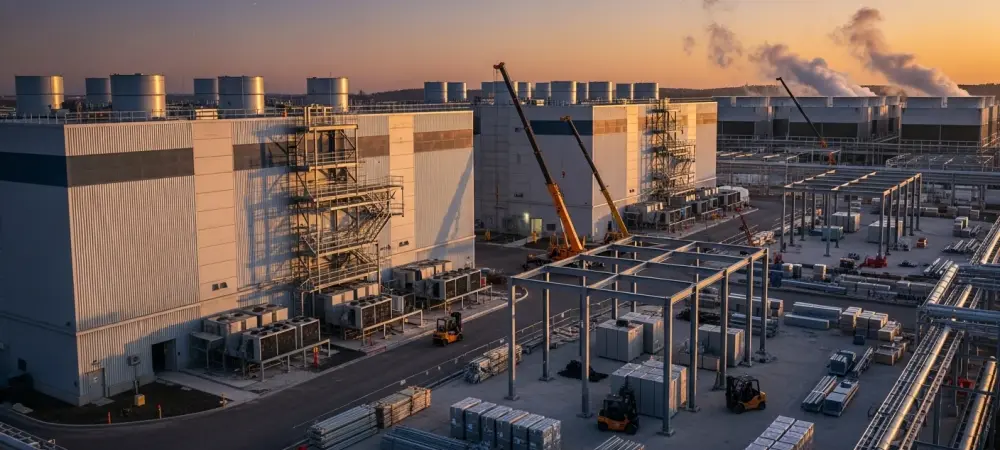
The transformation of quiet Midwestern landscapes into sprawling command centers for the global cloud economy marks a profound shift in the very fabric of American industrial identity. This pivot from manufacturing to digital infrastructure redefines regional economies as former factory sites become critical hyperscale nodes. Consequently, these locations now serve as the backbone for international data traffic and local economic revitalization.
Tracking the Momentum of Hyperscale Growth
Data-Driven Growth: Regional Hub Adoption
Investments are shifting toward regional hubs to meet the massive power demands of artificial intelligence. Multi-billion-dollar projects now target markets where land availability offers a competitive edge for long-term scalability. This trend reflects a fundamental change in how corporations value contiguous land parcels for future-proofing their digital capabilities.
Real-World Application: The Microsoft Expansion
Microsoft consolidated 400 acres in Michigan, repurposing former wood plants for high-tech use. By integrating various local parcels, the firm established a blueprint for transforming dormant industrial land into essential cloud hubs. This strategy highlights the “Digital Pivot,” where abandoned manufacturing centers are reborn as vital nodes in the global network.
Industry Perspective: Infrastructure and Community
Recent “No-NDA” policies signaled a new era of corporate transparency with local municipalities. This approach helps urban planners manage the complex transition from heavy industrial to digital operations more effectively. Experts view the region as a key alternative to traditional hubs due to its available power and supportive local governance.
The Future Landscape of Data Center Development
Campus expansion will continue as AI workloads demand unprecedented amounts of space and energy. While driving economic diversification, these projects face significant challenges like grid strain and rezoning hurdles. The “Michigan Model” currently sets a global standard for integrating massive tech infrastructure into established regional communities.
Conclusion: The New Frontier of the Cloud
Stakeholders prioritized energy resilience to ensure long-term campus viability. Communities refined zoning laws to balance rapid technological growth with local stability. Ultimately, digital progress relied on the successful repurposing of existing industrial foundations to meet future connectivity needs.