

The evolution of high-performance computing has reached a critical juncture where the traditional distinction between stationary desktops and portable workstations has virtually vanished. While mobility was once the primary metric for laptop success, current market trends favor raw, uncompromising power for enthusiasts and creative professionals alike. The ASUS ROG Strix SCAR 18 emerges as the quintessential example of this shift, functioning as a premier desktop replacement that leverages the most advanced hardware available in 2026. This machine is not merely a portable computer but a centralized hub for intensive computational tasks, high-fidelity gaming, and complex AI workflows. By integrating a massive 18-inch frame with top-tier components, the manufacturer has successfully bridged the gap between the flexibility of a notebook and the sheer horsepower of a full-sized tower. It represents a bold statement in a landscape where performance often dictates the terms of engagement for serious users.
Industrial Aesthetics: Structural Integrity and Visual Identity
The physical footprint of this device is undeniably imposing, signaling its status as a heavyweight contender in the gaming market with a total weight of approximately 8.15 lbs. This substantial mass is a deliberate design choice, allowing the internal components the space required to operate at peak efficiency without the constraints found in ultra-thin alternatives. The chassis itself is a masterclass in industrial design, featuring a robust build that feels both premium and durable enough to withstand the occasional relocation. While it is certainly not a device intended for casual use at a local coffee shop, its presence on a desk commands immediate attention. The architectural layout of the machine prioritizes thermal headroom and structural integrity, ensuring that the large 18-inch display remains stable during intensive use. This imposing physicality serves as a necessary foundation for the desktop-grade performance that lies beneath the surface of the translucent casing.
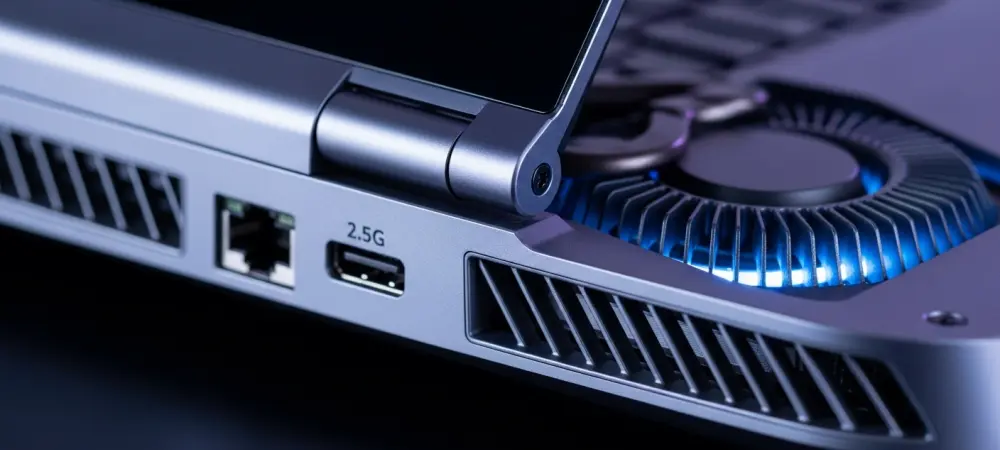
Visually, the machine leans heavily into the signature Republic of Gamers identity, utilizing extensive RGB lighting to create a 360-degree illumination effect that wraps around the entire base. This customizable lighting is complemented by a backlit chiclet-style keyboard that offers a responsive tactile experience, though the relatively shallow key travel might necessitate a learning curve for those transitioning from mechanical desktop boards. The large footprint of the 18-inch chassis provides a spacious wrist rest, which significantly enhances ergonomic comfort during extended sessions of high-stakes gaming or professional content creation. Beyond the lights, the industrial aesthetic is reinforced by a semi-translucent deck that offers a glimpse into the sophisticated hardware housing. Every design element, from the rear exhaust vents to the precise placement of the status LEDs, reflects a commitment to a specific enthusiast culture that values both form and function in equal measure.
Computational Might: Processing Power and Graphical Dominance
At the core of this technical marvel lies the Intel Core Ultra 9 processor 290HX Plus, a 24-core powerhouse specifically architected to handle the most rigorous multitasking scenarios. This silicon utilizes a sophisticated blend of performance and efficiency cores to manage background processes while dedicating maximum resources to demanding applications. With support for up to 128GB of high-speed DDR5 memory, the system remains incredibly responsive even when juggling multiple virtual machines or rendering high-resolution video projects. The integration of advanced AI-driven tools further enhances the processing capabilities, allowing for intelligent resource allocation that adapts to the specific needs of the software in use. This level of computational density ensures that the machine remains relevant for years to come, providing a future-proof foundation for emerging software technologies. It is a level of power that was once reserved for server-grade equipment, now miniaturized into a semi-portable form. Graphical performance is pushed to the absolute limit through the inclusion of the NVIDIA GeForce RTX 5090 Laptop GPU, which features 24GB of dedicated GDDR7 VRAM. This graphical unit is capable of a massive 175W maximum power draw, allowing it to render complex scenes with a level of fidelity that rivals high-end desktop configurations. The hardware is further bolstered by DLSS 4.5, an AI-powered upscaling technology that significantly boosts frame rates while maintaining pristine image quality in modern AAA titles. This combination allows for a seamless gaming experience even at native 4K resolutions, where every texture and shadow is rendered with stunning clarity. The transition to GDDR7 memory marks a significant leap in bandwidth, reducing latency and ensuring that data-heavy textures load instantaneously. For professionals working in 3D modeling or high-end game development, this GPU provides the necessary horsepower to visualize complex simulations in real-time, effectively eliminating the bottlenecks common in laptops.
Thermal Engineering: Cooling Solutions and Performance Outcomes
Maintaining peak performance in such a compact enclosure required a revolutionary approach to thermal management, which was addressed through an end-to-end vapor chamber. This cooling solution covered a significant portion of the internal motherboard, facilitating the rapid transfer of heat away from the CPU and GPU toward the massive exhaust vents. A unique “Tri-fan” system further augmented this process by introducing a third auxiliary fan that directed airflow specifically toward the power delivery components and the video memory. This configuration ensured that the hardware could sustain high clock speeds without thermal throttling, even during marathon gaming sessions or intensive rendering tasks. The liquid metal thermal compound used on the processor further enhanced heat conductivity, providing a significant edge over traditional thermal pastes. This sophisticated engineering allowed the system to manage heat with remarkable efficiency, exhausting hot air through the rear hinge to keep the keyboard area cool to the touch. The implementation of this hardware facilitated several actionable improvements for power users, primarily through the optimization of high-speed Thunderbolt 5 workflows. This connectivity standard allowed for 120Gbps of bandwidth, which enabled the seamless integration of external RAID arrays and multi-monitor configurations that were once the sole domain of desktop towers. By leveraging the low-latency 2.5G Ethernet and Wi-Fi 7 capabilities, users successfully reduced networking bottlenecks during data-heavy transfers. The device served as a catalyst for a more robust mobile workstation culture, proving that high-wattage components could be effectively managed without compromising reliability. As software developers continued to push the boundaries of AI and real-time rendering, the decision to invest in such high-overhead hardware provided a significant long-term advantage. It demonstrated that the future of mobile computing lay in the strategic balance of thermal efficiency and raw throughput, setting a clear trajectory for subsequent generations of elite portable machines.