

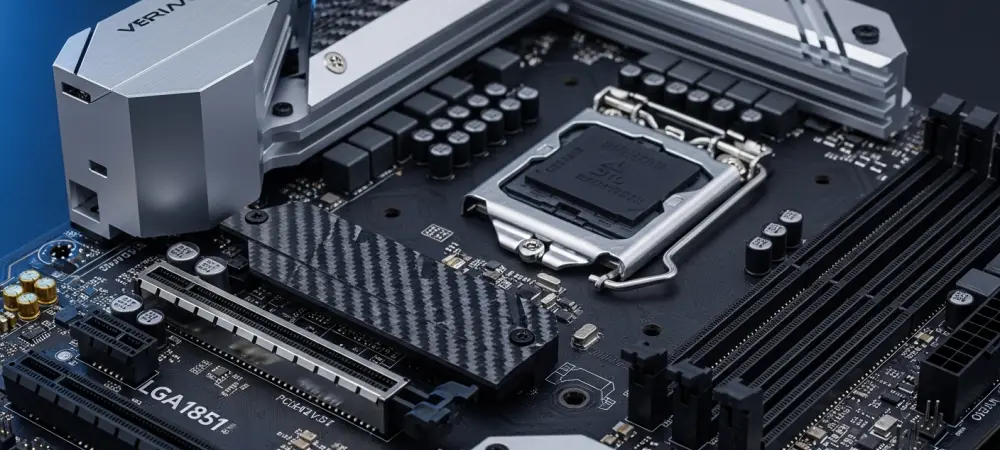
Choosing the right foundation for a modern computer system often feels like navigating a minefield of over-engineered components that carry inflated price tags for features most users will never actually utilize. The GIGABYTE Z890 AORUS ELITE WIFI7 PLUS arrives as a calculated response to this trend, specifically targeting builders who prioritize functional excellence and sustained reliability over aesthetic excess or niche extreme-overclocking capabilities. Designed around the LGA1851 socket, this motherboard provides a robust and technologically current platform for the Intel Core Ultra Series 2 processors, ensuring that users can leverage the full potential of high-bandwidth architectures. By focusing on the critical intersections of power delivery, thermal management, and modern connectivity, GIGABYTE has positioned this model as a strategic choice for those who demand high-tier performance without the enthusiast tax typically associated with flagship products. It represents a pivot toward practical engineering in an era where costs have outpaced benefits.
Reliable Power and Enhanced Memory Standards
Engineering Stability for Next-Gen Processors
The architecture of the Intel Core Ultra Series 2 demands a power delivery system that is both sophisticated and resilient, a requirement that GIGABYTE addresses with a 16+1+2 twin digital power phase design. Utilizing 60A DrMOS stages, the motherboard ensures a consistent and clean supply of electricity to the processor, which is vital for maintaining peak clock speeds during intensive computational tasks or extended gaming sessions. While this specific configuration may not cater to the niche segment of extreme overclockers utilizing liquid nitrogen, it provides an immense amount of headroom for standard professional workflows and high-performance gaming. The thermal efficiency of the Voltage Regulator Module is further bolstered by substantial heatsinks that dissipate heat effectively, preventing thermal throttling even under sustained workloads. This focus on electrical stability creates a reliable foundation, allowing the system to operate at its intended performance envelope without instability risks.
Future-Proofing Through High-Speed Memory Standards
Beyond raw power delivery, the motherboard anticipates the evolving landscape of high-speed memory and storage by offering support for DDR5 modules capable of reaching speeds up to 9466 MT/s. Achieving such frequencies requires meticulous trace routing and signal shielding to prevent interference, which indicates a high level of engineering precision within the Printed Circuit Board itself. This capability ensures that the platform remains viable as high-performance RAM kits become more prevalent in the market, allowing users to future-proof their builds without needing an immediate motherboard upgrade. Storage flexibility is equally prioritized, with four M.2 slots available for high-speed NVMe drives, including a primary slot that supports the PCIe 5.0 standard. Unlike many competing boards that force a compromise between GPU bandwidth and storage speed, this design manages PCIe lanes effectively to provide maximum throughput. This allows for nearly instantaneous data access for professionals.
Advanced Connectivity and User-Friendly Features
High-Bandwidth Networking and Modern Wireless Connectivity
Modern networking requirements have shifted significantly, and the inclusion of a 5 GbE LAN port marks a substantial upgrade over the previous 2.5 GbE standard that dominated the market for several years. This increased bandwidth is particularly beneficial for users operating within a local network environment, such as those accessing a Network Attached Storage device or transferring massive project files between workstations. For wireless connectivity, the integration of Wi-Fi 7 and Bluetooth 5.4 provides the latest standards in radio technology, offering lower latency and higher throughput even in congested signal environments. The inclusion of a dedicated EZ-Plug antenna connector simplifies the often-tedious process of screwing in wireless antennas, reflecting a thoughtful approach to physical hardware interaction. Furthermore, the inclusion of a high-speed USB4 Type-C port on the rear panel enables data transfer speeds of up to 40 Gbps, enabling the use of high-performance docking stations.
Simplifying System Assembly With User-Focused Design
The physical assembly of a high-end PC has historically been fraught with minor frustrations, but the GIGABYTE EZ-Latch mechanisms integrated into this motherboard aim to alleviate many of these common pain points. The primary PCIe slot features an enlarged and reinforced release latch, which is a critical addition given the increasing size and weight of modern graphics cards that often obscure traditional, smaller plastic tabs. This design allows builders to safely remove or swap large GPUs without the need for specialized tools or the risk of damaging the motherboard. Complementing this ease of use is a comprehensive thermal armor system that covers both the voltage regulator modules and the M.2 storage slots. These thick metal plates do more than just provide a clean aesthetic; they serve as vital heat sinks that pull heat away from sensitive components to maintain performance during long-term use. By integrating these user-friendly features, GIGABYTE has reduced technical barriers and physical risks for builders.
Practical Limitations and Final Value Analysis
Logical Hardware Trade-Offs for Cost Efficiency
Achieving a balance between premium features and a competitive price point inevitably requires some calculated trade-offs, particularly in areas that may not impact every user’s daily experience. The onboard audio system, for instance, utilizes a standard Realtek codec that provides reliable and clear sound for most general applications, yet it lacks the high-end DACs and capacitors found on more expensive enthusiast boards. For professional audio engineers or dedicated audiophiles, this likely means that an external sound card or a high-quality USB audio interface will be a necessary addition to the setup. Additionally, while the presence of a USB4 Type-C port is a significant advantage, the rear I/O panel features only one such port, which could be a limitation for users who have transitioned entirely to Type-C peripherals and external storage. While these choices help keep the overall cost within a reasonable range, they highlight areas where the board prioritizes core computing over luxury.
Strategic Hardware Planning: Next Steps for Builders
PC builders who transitioned to the Intel Core Ultra architecture found that selecting a motherboard required a careful look at real-world utility rather than just looking at a spec sheet of theoretical maximums. The decision-making process shifted toward identifying components that offered 5 GbE networking and PCIe 5.0 support as baseline requirements rather than premium upgrades. For those looking to optimize their next build, it was important to verify peripheral compatibility with the single USB4 port and consider if a dedicated audio solution was necessary for their specific creative workflow. Ultimately, moving forward with this type of mid-range board allowed for a larger portion of the budget to be allocated toward higher-tier processors or graphics cards, which yielded a more significant impact on overall system performance. Evaluating the total cost of ownership involved looking at the longevity of the LGA1851 socket and ensuring that memory support would accommodate future DDR5 speed increments.