

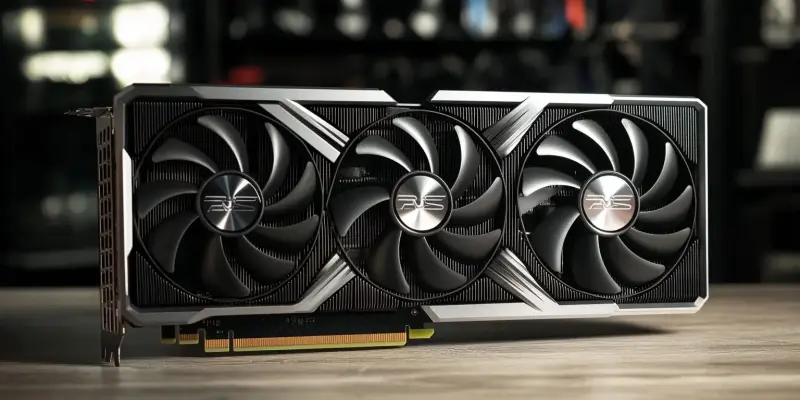
Asus introduced the Q-Release Slim feature in August 2024 at Gamescom, aiming to simplify the removal of GPUs from 800-series AMD and Intel motherboards. Despite its original intent to enhance user convenience, this feature has led to concerns among users, particularly regarding potential damage to expensive graphics cards like the RTX 5090. This problem surfaces as a glaring issue, with users and reviewers reporting damage linked directly to the feature’s design.
Challenges with the Q-Release Slim Feature
Design Flaws Leading to GPU Damage
The key problem with the Q-Release Slim feature lies in the peg side of the PCIe slot on the motherboard, which includes a metallic piece that scrapes against the GPU connector. Frequent ejection and reinsertion of the GPU intensify the wear and tear, causing notable damage over time. This issue is particularly pressing for individuals such as reviewers and overclockers who routinely swap out GPUs, exposing their high-end graphics cards to unnecessary risk. Observations and photographs shared by tech experts HXL and Andreas Schilling from HardwareLuxx, and further reported on by Tom’s Hardware and Uniko’s Hardware, highlighted the severity of the damage. Their reports provide visual proof and underline the significant negative impact of using the Q-Release Slim feature.
The peg design presents a fundamental flaw, one that Asus must address to prevent ongoing damage. For users, the potential cost of such damage could be substantial, especially for those using high-priced graphics cards like the RTX 5090. This situation not only creates financial concerns but also erodes trust in Asus’s product lines. The necessity for an updated design is paramount to restore this trust and ensure the physical integrity of GPUs during regular use.
User and Market Reactions
The reception from the community has been mixed to negative, with numerous users voicing their dissatisfaction across various forums and social media platforms. Concerns over long-term damage and the potential for costly repairs or replacements have led to heightened scrutiny of Asus’s commitment to quality control. These reactions are understandable given the significant investment involved in high-end GPU setups. The issue has gained further traction as prominent reviewers and tech enthusiasts have shared their firsthand experiences and concerns, amplifying the impact of these reports.
Asus’s handling of this criticism will be crucial in mitigating further damage to its reputation. The company has acknowledged the issue, stating that they are actively gathering information and coordinating internally to address the problem. This acknowledgment indicates a proactive approach, although the effectiveness of their response will ultimately determine user satisfaction. Clarity and transparency in communicating the solution will play a critical role in rebuilding consumer confidence and ensuring continued support for their products.
Security Issues in Asus Motherboards
Vulnerability in Microcode Signature Verification
In addition to the physical damage concerns with the Q-Release Slim feature, Asus is confronting another significant issue. A recent discovery by security researcher Tavis Ormandy revealed a “microcode signature verification vulnerability” affecting Asus gaming motherboards. This vulnerability, stemming from a premature disclosure of a major upcoming CPU issue tied to AMD’s microcode signature verification, poses serious security risks. The vulnerability, confirmed by AMD, allows a potential exploit requiring local administrator-level access and the development and execution of malicious microcode.
The implications of such a vulnerability are grave, considering the potential for unauthorized access and compromised system integrity. While AMD has clarified that exploiting this flaw necessitates specific conditions, the very existence of such a vulnerability underscores critical gaps in current motherboard security. Users relying on Asus gaming motherboards now face another layer of risk, exacerbating the overall concern regarding the company’s product reliability. This discovery demands immediate attention and resolution to prevent further insecurity.
Asus’s Response and User Trust
Asus has responded to the security vulnerability with a commitment to address and rectify the issue. Patch notes for a BETA BIOS fix have already been released, indicating steps towards remediation. However, the adequacy of these measures will be judged by the speed and comprehensiveness of the fix. Asus’s responsiveness and the effectiveness of their communications regarding this issue will be vital in maintaining or restoring user trust. The company’s ability to reassure users that their data and systems are secure remains paramount against the backdrop of these vulnerabilities.
The simultaneous challenges of addressing both GPU damage and motherboard vulnerabilities present a formidable task for Asus. The forthcoming release of RTX 5000-series and new processors further amplifies the stakes, as failing to resolve these issues promptly could undermine the reception and trust in these new products. Balancing swift technical fixes with effective communication strategies will be key to navigating this crisis. User trust hinges on how convincingly Asus can demonstrate their commitment to resolving these issues and ensuring their products’ integrity going forward.
Impact of Issues on Asus’s Future
Importance of Addressing Hardware and Security Issues
The Q-Release Slim hardware issue and the security vulnerability in Asus’s motherboards represent significant challenges that could impact the company’s future trajectory. These issues have surfaced at a critical time when new product releases, such as the RTX 5000-series, are expected to strengthen Asus’s market position. Therefore, the company must address these concerns comprehensively. Ensuring the robustness and reliability of their products will be crucial in retaining customer loyalty and confidence. By mitigating these issues, Asus can secure its foothold as a trustworthy and innovative leader in the technology industry.
What Lies Ahead for Asus
In August 2024, during Gamescom, Asus launched the Q-Release Slim feature with the goal of simplifying GPU removal from their 800-series AMD and Intel motherboards. This innovation was designed to aid users by making it easier and more convenient to detach their graphics cards. However, despite its good intentions, the feature has caused unexpected issues. Users have raised concerns about potential harm to pricey graphics cards, such as the RTX 5090. Reports from both users and reviewers highlight direct damage to these graphics cards due to the design of the Q-Release Slim feature, turning what was supposed to be a convenience into a problematic feature. This unforeseen flaw has disappointed many users who initially welcomed the promise of an easier GPU removal process. Asus now faces the challenge of addressing these user concerns and modifying the Q-Release Slim feature to prevent future damage to valuable hardware. This task is crucial for maintaining customer trust and satisfaction.