

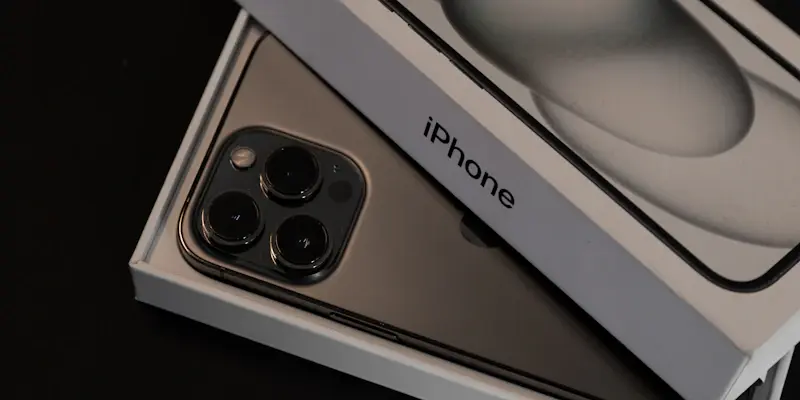
Apple is set to release the new iPhone 17 Air, which promises to be one of the thinnest smartphones on the market, with a rumored thickness of just 5.5mm to 6mm. This ultra-thin design is a testament to Apple’s commitment to creating sleek, modern devices, but this aesthetic choice comes at a significant cost. The new design sacrifices several key features that consumers have come to expect from premium smartphones, and these compromises are likely to impact the user experience in notable ways.
Compromised Camera Capabilities
One of the most notable changes in the iPhone 17 Air is its camera setup. Unlike previous models, which boasted multiple rear cameras, the iPhone 17 Air will feature only a single rear camera. Apple has always been known for its high-quality camera technology, and this move to a single camera represents a significant shift. By eliminating multiple lenses, users will lose the benefits of ultra-wide and zoom options, which have become standard in recent iPhone models. This change will particularly affect users who enjoy diverse photography capabilities and rely on their devices for capturing a variety of shots.
The reduction to a single rear camera is a clear signal that Apple is prioritizing the device’s slim profile over the versatility of its photography features. While some users may not notice a significant difference, those who use their iPhones for creative or professional photography will likely find this limitation frustrating. The decision to streamline the camera system may keep the device thin and stylish, but it undeniably compromises the flexible use that many loyal Apple users have come to love and expect.
Impact on Sound Quality
Another area where the iPhone 17 Air sees a notable downgrade is in its audio system. The new model is expected to reduce the number of speakers from two to one, effectively removing stereo sound. This change is anticipated to have a substantial impact on audio quality. With only one speaker, the sound may be less rich and clear, which will affect users who frequently consume media, such as movies, music, or games, on their devices without the aid of headphones.
The elimination of stereo sound will be a particular drawback for those who value high-quality audio performance. For many users, the dual-speaker setup has been a crucial part of their multimedia experience, providing immersive and dynamic sound. Reducing the number of speakers aligns with the overall goal of making the iPhone 17 Air thinner, but it also means sacrificing an element that enhances the enjoyment of various forms of media. Users who prefer or need to use their phone’s built-in speakers might find this change disappointing, as it significantly diminishes the audio capabilities of the device.
Challenges with eSIM Adoption
To achieve such a thin design, Apple had to make compromises that could affect the user experience for loyal customers. These trade-offs include the potential removal or downgrading of certain features that users have come to appreciate in premium smartphones, such as battery life, camera quality, and even possibly the headphone jack. The move to an ultra-thin iPhone aims to set a new standard in the industry, but it remains to be seen how consumers will respond to these changes. Some might laud the innovation, while others could miss the functionalities that have been sacrificed for the sake of an aggressively slim design.