

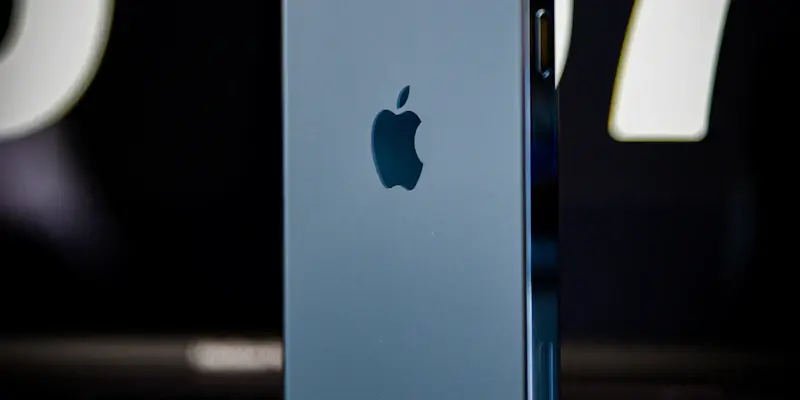
As September looms ever nearer, the tech community buzzes with anticipation for Apple’s next big release, the iPhone 17. Fans and analysts alike are speculating on what the latest iteration of one of the most popular smartphones will bring to the table. Apple has been known for its ability to innovate and set the trend for smartphone technology. Expectations are sky-high, and although nothing has been officially confirmed, the rumors circulating offer enticing possibilities for what the iPhone 17 might include.
Potential Design Enhancements
Sleeker Build and Titanium Frame
The design of the iPhone has always been a critical selling point, and the iPhone 17 is rumored to take this aspect to the next level. Enthusiasts are expecting a sleeker, thinner, and lighter build compared to its predecessors. This would be achieved without sacrificing durability, thanks to the potential implementation of a titanium frame, similar to what was introduced with the iPhone 15 Pro. This material offers both robustness and a premium look, elevating the device’s overall appeal. Moreover, there is speculation about more sophisticated color options being added to the lineup, although official confirmations are still pending.
Equally exciting are the whispers about a shift in camera design. Instead of the current notch, a punch-hole camera or even an under-display Face ID might be on the horizon. This would not only modernize the phone’s appearance but also maximize screen real estate, providing a more immersive user experience. These design changes are expected to maintain Apple’s iconic look while integrating futuristic elements, keeping the iPhone relevant in an ever-competitive market. These potential enhancements in the design perfectly illustrate Apple’s continued focus on aesthetics and functionality, striving to offer a device that is both beautiful and reliable.
Display and Refresh Rate Improvements
On the display front, iPhone 17 rumors indicate some significant upgrades. One of the most talked-about features is the possibility of a universal 120Hz refresh rate across all iPhone 17 models, powered by Apple’s ProMotion technology. Currently reserved for the Pro series, extending this feature could mean smoother scrolling, a more responsive touch experience, and an overall better performance for gaming and video playback. The ProMotion technology’s expansion underscores Apple’s commitment to providing top-notch visual experiences across its entire iPhone lineup.
Additionally, there are also discussions about a brighter display that would considerably improve visibility in outdoor settings. With a better contrast ratio and vivid color reproduction, the enhanced display would make activities like reading, photo editing, and video watching much more pleasurable. These improvements in display and refresh rate are not just about aesthetic enhancements but are also crucial for usability, elevating the day-to-day experience of using the iPhone 17. They illustrate Apple’s continuous pursuit of technical excellence and how such advancements can contribute to setting new industry standards.
Expected Technology Upgrades
Advanced Camera Systems
As smartphone photography continues to grow in importance for consumers, the expectation is that the iPhone 17 will bring noteworthy advancements in its camera systems. One of the most promising rumors is the introduction of a periscope zoom lens capable of offering up to 10x optical zoom. This would be a substantial upgrade from the current 5x optical zoom available in the iPhone 15 Pro Max. The result would be sharper and more detailed images, particularly for distant subjects. This enhancement might position the iPhone 17 as a top choice for photography enthusiasts.
Another anticipated feature is the improvement in low-light photography through enhanced AI-powered image processing. Along with refinement in photo quality, reports suggest the possible inclusion of a 48MP ultra-wide sensor, which would offer even sharper and more vibrant images. These camera upgrades aim to set new benchmarks in smartphone photography, ensuring that even non-professional photographers can capture breathtaking shots with ease. The speculative features not only highlight significant leaps in technology but also address consumer desires for high-quality image capturing capabilities in various conditions.
iOS 19 and New Interaction Methods
As September approaches, excitement builds within the tech community for Apple’s much-anticipated release of the iPhone 17. Fans, industry insiders, and analysts are eagerly discussing and speculating about what features and innovations this new model will bring. Apple has a well-earned reputation for driving smartphone technology forward, often setting new trends that others follow. This history of innovation sets the stage for high expectations from the latest offering. Though Apple has not officially disclosed any details, the rumors swirling around hint at some enticing possibilities. There is talk of advanced camera technology that could revolutionize mobile photography, an even faster processor to improve performance, and perhaps a new design that might set it apart from previous models. Additionally, there is speculation about software enhancements that could offer users a more seamless and intuitive experience. As anticipation reaches a fever pitch, the tech world waits with bated breath for Apple’s official announcement, curious to see how the iPhone 17 will surprise and impress consumers.